

AMD FSR 5 and Sony PSSR 3 Could Surpass DLSS 4.5 in Visual Quality
Next generation AI upscaling technologies introduce neural rendering, frame generation, and ray reconstruction for significantly improved visual fidelity.
Hardware by Katmin on Apr 04, 2026
AMD has officially announced further information about FSR Diamond, which is also known as FSR 5. Online rumors say that both it and PSSR 3, which will come out with Sony's PlayStation 6, will have better graphics than NVIDIA's DLSS 4.5. This is a big step forward for AI-powered rendering technology.
Under Project Helix, AMD has confirmed important details about FSR Diamond. At the same time, work with Sony on Project Amethyst is still shaping the future generation of visual technologies.

Some functions are available on all platforms, others are only available on Sony for system-level optimization. This method makes sure that there is both flexibility and a way to stand out from the competition.
The core highlights include next-generation neural rendering, ML-based upscaling, multi-frame generation, and advanced ray regeneration for both ray tracing and path tracing. These features aim to improve not just performance but also image stability, clarity, and lighting accuracy.
PSSR 3 and PlayStation 6 Performance Potential
According to Kepler L2, FSR and PSSR 3 are expected to deliver better image quality than DLSS 4.5. This is particularly important for the PlayStation 6 handheld, where efficiency and visual output must be carefully balanced.
The PlayStation 6 handheld is rumored to be slightly more powerful than the Xbox Series S in pure rasterization performance. However, the real advantage comes from advanced rendering technologies. With PSSR 3, improved ray tracing, and AI-driven enhancements, the handheld could deliver results beyond raw hardware performance.
In contrast, the Switch 2 is not expected to compete at the same level. It relies on DLSS 2 with CNN-based upscaling, which is less advanced than DLSS 4.5. Combined with weaker hardware, this puts it at a disadvantage in both visual quality and performance.
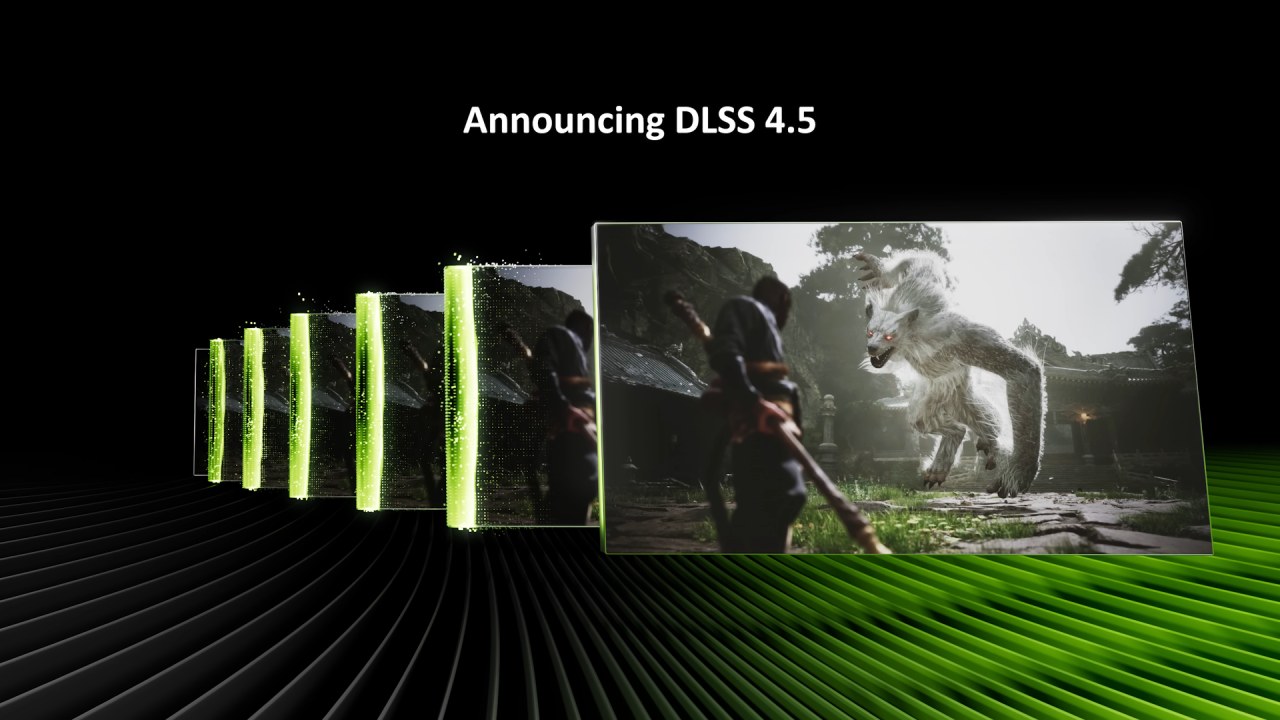
RDNA 5 Exclusivity and Industry Direction
There are strong rumors that FSR 5 may be exclusive to RDNA 5-based GPUs. This is likely due to the inclusion of enhanced machine-learning hardware, which enables more advanced AI features. While there is hope for backporting support to older GPUs, this remains uncertain.
The industry as a whole is clearly moving toward neural rendering. AMD, Sony, and Microsoft have all indicated that AI-driven techniques will play a central role in future graphics pipelines. Traditional rendering methods are expected to coexist for some time, but the shift toward machine learning is becoming increasingly evident.
This transition will not happen overnight. Game engines, hardware adoption, and development cycles will influence the pace of change. However, the direction is clear, and the next generation of GPUs and consoles will heavily emphasize AI-based rendering.
DLSS Evolution and Competitive Outlook
It will be important for NVIDIA to respond in a way that keeps things balanced in this area. There have been early previews of DLSS 5, but they don't show how well it will work in the end. NVIDIA has always been the best at AI upscaling, and further advancements are on the way.
In the end, the competition between FSR 5, PSSR 3, and DLSS will be good for users. Each technology aims to push visual quality, performance, and efficiency to new levels. As these solutions evolve, the gap between native rendering and upscaled output continues to shrink.
The next few years will define the future of real-time graphics. With rapid advancements in AI and rendering techniques, the industry is entering a phase in which software innovation plays an equally important role as hardware capabilities.
Also, check our other hardware articles:
- AMD Ryzen 9 9950X3D Review: Setting The Standard For 2025 Gaming CPU
- Amazon Luna 2025 Review: Is Prime Gaming's Cloud Service Your Go-To For Casual Fun?
- AMD RX 9070 XT Review: AMD's RDNA 4 Champion for 1440p Gaming
- GeForce Now Ultimate: Ditching Your Gaming PC For Cloud RTX 4080 Power?
- NVIDIA GeForce RTX 5080 Review (2025): Still A 4K Gaming Powerhouse?
- Intel Core Ultra 9 285K Review And Performance Breakdown (2025)
- AMD Ryzen 7 9800X3D Review: 3D V-Cache Goes God Mode with Stunning Gaming Performance
- Intel Core Ultra 9 285K vs AMD Ryzen 7 9800X3D: In-Depth Gaming Performance and Benchmark Comparison
- NVIDIA GeForce RTX 5080 Super Performance In Cyberpunk 2077: Path Tracing & DLSS 4.0 Tested
- AMD Radeon RX 9070 XT In Cyberpunk 2077: Ray Tracing & FSR 4.0 Tested
- Intel Arc B580 Review: The $250 GPU Revolutionizing 1440p Gaming
- Intel Arc B570 Vs. B580: Value, Specs, And Real-World Gaming Performance
- RTX 5090 Laptop Vs. M4 Max MacBook Pro: Ultimate Raw Performance Vs. Battery Endurance
- Intel Arc b580 Vs. RTX 4060: Game Performance And Value Analysis
- RTX5090 Hell Is Us Demo 4K Ultra Benchmark: DLSS Vs. Native Performance Guide
- NVIDIA RTX 5070 Review: Mid-Range Muscle or Marketing Hype?
- Nintendo Switch 2 Review: Handheld Performance, Features & Value Breakdown
- RTX 5070 Ti Review: Performance, Thermals & Power Efficiency Tested
- Samsung Odyssey OLED G81SF Review 2025: Ultimate 32-Inch QD-OLED Gaming Monitor
- AMD RX 9070 Performance Review: Thermals, Clocks, and Real-World FPS
- AMD Ryzen 5 7600 Review: Best Budget Gaming CPU of 2025?
- AMD Radeon RX 7800 XT Review: RDNA 3 Power For Midrange Gaming
- Asus ROG RTX 5090 Astral OC Vs. Founders Edition: The 4K Gaming Benchmark
Senior Editor, NoobFeed
Latest Articles
No Data.