
Apple Vision Pro vs. Meta Quest 3: Full VR Experience Comparison
Final verdict on whether the Vision Pro is worth the premium cost versus the more practical Quest 3.
Hardware by Tanisha Aria on Dec 02, 2025
There was a lot of energy around the launch of the Vision Pro, and it was seen as a major step toward mixed-reality computing. But just a few months after it came out, the excitement seemed to fade.
Even though VR headsets are becoming more popular and the market is changing quickly, it's still not clear whether the Vision Pro's high-end hardware and one-of-a-kind interaction system are worth the much higher price compared to more common choices.
.jpg)
The next list breaks down the experience into usability, comfort, entertainment value, gaming ability, and productivity to see how it holds up after all the original excitement.
First Impressions
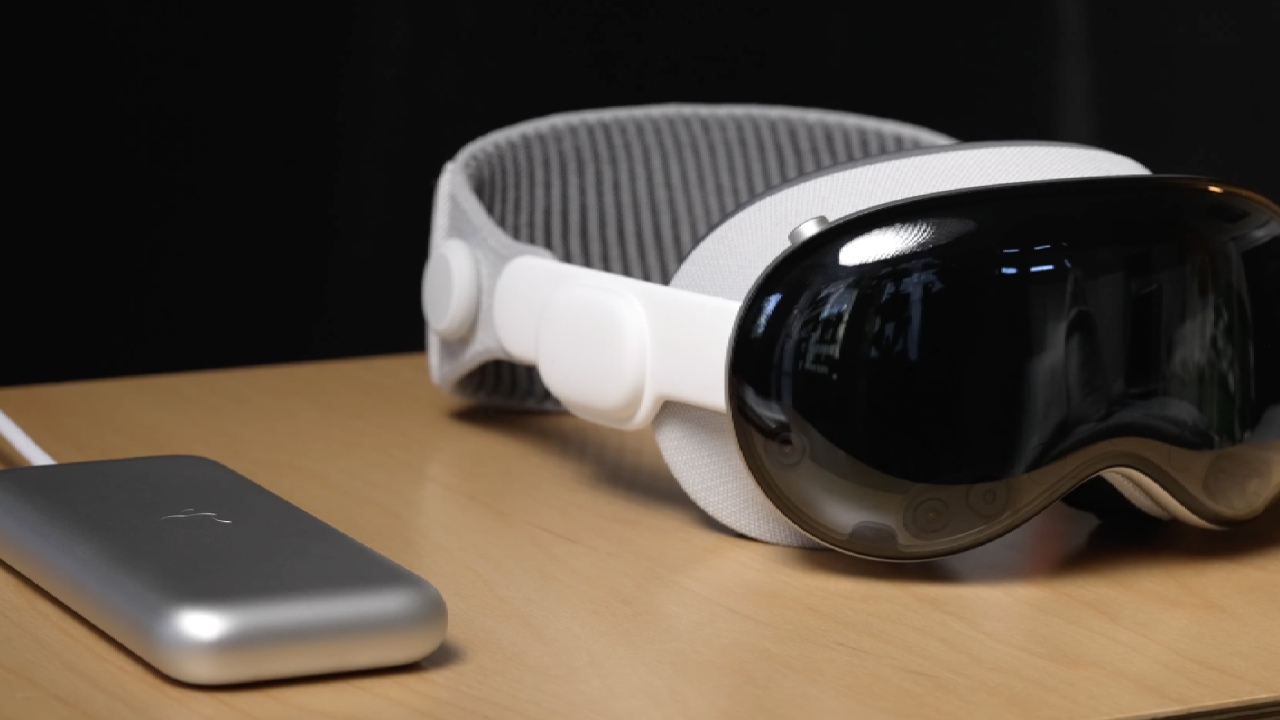
A big change right away is the field of view. The Vision Pro has an angle of about 90°, while the Quest 3 has an angle of about 106°. We noticed this difference right away, but it wasn't too distracting because most of the time, people talk to each other straight in front of them, not around the edges.
It can be seen when the view is wide, but not so much that it gets in the way of general use. Also, the Vision Pro doesn't work directly with glasses; it needs optical inserts instead. The original Zeiss prescription lenses cost an extra $100.
These plugs are needed, and it may take more than one try to order them before a prescription is accepted. Some users who have strong medications or prism needs might not be able to use it, which is another barrier to accessibility.
Learning Curve and Hand Tracking
It was easier to learn how to use the headset than we thought it would be once we got it on. Apple's onboarding lessons are easy to understand, and we were able to use eye-tracking and hand-tracking interactions right away.
It quickly became second nature to move around your surroundings and choose things by rolling your eyes and making small gestures. We gave it to family members who aren't very tech-savvy to test its usefulness even more. They were able to move around and connect with things easily with little help.
Their responses showed how natural the controls feel, especially the reach-and-look way of interaction. In some cases, physical controllers are still better. Still, the Vision Pro's gesture system makes the first experience easy to understand and very well done.
Entertainment and Media Immersion
One of the best things about the Vision Pro is that it can entertain you. The headset delivers a great movie-theater experience with clear graphics and unique settings. Streaming services like Apple TV, Disney+, HBO Max, and others have well-made apps that work well with their services.
That being said, the Quest 3 relies more on websites and third-party apps that aren't as well-made. It's very easy to find and watch videos on the Vision Pro, and the screens we can make look huge, sometimes bigger than what we see in a home theater.
It works surprisingly well even when watching content in Safari, and the clarity of blown-up content in different settings makes the experience much more immersive.
Gaming and the Need for Controllers
The Vision Pro's graphics are better than the Quest 3's because its hardware is more powerful. There are fewer pixels, and the anti-aliasing is smoother. However, images alone don't make a game what it is.
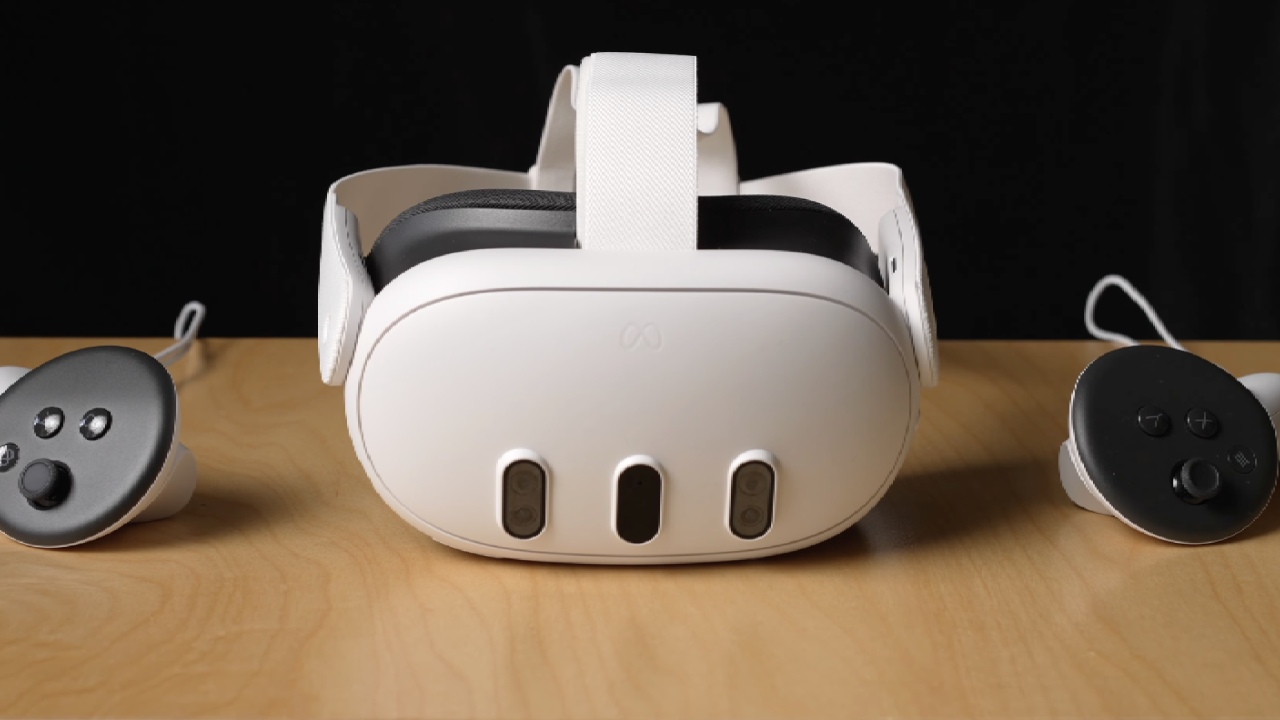
We missed physical controls right away. With the Quest 3, motion controllers add immersion and tactile input, making games with tools, weapons, paddles, or sports much better.
It's hard to play many Vision Pro games without these. It's harder to do simple things, especially when you're moving around on trains or planes, and famous games like Walkabout Mini Golf aren't available because they depend on motion controls a lot.
When you play with a paired Xbox controller, it helps, but the lack of motion support makes the experience less immersive. The Quest 3 is still the better choice for most games.
Productivity and Mac Integration
One of the main reasons we wanted to try the Vision Pro was to see how productive it would be, especially for writing and editing longer video projects. This is one place where the device works very well.
It's easy to connect to a MacBook—all you have to do is look at the laptop and click once. Your screen will then appear on the headset.
VisionOS 2 will support ultrawide monitors, a feature many people have asked for. Through the Immersed app, the Quest 3 can handle multiple displays, but we often experience slowdowns or disconnections. The Vision Pro doesn't feel like an extra feature; it feels like a real part of the Mac.
One big problem is that when the Mac is linked, audio doesn't pass through. We have to use either the speakers that come with the MacBook or Bluetooth headphones like the AirPods Pro 2. It's not a big deal, but it makes the experience a little less smooth.
Besides that, Apple's platform integration really shines. iMessage syncs right away, AirPlay and AirDrop work without a hitch, and Apple Photos shows up right away.
Videos shot in space on an iPhone can be played back in full depth, and Safari searches can be carried over from one device to another. It's very easy to pick up where we left off thanks to these tools.
.jpg)
Final Thoughts: Should You Buy the Vision Pro?
The Vision Pro is amazing, immersive, and very well made, but it's also very specific. Many users say that after a few weeks, the magic wears off and the number of days they use it each day drops. For those of us who already have the Quest 3, which has many of the same features but costs a lot less, the Vision Pro's higher price is hard to understand.
It's great for entertainment and work, but it's not great for gaming, comfort, or accessibility. Because of this, it's more of a specialized device than a general suggestion. If the price goes down to around $1,000 and the headset gets lighter, more people are likely to buy it. Adding motion controllers would also make games a lot better.
For now, the Quest 3 is still the better choice for most people. The Vision Pro, on the other hand, is a beautiful but pricey glimpse of what mixed reality could look like in the future.
Also, check our other hardware articles:
- AMD Ryzen 9 9950X3D Review: Setting The Standard For 2025 Gaming CPU
- Amazon Luna 2025 Review: Is Prime Gaming's Cloud Service Your Go-To For Casual Fun?
- AMD RX 9070 XT Review: AMD's RDNA 4 Champion for 1440p Gaming
- GeForce Now Ultimate: Ditching Your Gaming PC For Cloud RTX 4080 Power?
- NVIDIA GeForce RTX 5080 Review (2025): Still A 4K Gaming Powerhouse?
- Intel Core Ultra 9 285K Review And Performance Breakdown (2025)
- AMD Ryzen 7 9800X3D Review: 3D V-Cache Goes God Mode with Stunning Gaming Performance
- Intel Core Ultra 9 285K vs AMD Ryzen 7 9800X3D: In-Depth Gaming Performance and Benchmark Comparison
- NVIDIA GeForce RTX 5080 Super Performance In Cyberpunk 2077: Path Tracing & DLSS 4.0 Tested
- AMD Radeon RX 9070 XT In Cyberpunk 2077: Ray Tracing & FSR 4.0 Tested
- Intel Arc B580 Review: The $250 GPU Revolutionizing 1440p Gaming
- Intel Arc B570 Vs. B580: Value, Specs, And Real-World Gaming Performance
- RTX 5090 Laptop Vs. M4 Max MacBook Pro: Ultimate Raw Performance Vs. Battery Endurance
- Intel Arc b580 Vs. RTX 4060: Game Performance And Value Analysis
- RTX5090 Hell Is Us Demo 4K Ultra Benchmark: DLSS Vs. Native Performance Guide
- NVIDIA RTX 5070 Review: Mid-Range Muscle or Marketing Hype?
- Nintendo Switch 2 Review: Handheld Performance, Features & Value Breakdown
- RTX 5070 Ti Review: Performance, Thermals & Power Efficiency Tested
- Samsung Odyssey OLED G81SF Review 2025: Ultimate 32-Inch QD-OLED Gaming Monitor
- AMD RX 9070 Performance Review: Thermals, Clocks, and Real-World FPS
- AMD Ryzen 5 7600 Review: Best Budget Gaming CPU of 2025?
- AMD Radeon RX 7800 XT Review: RDNA 3 Power For Midrange Gaming
- Asus ROG RTX 5090 Astral OC Vs. Founders Edition: The 4K Gaming Benchmark
Contributor, NoobFeed
Gaming Hardware Updates
No Data.