
Is PlayStation Pulling Back From PC? Sony’s Reported Strategy Shift Explained
Recent leaks suggest Sony may reduce singleplayer PC ports and refocus on strengthening PlayStation hardware exclusivity.
Hardware by Tanisha Aria on Mar 02, 2026
A shocking leak suggests PlayStation may be changing its PC approach. Many important sources, including Digital Foundry and writer Jason Schreier, say Sony might be leaving the PC single-player game business.
If this is true, it would be a big change from the past few years, when PlayStation tried bringing its biggest first-party games to PC through Steam and other services.
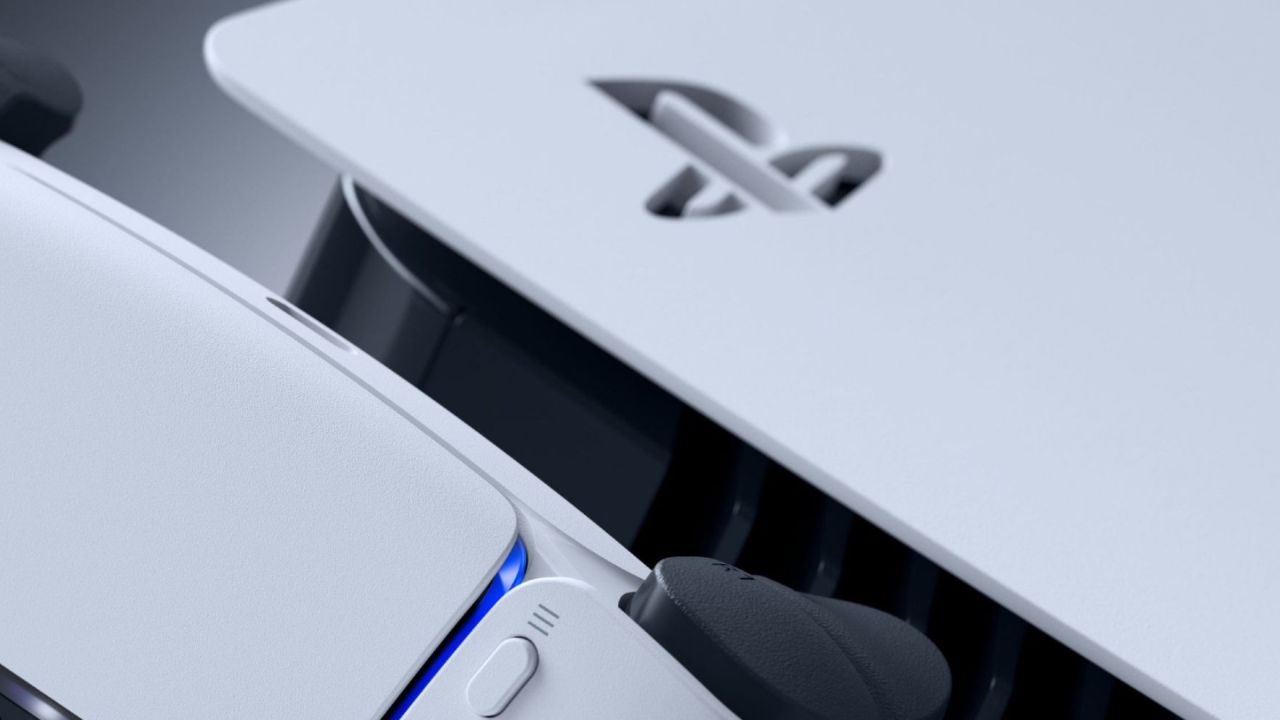
PlayStation has been slowly bringing its biggest first-party games to PC over the past few years. There were big games like God of War, Returnal, and Marvel's Spider-Man Remastered, not small online spin-offs.
Sony even bought Nixxes Software, a company known for making high-quality PC ports, to help with this project. The results were really great. These ports supported ultrawide screens, unlocked framerates up to 200 fps, a lot of graphical customisation options, and overall technical polish that clearly took a lot of money.
However, new leaks suggest that Sony may have changed its mind. The idea is that the company doesn't see the point in continuing this PC experiment for big single-player releases unless the project is focused on live service.
Original PC Strategy and Why It May Have Failed
From the start, PlayStation thought of its PC plan as a funnel. The plan was easy: let PC players try out big titles and encourage them to buy a PlayStation 5 for the next games in the series. Someone might play Marvel's Spider-Man Remastered on PC and then buy a PS5 to play Marvel's Spider-Man 2 when it comes out.
The same reasoning was applied to God of War: Ragnarok after the PC version of the 2018 game launched. But things look different in real life. PC players bought the games, praised them, and even made many changes to them. Still, many of them already had powerful systems capable of 120 fps or higher.
Those players didn't think it was necessary to spend $600 or $700 on a PlayStation 5 Pro. Sony may not have done enough to turn PC users into console buyers; instead, they may have just sold copies without building long-term ecosystem loyalty.
Financial reports say that hundreds of thousands of copies of PC ports were sold. Even though that sounds great, Sony might not be satisfied with it when they consider the costs of moving, marketing, and missed opportunities.
When a console-only game sells 5 million or 7 million copies on PS5, on the other hand, many of those buyers may be people who have never bought a console before. Sony gets a cut of every new PlayStation game bought after the first one, whether it's made by Sony or a third party.
Sony gets the $70 sale price on PC through Steam, minus Valve's platform cut. That customer will continue to buy from Valve rather than Sony in the future. From a business perspective, staying within the PlayStation ecosystem might be more useful in the long run than selling software on its own.
Live Service as the Exception
One big thing that doesn't follow this trend is the names of live services. Sony is still putting a lot of effort into making a hit like Fortnite a recurring income stream. Multiplayer games like Marathon are likely to be available on many different devices, including PCs.
Broad player groups are good for live service models. Cross-platform reach grows matchmaking pools, spending in-game, and long-term involvement. For those kinds of games, being limited to just one system would hurt their ability to turn a profit. So, even if single-player games become available only on PlayStation, live-service games are likely to remain cross-platform.
A Return to the Closed Garden Approach
This plan has been used before. During the PlayStation 4 era, Sony kept the environment very tightly under control. Cross-play wasn't possible for a while, even as other systems came out. At first, PlayStation Fortnite players were separated from Xbox, Switch, and PC players. After a lot of pressure, Sony finally took down those walls.
Now, it looks like we might be seeing a similar move back toward monopoly. If people already think of PlayStation as the best system for high-end single-player games, there is less of a reason to share those games with other people. It's well known among developers that improving for PS5 or PS5 Pro can bring in a lot of money, especially when that platform has a large active user base.

The Blurring Line Between Console and PC
The situation is also made more difficult by the fact that console and PC environments are becoming increasingly similar. There are rumours that future Xbox hardware might work better with Steam, allowing you to access PC files on devices that look like consoles. If that happens, putting PlayStation games on PC will indirectly make them available on competitors' systems.
Imagine that someone starts up Marvel's Spider-Man 2 on a competing system that supports Steam. From Sony's point of view, that makes the monopoly less valuable. Even if the next Xbox or Steam-based gadget is only for a small group of people, it still challenges the idea that PlayStation is the market leader.
Devices called Steam Machines or similar PC-console hybrids might not completely replace standard consoles right away. Still, they blur the lines enough to pose a strategic risk. If popular PlayStation games can be played on a variety of hardware, there will be less of a need to buy specific PlayStation hardware.
Why Exclusivity Still Sells Hardware
Single-player movies have been system sellers for a long time. Think about how big story-driven games make you feel, with their cinematic cutscenes, set pieces, and polished gameplay that was made to work with machine hardware. Those times are what make people buy hardware.
If fans think that those games will come to PC at some point, they may just wait. But if they are sure that PlayStation is the only way to play at launch, they need to act faster.
This sense of urgency leads to more gear sales, more subscriptions, and long-term platform lock-in. From that point of view, backing off from PC doesn't look like giving up. It looks like a gathering of strategies.
Final Thoughts
The reported move away from single-player PC ports suggests a shift in goals rather than a complete failure. We can see how the business works: exclusivity drives hardware, hardware drives ecosystem revenue, and ecosystem revenue keeps control going for a long time.
On the other hand, we saw how well these PC ports were accepted. They reached more people, improved how people thought of the brand, and demonstrated great technical skill at 120 fps or even 200 fps, with many graphic choices. Choosing to stop that progress is not easy.
Should Sony actually resume the policy of hard exclusivity for first-party single-player games, while live-service games remain cross-platform, that would demonstrate that they remain believers in the closed-garden model. Whether this will enhance PlayStation's position or slow its global expansion is yet to be established.
Also, check our other hardware articles:
- AMD Ryzen 9 9950X3D Review: Setting The Standard For 2025 Gaming CPU
- Amazon Luna 2025 Review: Is Prime Gaming's Cloud Service Your Go-To For Casual Fun?
- AMD RX 9070 XT Review: AMD's RDNA 4 Champion for 1440p Gaming
- GeForce Now Ultimate: Ditching Your Gaming PC For Cloud RTX 4080 Power?
- NVIDIA GeForce RTX 5080 Review (2025): Still A 4K Gaming Powerhouse?
- Intel Core Ultra 9 285K Review And Performance Breakdown (2025)
- AMD Ryzen 7 9800X3D Review: 3D V-Cache Goes God Mode with Stunning Gaming Performance
- Intel Core Ultra 9 285K vs AMD Ryzen 7 9800X3D: In-Depth Gaming Performance and Benchmark Comparison
- NVIDIA GeForce RTX 5080 Super Performance In Cyberpunk 2077: Path Tracing & DLSS 4.0 Tested
- AMD Radeon RX 9070 XT In Cyberpunk 2077: Ray Tracing & FSR 4.0 Tested
- Intel Arc B580 Review: The $250 GPU Revolutionizing 1440p Gaming
- Intel Arc B570 Vs. B580: Value, Specs, And Real-World Gaming Performance
- RTX 5090 Laptop Vs. M4 Max MacBook Pro: Ultimate Raw Performance Vs. Battery Endurance
- Intel Arc b580 Vs. RTX 4060: Game Performance And Value Analysis
- RTX5090 Hell Is Us Demo 4K Ultra Benchmark: DLSS Vs. Native Performance Guide
- NVIDIA RTX 5070 Review: Mid-Range Muscle or Marketing Hype?
- Nintendo Switch 2 Review: Handheld Performance, Features & Value Breakdown
- RTX 5070 Ti Review: Performance, Thermals & Power Efficiency Tested
- Samsung Odyssey OLED G81SF Review 2025: Ultimate 32-Inch QD-OLED Gaming Monitor
- AMD RX 9070 Performance Review: Thermals, Clocks, and Real-World FPS
- AMD Ryzen 5 7600 Review: Best Budget Gaming CPU of 2025?
- AMD Radeon RX 7800 XT Review: RDNA 3 Power For Midrange Gaming
- Asus ROG RTX 5090 Astral OC Vs. Founders Edition: The 4K Gaming Benchmark
Contributor, NoobFeed
Gaming Hardware Updates
No Data.