
Steam Deck Price Increase Changes Handheld Gaming Value
Steam Deck pricing changes reshape handheld gaming value and reduce accessibility for budget-conscious PC gaming buyers.
Hardware by Nahe Yan on Jun 01, 2026
Portable PC gaming has been revolutionized by the introduction of the Steam Deck, which made handheld PC gaming more affordable. But it wasn't the strongest handheld gaming device; it did offer remarkable portability, ease of use, and software support. In addition, SteamOS helped put Linux gaming in the mainstream spotlight. The device was an affordable choice for those who wanted to play games but didn't have the cash typically required for a high-end gaming PC.
However, concerns have now emerged about its usability and value. Meanwhile, Steam Deck seemed tied to Steam hardware in general, sparking excitement about its hardware direction. Projects such as SteamOS, handheld gaming, and living room gaming dreams made it seem like PC gaming was going to branch out into areas once reserved for consoles.
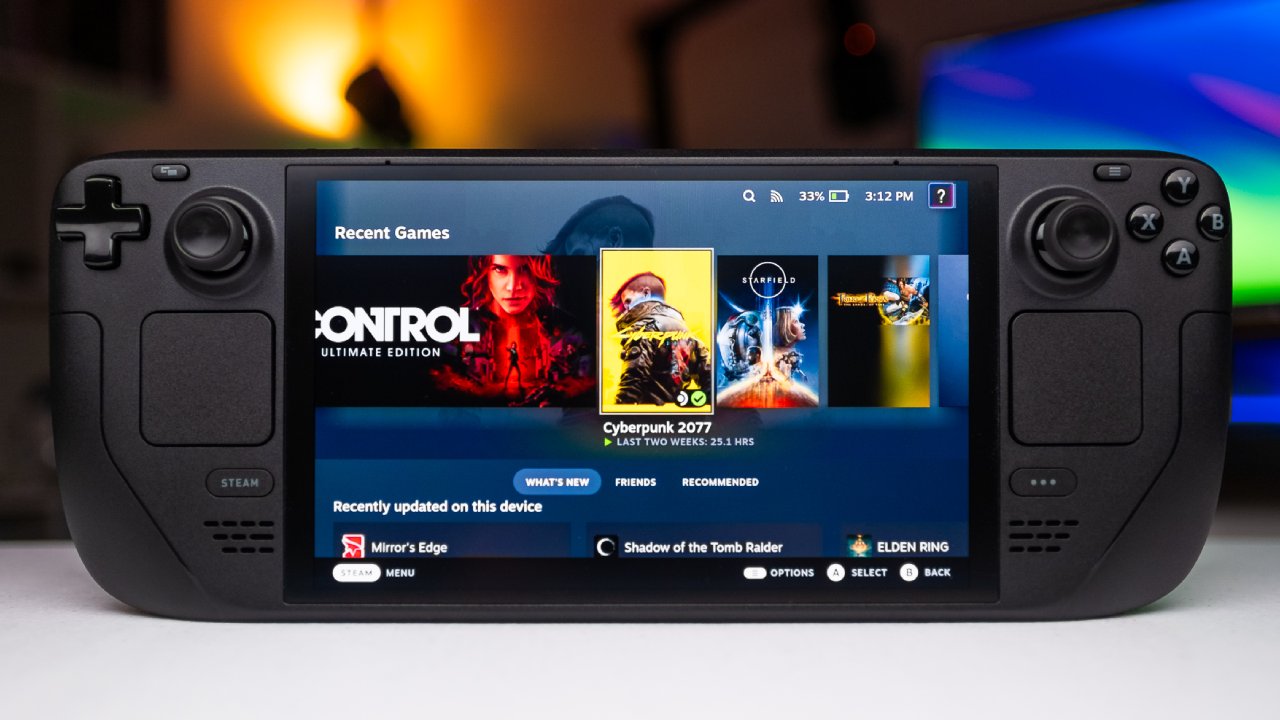
The Steam Deck Prices Surprised
Expectations for higher prices were already in the wild as soon as Steam Deck models returned to stock. As the price hikes of technology products have become commonplace, some adjustments weren't surprising. However, when the increase in size was announced, the conversation changed.
The 512GB OLED Steam Deck is up $240 from its original $549 to $789. The 1TB version of the same model was $649 and is now $949, a $300 rise. Refurbished versions no longer seem like good value for the price, since prices have risen too. The numbers don't make Steam Deck a bad recommendation, nor do they make it a no-brainer.
None of these numbers make Steam Deck any less of a bad call, and none would make it a no-brainer, either. We're still addicted to the Steam Deck and all that it means to us, but there's a case for value that we may need to be honest about. The device has not lost its usefulness. However, its greatest asset has been its low cost, and that has changed.
The Steam Deck's Greatest Asset was its Accessibility
Steam Deck was unique in combining multiple strengths. It ran most games, SteamOS was easier to use than many Windows handheld counterparts, and Valve always updated and supported the platform. In many ways, the Steam Deck seemed like a handheld that took the best of other handhelds and bundled them together. While it wasn't the best in raw performance, it did well across various categories, making it an easy recommendation.
Now, that's not as easy to say, since it's no longer in impulse-buy territory. The price increase has made people more likely to buy the Steam Deck before these changes if they were interested in playing PC, indie, or handheld games.
It was simple, affordable, easy to understand, and we could recommend it to those who aren't into PC gaming. Steam Deck owners often explore platforms such as SteamUnlocked to discover PC titles that pair well with handheld gaming and SteamOS-powered devices.
So, if you're considering purchasing one, you'll need to think it over more carefully. Few things alter the expectations of using a gaming handheld quite like the upfront cost of almost $800 or nearly $1000.
The Competition is Different at this Price
When you look at the pricing of the Steam Deck in comparison to similar hardware, it's difficult not to notice. So, if you're considering the handheld market currently, there are more options than ever. Gaming handhelds like the ROG Ally and Legion Go are part of the equation, as are used gaming laptops and mini gaming PCs.
In the past, the Steam Deck stood out with its solid value proposition. Steam Deck offered a value proposition for hardware competency, software ease, and a balance of game support, even if the hardware wasn't quite as powerful. This equilibrium helped in the recommending process.
With the new pricing, it's clear that more powerful hardware becomes more affordable. Price changes can alter the discussion, even though we don't always want to use Windows handhelds due to software issues. New higher-priced Steam Deck machines are now directly competing with machines with greater raw power when they first ship out.
The fact is that universal recommendations are more difficult to implement. In the past, if you wanted a simple-to-use handheld for indie and casual PC gaming, the Steam Deck was a no-brainer. Now that suggestion is accompanied by further restrictions.
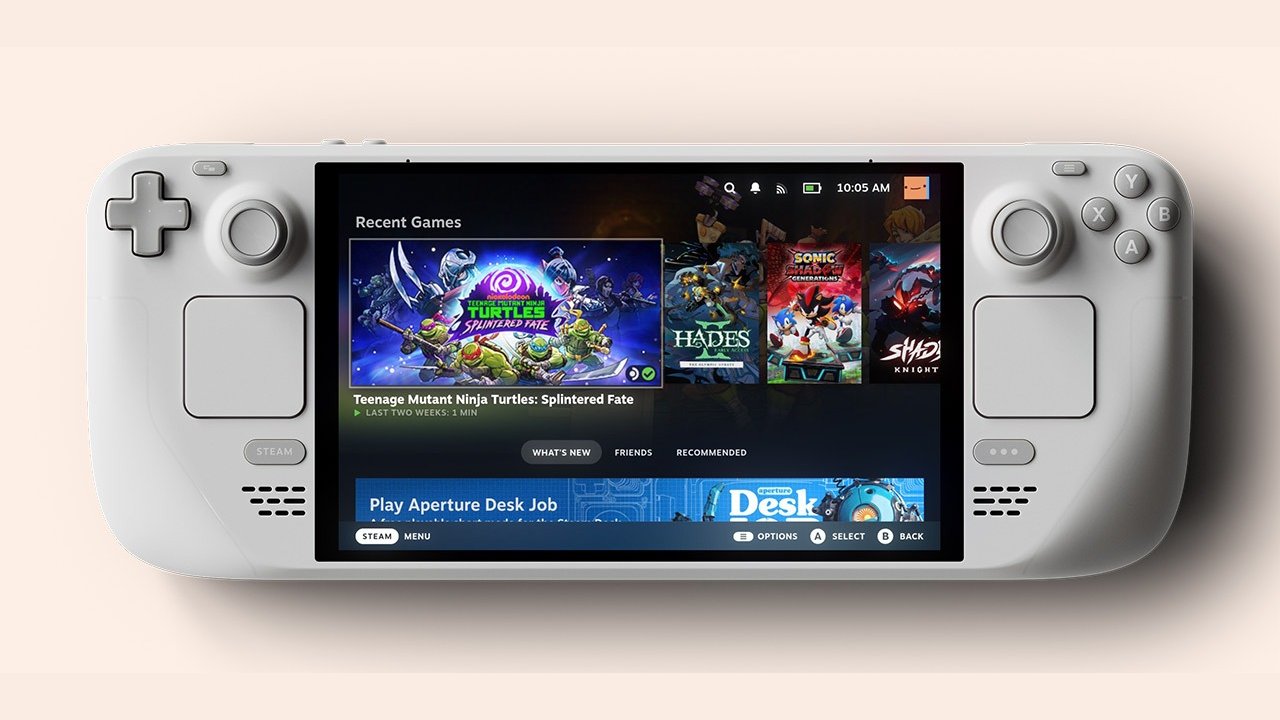
What Might These Prices Imply for Future Steam Hardware
Steam Deck's pricing also raises questions about future Steam hardware. Valve's ambitions for Steam extend beyond hardware; it has other hardware plans in mind, such as those for larger-screen gaming. There is no word on pricing or release date at this time, but the Steam Deck raises questions about what will happen next. Now that a handheld is this expensive, you can't ignore the expectations for larger hardware.
We still feel the Steam Deck's impact on PC gaming is important. Portable PC gaming was more accessible, SteamOS was mainstream, and Linux gaming was gaining visibility on the platform. But the Steam Deck's accessibility was a main part of its charm. A lower entry level led more people to try handheld PC games. The access helped to build momentum and excitement around the category.
The world feels different when it comes to recommendations.
Still, there's a lot that the Steam Deck does really well. We can still appreciate the hardware, software experience, and support that Valve continues to provide. But when you ask: Does Steam Deck still automatically suggest at these prices? The question is more difficult to answer. Now you have to consider your options, value, and what kind of game experience you have in mind.
While all this was going on, the Steam Deck kept being the Steam Deck, and the conversation shifted to Pricing. Ultimately, there is still freedom in PC gaming. Hardware accessibility matters. Playing one's favorite games is still important, whether it's in person or online. The Steam Deck helped to advance that discussion, albeit against the backdrop of the new price.
Editor, NoobFeed
Gaming Hardware Updates
No Data.