
CXMT DRAM Expansion Could Finally Ease Global Memory Shortages
CXMT is projected to close 2026 with wafer output nearing Micron's production capacity in the global DRAM market.
Hardware by Nahe Yan on Jul 17, 2026
Memory prices have risen sharply in 2026 as makers shift wafer capacity toward high-bandwidth memory for AI accelerators rather than DRAM for consumers. This change has made it harder for big companies to sell everyday items like laptops, desktops, and gaming hardware, but it has also made room for smaller companies to grow.
CXMT, which makes more DRAM than any other company in China, is filling the gap. According to new estimates, the company will soon be able to match Micron's production output. CXMT is projected to finish the year with approximately 350,000 wafer starts per month of DRAM capacity, a figure just 25,000 below Micron's own output.
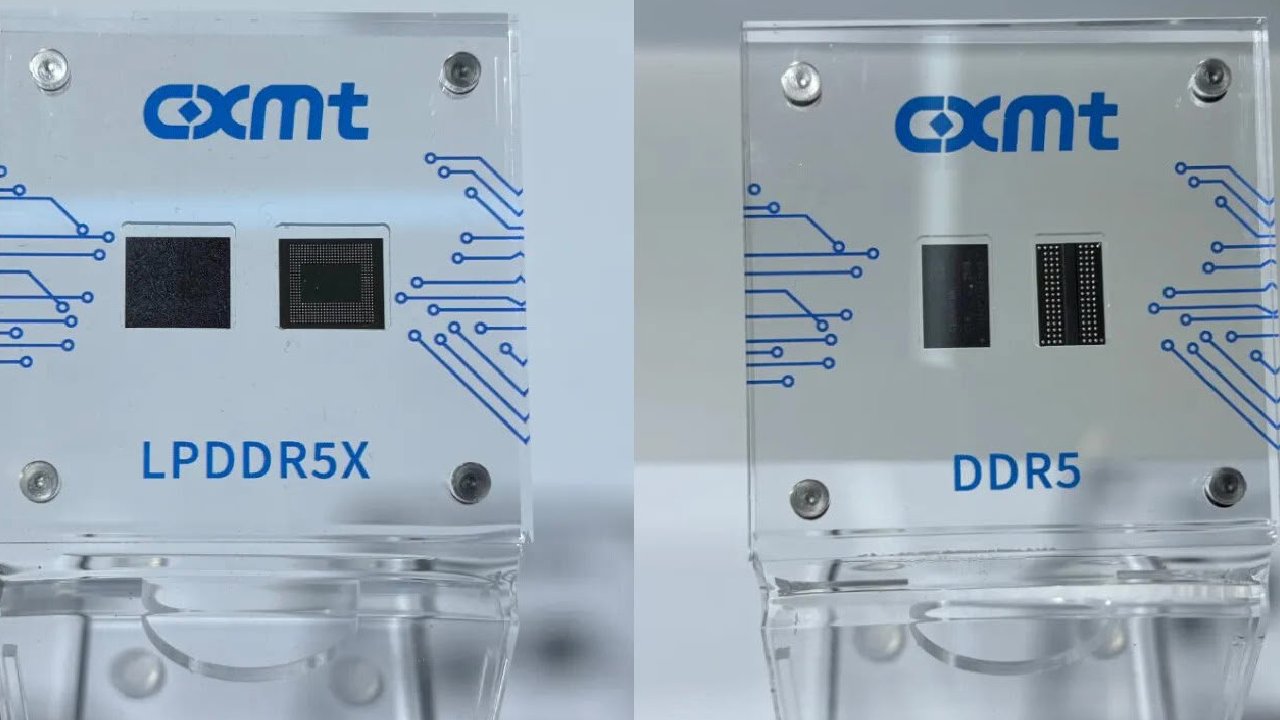
CXMT Nearing Micron's Wafer Output
We're looking at a company that started with a fraction of that capacity only a few years ago and is now closing the gap with one of the three dominant global DRAM producers. Beyond its own expansion, the Chinese government is reportedly pressuring CXMT to share its DRAM technology with three additional domestic companies to help address domestic supply shortages.
According to reporting on the matter, all three either already hold DRAM production capacity or are close to bringing new capacity online. It remains unclear how this additional output is split across DDR4, DDR5, LPDDR, server memory, and HBM.
However, CXMT already manufactures HBM, so some portion of the new capacity will likely support AI-focused memory rather than consumer products. The current price increase can be traced back to Samsung, SK Hynix, and Micron placing greater emphasis on producing HBM for AI processors, which brings in more money than making memory for consumers.
Prioritizing other things took money, tools, and chip capacity away from DDR4, DDR5, and mobile memory, which made supply tight and prices go up everywhere.
Export figures from the first half of the year offer an early signal of this expansion already taking shape.
Even if some of CXMT's growth goes toward HBM rather than regular DRAM, more competition in that market could ease some of the pressure that led big companies to leave consumer memory in the first place.
Any additional capacity that CXMT adds to standard DRAM is a relief, especially since the company has already improved memory speed. The value of China's chip exports rose sharply during that period, driven largely by memory products.
Higher prices account for much of that increase rather than a doubling of shipped volume, with unit export growth running well behind the jump in export value. Shipments themselves were still increasing during that window, even if the rate lagged the value growth.
Editor, NoobFeed
Gaming Hardware Updates
No Data.