
Apple M7 Chip Could Redefine AI PCs With TSMC N2 (2nm) Architecture
Apple's M7 development pace signals a dramatic shift toward AI-first silicon engineering and shorter processor design cycles.
Hardware by Masaru Hoshino on Jul 15, 2026
Apple's silicon roadmap has rarely followed the industry's traditional cadence, but the company's latest reported milestone suggests it is now operating at an entirely different speed. According to a new leak shared via Wccftech and industry insider Mobile Phone Chip Expert, Apple has already finalized the design layout for its upcoming M7 chip, only six months after officially unveiling the M6 generation.
If accurate, the development represents one of the fastest transitions between major Apple Silicon designs to date. Instead of adhering to the conventional 12-to-18-month engineering cycle that has long defined desktop and notebook processors, Apple appears to be compressing architectural development into an aggressive six-month window.
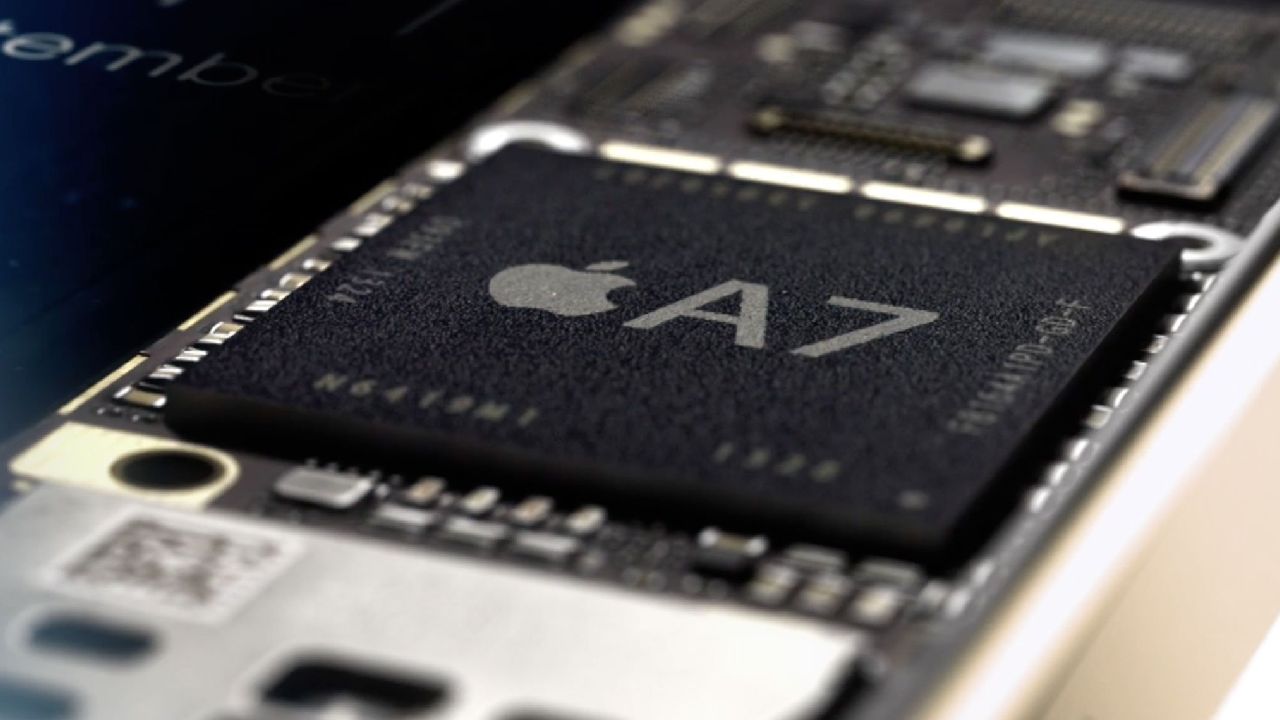
More importantly, the move signals that artificial intelligence has fundamentally reshaped the priorities of modern processor design. If you're a hardware geek, this isn't just another yearly refresh. It's a peek at how the AI era is compelling semiconductor titans to re-evaluate product roadmaps, production cadences, and long-term platform strategies.
Apple is Rewriting the Silicon Development Rulebook
CPU vendors have, for years, relied on regular release cadences that balance architectural innovation with manufacturing process readiness. Apple, however, appears willing to abandon that rhythm entirely.
Reports indicate that the Apple M7 chip has already completed its tape-out design phase despite the M6 generation being introduced only months ago. Reaching this milestone means Apple's engineers have finalized the processor's physical layout before manufacturing preparation begins at TSMC. That timeline alone is remarkable.
Historically, chip designers have spent more than a year refining microarchitectural modifications, confirming layouts, optimizing power delivery, and coordinating manufacturing with foundry partners. To compress those procedures into about six months means Apple has dramatically reduced both its internal engineering processes and its partnership with TSMC.
Rather than waiting for market cycles to dictate product launches, Apple appears increasingly driven by AI development timelines. The 2nm Architectural Leap Is All About AI. The reported Apple M7 chip is expected to move directly onto TSMC's N2 (2nm) node, skipping what many expected to be another iterative refinement of existing 3nm technology.
That decision carries enormous architectural implications. Moving from the M6's N3E-based architecture to TSMC's N2 (2nm) node will bring significant increases in transistor density, power efficiency, and overall compute performance. Those advantages become increasingly valuable as Apple pushes more AI workloads away from cloud infrastructure and directly onto local devices.
The biggest beneficiary appears to be the processor's redesigned Neural Engine. According to the leak, Apple is building an entirely new high-density Neural Engine specifically optimized for advanced edge-AI processing. Modern AI assistants, real-time language translation, image generation, video enhancement, and large language model inference all demand substantially greater neural computing resources than previous consumer workloads.
Instead of treating AI acceleration as a specialized component within the chip, Apple seems to be reshaping the entire silicon architecture around machine-learning performance. That represents a much larger shift than simply increasing CPU or GPU core counts.
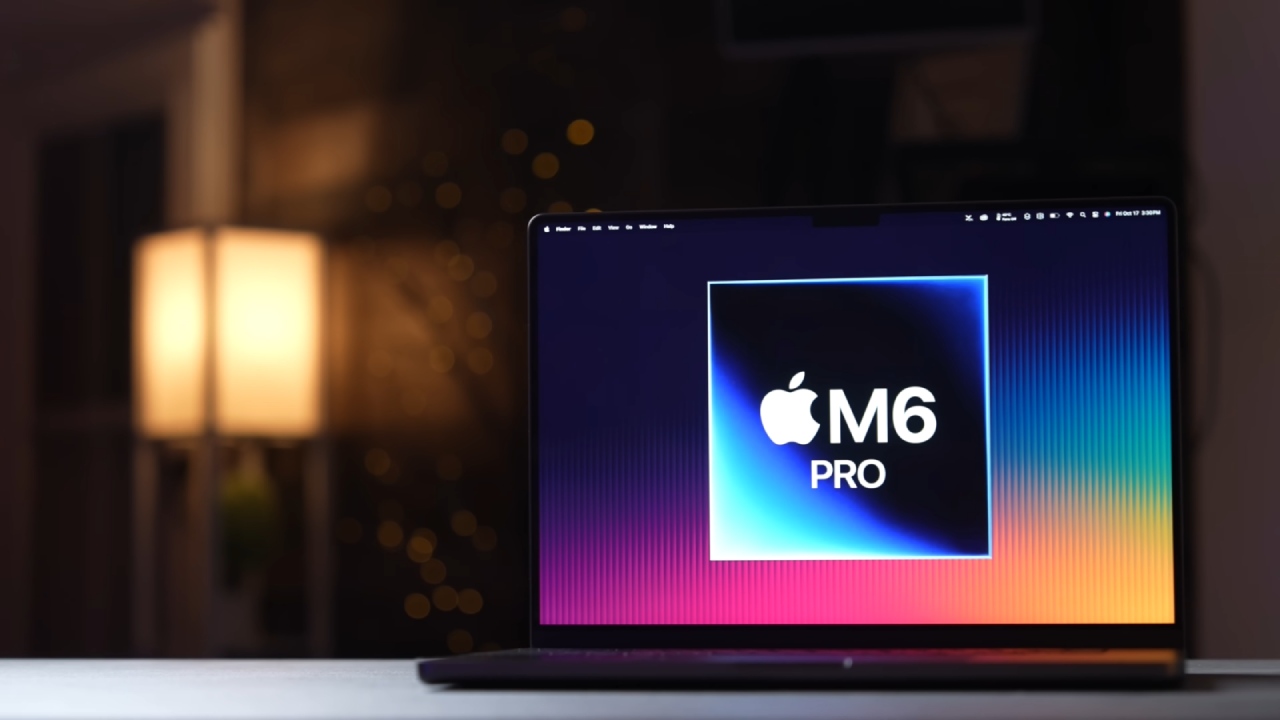
Why Apple Couldn't Afford to Wait
The explosive growth of generative AI has fundamentally changed consumer expectations. More and more, users are demanding that their laptops and desktops be able to perform advanced AI tasks locally, rather than relying entirely on cloud servers. Privacy, latency, and offline functioning are big selling features, especially within Apple's ecosystem.
Meeting those expectations requires far more than software optimization. Every new AI feature increases pressure on dedicated neural hardware, memory bandwidth, cache hierarchy, and energy efficiency. If Apple's plan has indeed sped up this much, it likely means the company has internally decided that incremental upgrades won't be enough to meet its software goals. It appears Apple has elected for a total architectural evolution rather than pushing previous ideas further.
Intel and Qualcomm Suddenly Face Even More Pressure
Apple's reported engineering pace creates uncomfortable questions for nearly every major processor competitor. Intel is continuing to build out its AI PC goals across current and future Core architectures, striking a balance among desktop performance, laptop efficiency, and integrated AI acceleration. Qualcomm, for its part, has invested heavily in its Snapdragon X Elite platform to become a major player in Windows AI PCs.
Both companies already face fierce competition across performance-per-watt metrics. Now imagine competing against a company capable of completing an entirely new processor design in six months. That rate shortens the time frame in which competitors can respond with major design changes. By the time competitor platforms catch up, Apple could be on to the next generation of silicon. There is a competitive aspect that goes beyond simple benchmark figures.
"Developers are increasingly optimizing applications for hardware AI capabilities. Faster silicon development means Apple can roll out new machine-learning accelerators more quickly, enabling developers to create features that leverage Apple's latest hardware before competing ecosystems can catch up. This creates a feedback loop in which hardware leadership promotes software innovation, which in turn increases demand for newer technology.
Semiconductor Supply Chain Is Becoming a Strategic Weapon
The transition to TSMC's N2 (2nm) node further highlights Apple's unique position in the global semiconductor ecosystem. Securing early access to advanced manufacturing capacity is no small achievement. Leading-edge nodes remain among the most expensive and capacity-constrained technologies in the industry.
Apple's scale gives it the financial clout to book production capacity years in advance, allowing its silicon roadmap to dovetail closely with TSMC's manufacturing growth. Competitors that don't have comparable buying power sometimes must wait longer to move to newer process technology. That manufacturing advantage increasingly translates into product differentiation rather than simple production efficiency.
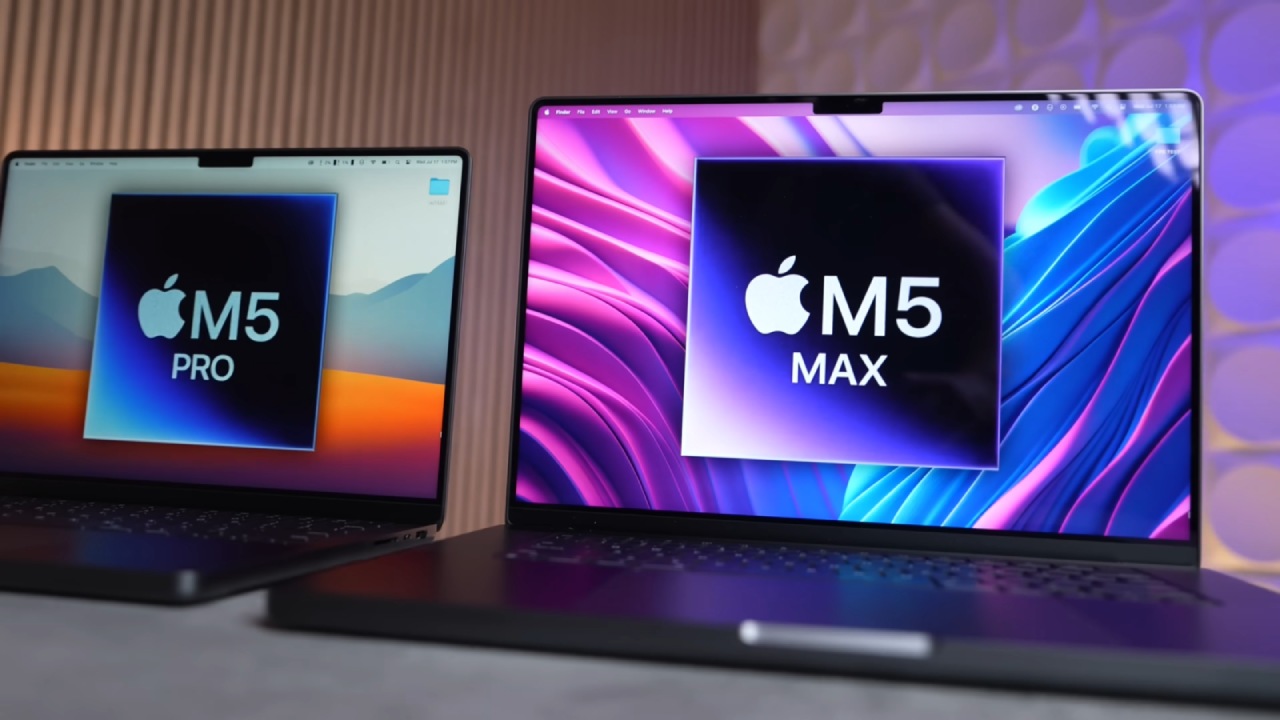
What This Means for Current M6 Buyers
Whenever reports of future Apple Silicon emerge, current customers inevitably wonder whether buying existing hardware remains worthwhile. The reported completion of the Apple M7 chip design does not automatically make today's Macs obsolete. Product development, manufacturing validation, software qualification, and commercial launch remain separate stages that require significant time.
Current M6-powered systems will continue receiving software support and remain exceptionally capable for productivity, creative workloads, software development, and many AI-assisted tasks. However, the leak does change perception.
The fact that Apple's next big architecture is supposedly already in the bag may impact the buying habits of aficionados who normally upgrade with each iteration. Buyers interested in optimal lifetime may choose to wait, especially if local AI performance becomes a big factor in purchasing decisions over the following product cycle. Current-generation Macs should continue to deliver years of solid performance for mainstream users, helping replace aging hardware today.
Editor, NoobFeed
Gaming Hardware Updates
No Data.