
Sony’s Digital PlayStation Future Faces New Scrutiny as Lawsuit Gains Momentum
A Dutch consumer group says Sony’s shift away from physical games strengthens its case against the PlayStation Store’s pricing model.
News by Tahmid Mahi on Jul 15, 2026
Sony’s long-term push toward a digital-first PlayStation ecosystem is drawing renewed criticism as a major lawsuit in the Netherlands continues to gain traction. According to reports from PC Gamer, Dutch consumer organization Stichting Massaschade & Consument believes recent developments have strengthened its €435 million (about $457 million) legal case against Sony.
The lawsuit centers on the 30% commission Sony charges on every game sold through the PlayStation Store, a fee critics have labeled the "Sony tax." The group argues that players are paying more because there are fewer alternatives available on PlayStation.
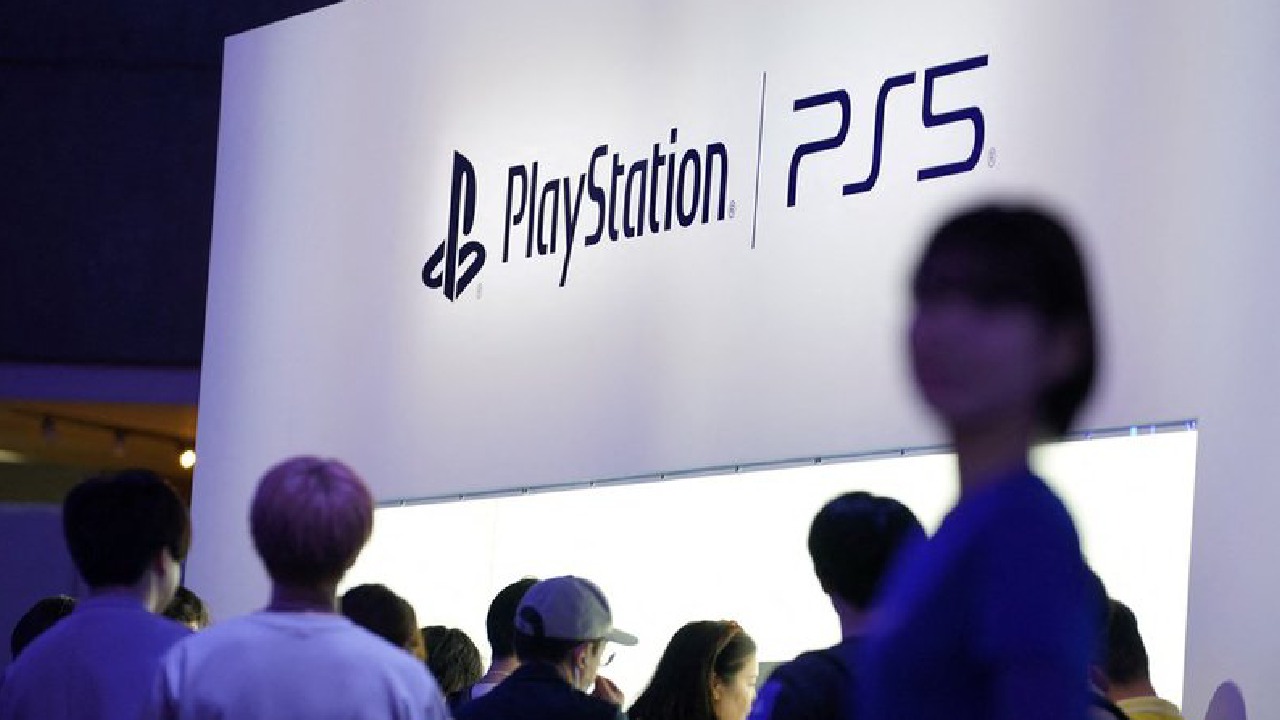
The lawsuit has taken on greater significance since Sony announced that it will phase out physical game discs by 2028.
Once physical releases disappear, the consumer group argues that the final source of price competition for PlayStation games also disappears. Without discs, you lose the ability to shop around for lower prices, purchase used games, or resell titles after finishing them. According to the organization, Sony would then have far greater control over both pricing and access to digital games.
“If we get rid of physical media, then there will be no secondhand market and no alternative to buying games from the PlayStation Store,” Stichting Massaschade & Consument chair Lucia Melcherts told WCCFTech. The group says that starting in 2028, Sony will effectively decide the cost of games and how long players can continue using them.
It also claims that a price cannot be truly fair when buyers do not own the goods and there is no competitive marketplace. Those concerns form the foundation of the group's ongoing legal challenge. The organization believes that giving consumers more control over where they buy games and how they use them is essential as the industry moves further toward digital-only distribution.
The situation has drawn comparisons to Epic Games' legal battle with Apple and antitrust lawsuits involving Steam. Apple, which controls both its hardware and digital storefront in a similar way to Sony, was eventually required to loosen some of its control over its ecosystem.
Steam also takes a 30% cut from game sales, but critics point out that the PC market works differently. Unlike consoles, supported hardware means you can install competing storefronts, alternative operating systems, and even physical PC games.
That flexibility gives PC users more options than console users do right now.
You are not restricted to a single storefront when buying games, even if Steam remains the largest platform. Competing launchers and retailers continue to exist, giving developers and players the freedom to choose where they sell and buy games. That level of competition is something critics argue is missing from PlayStation’s closed ecosystem.
Sony has stated that retailers will continue receiving digital game codes as an alternative to physical discs once physical media is phased out. While that gives players another way to purchase digital games, it does not solve the disappearance of the secondhand market.
You would still lose the ability to resell games after purchasing them, one of the most significant benefits physical media currently provides. Even so, digital codes could at least create multiple places to buy games instead of relying solely on the PlayStation Store.
Supporters of a more open marketplace argue that this option needs to extend much further. Every game that would normally receive a physical release should also have digital codes available through multiple retailers. This would provide players more freedom to compare prices and choose where they purchase their games.
That availability should include both traditional brick-and-mortar stores and online retailers so you have real price competition. Without widespread access to digital codes, critics say players effectively stay locked into Sony’s own storefront. A wider system would allow consumers to have more control over their purchases.
Many also believe the discussion should go beyond where digital games are sold.
Broader digital ownership rights remain a major concern as more publishers move away from physical media. Advocates are still pushing for things like true ownership of purchased digital games, offline verification that doesn’t depend on company servers, and the ability to legally sell digital purchases.
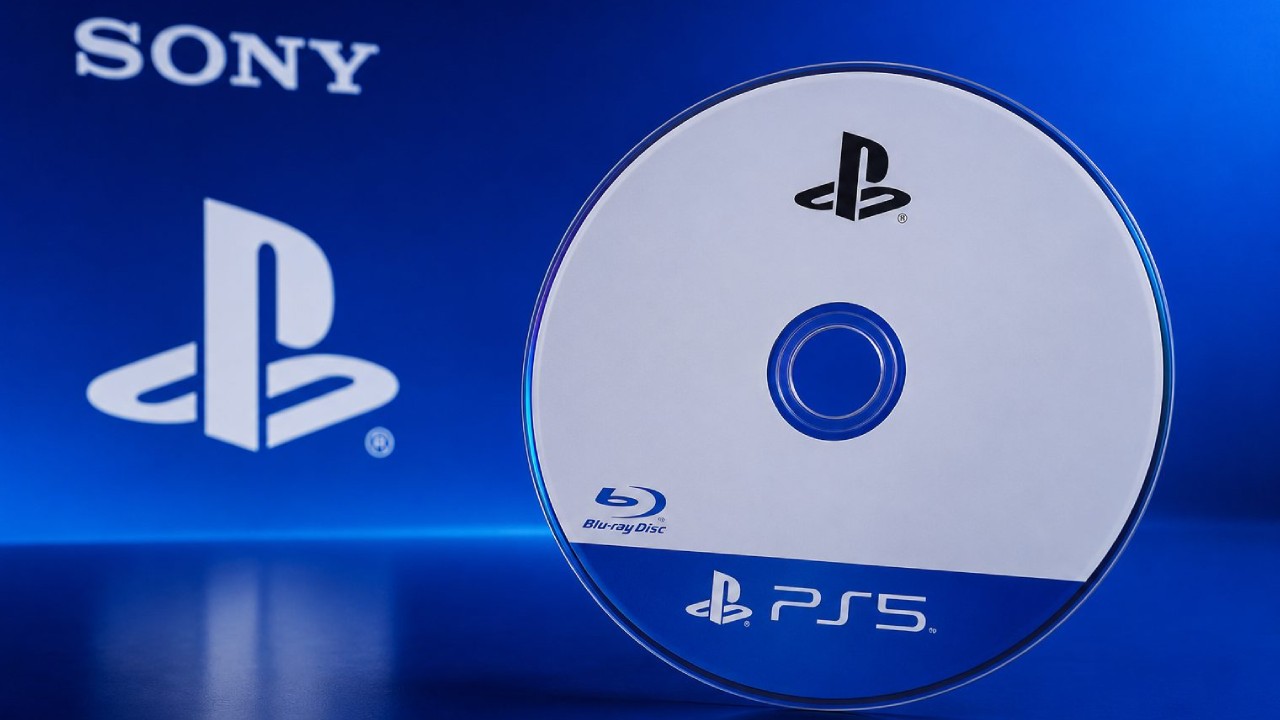
Sony’s foray into the digital distribution arena has moved the debate beyond convenience and into larger questions of ownership, competition, and consumer rights. The outcome of the Dutch lawsuit may ultimately influence how digital storefronts operate in the future, especially if courts decide platform holders should offer players more choice.
While Sony’s plans continue moving forward, pressure from consumer groups is unlikely to disappear anytime soon. The discussion around digital ownership appears to be just getting started. As more companies move toward digital-only platforms, these concerns will likely become an even bigger part of the gaming industry conversation.
Editor, NoobFeed
Related News
No Data.