
AMD is Quietly Testing FSR Multi-Frame Generation Up To 8x
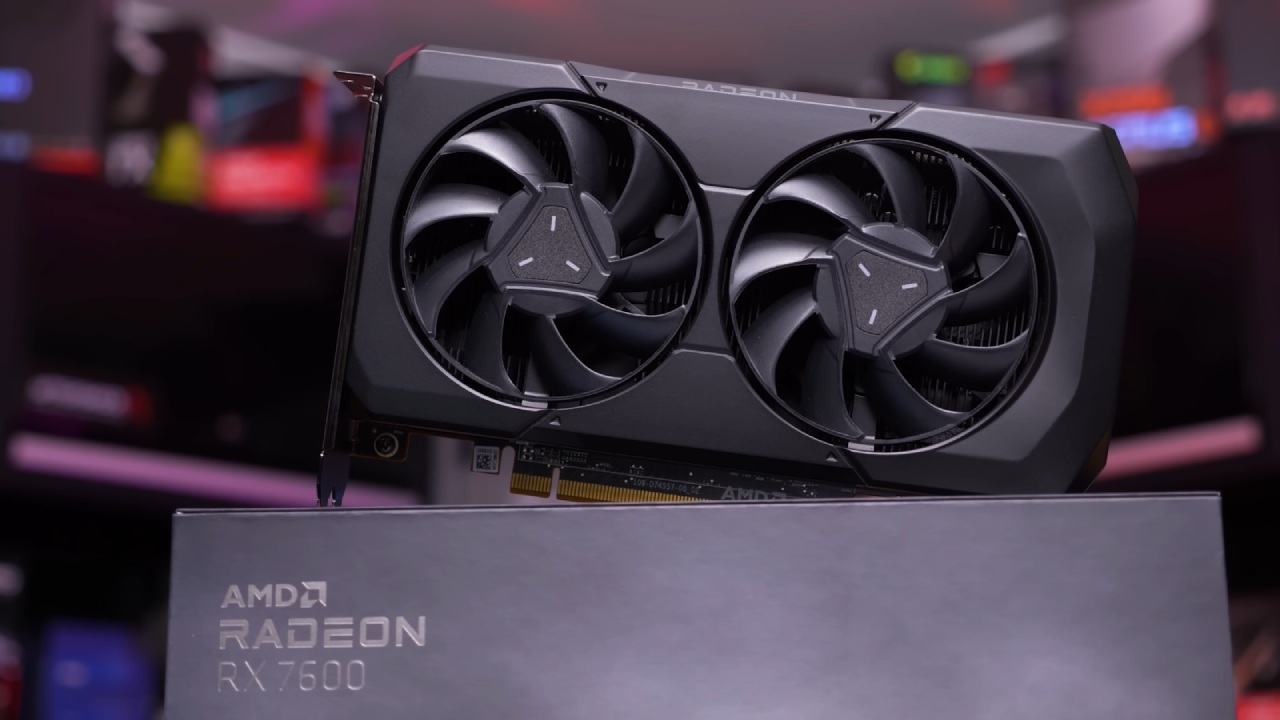
Testing on an RX 7600 showed the multi-frame generation override currently produces no measurable effect in games.
Hardware by Shinji Okazaki on Jul 14, 2026
Frame generation has become one of the more contested features in modern GPU drivers, and AMD looks to be pushing its version further than expected. Hidden settings buried in Radeon drivers point to a multi-frame generation ratio that goes well beyond what either AMD or Nvidia has shipped publicly so far.
The discovery came through Radeon Tuner, a third-party tool that exposes Radeon driver settings without requiring the full Adrenalin package to be installed. In the tool, two driver properties appeared: MFG Override and MFG Ratio, with MFG standing for multi-frame generation.
Driver Settings Reveal An 8x Ratio In Testing
The available ratios range from 1x to 8x, meaning AMD could be generating up to 7 AI-produced frames for every 1 frame the GPU actually renders. That range stands out compared to NVIDIA's approach to its rollout, which moved from 2x to 4x before adding higher multipliers later. AMD's driver settings suggest a jump straight from 2x to 8x instead.
On an RX 7600, testing was conducted across a variety of games, and the results showed that enabling the multi-frame generation override had no effect. The fact that this message appears means that the setting is in the driver, but it is not currently doing anything. The person who made Radeon Tuner says this is typical of how AMD releases things: profile options often show up in drivers months before the code that makes them work is put in place.
A few pieces of supporting evidence back up the idea that this is a real feature in progress rather than a stray setting. Earlier this year, AMD updated its ADLX documentation with a new interface called FidelityFX Frame Generation Upgrade, which included functions specifically for checking which frame generation ratios a system supports.
A higher ratio doesn't automatically mean a better experience.
AMD also confirmed separately that its upcoming FSR Diamond technology will include multi-frame generation as a core feature. Taken together, an 8x ratio aligns with the direction AMD has already been signaling, even if the specific number is higher than most expected this soon. The setting is more of a sneak peek at what's to come than something usable right now.
Frame generation works by having the AI interpret what the next frame should look like based on the previous one, and it doesn't accept input during those generated frames. That means motion can look smoother at a higher ratio, but the responsiveness you feel is still tied to the actual rendered frame rate, not the number on-screen.
A game rendering at 20 FPS natively will still feel close to 20 FPS even if the display shows something closer to 160 FPS, and the added processing required to generate that many extra frames introduces additional latency on top of that. The feature will have real use cases once it ships, but the gap between how smooth a game looks and how responsive it feels only grows as the multiplier climbs.
Editor, NoobFeed
Gaming Hardware Updates
No Data.