
Why PS6 and XBOX Project Helix Won't Get Delayed Despite Rising Component Costs?
Rising RAM and SSD prices reopen debate over whether next-generation console launches should get delayed entirely.
Hardware by Nahe Yan on Jul 14, 2026
With memory costs rising and storage shrinking, console generations are back on the agenda: Should console makers take the brakes off their next console and wait for studios to catch up on what they have, or what they will be unable to?
In a recent panel discussion, questions were raised about whether a delay is necessary, what features a console with roughly the same RAM and SSD capacity would have, and whether Switch 2 signals a new direction for future consoles. Cross-gen time has already become longer than ever before, with a new console potentially releasing before studios can maintain support for two older ones.
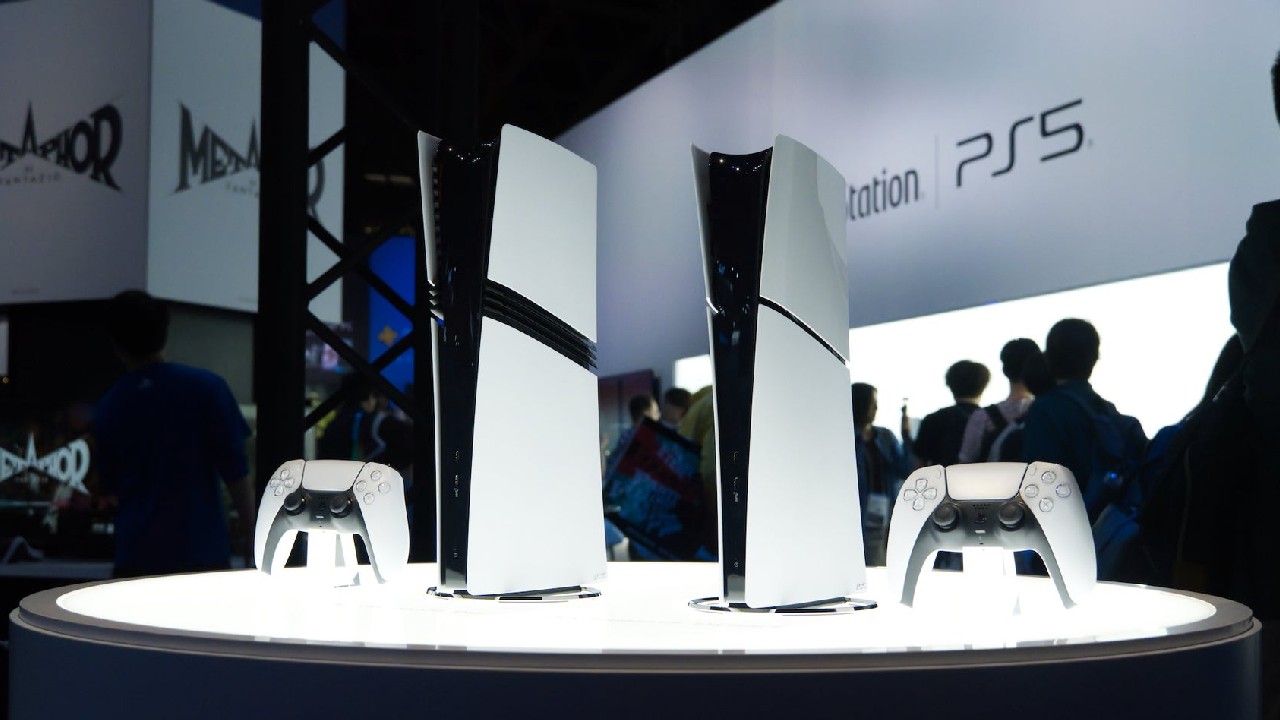
That said, as panelist Will pointed out, manufacturers are not just going to drop a launch due to high costs. Sony and Microsoft invested significant funds in R&D to get new hardware ready, and that investment should pay off once the consoles sell on the market.
Why a Full Delay is Unlikely to Happen
There's also a cost to waiting for RAM to become cheaper, since silicon designs tend to be set in stone early. This also imposes a cost on the later release, because they are now further behind what is technically possible by that time. There's always a possibility of a partial delay, though, with a console version available at an extra price for those who can afford it. At the same time, everyone else continues to play on current-generation consoles.
Panelist John concurred, pointing out that the price of these current-generation components is already high, and much of what they require is the same as that required for a next-gen system, so there won't be much real-term savings to justify delaying. He said that while his personal interest in a potential next PlayStation has shifted, it is now more work-related than an event he could enjoy personally; for him, a new console that launches on time means he has a new topic to talk about.
The panel also discussed other ways physical ownership influences purchasing decisions, in addition to the delay question. John explained a hybrid model: he plays some games on PC, some on console, and sometimes he still buys disc versions of games even if he already owns a PC version, because it is important to him for some games.
He prefers to release digitally, favoring a PC platform because it is more open and has no ownership issues. In that sense, the change impacts the buying and selling of goods and services. Under current pricing and format pressures, double-A and some triple-A titles are more likely to be skipped.
In contrast, indie and smaller titles will come in at an easy price point, thanks to the digital marketplace making a $20 release commercially viable in a manner it wasn't back when physical media was all that was available.
What a Cost-Efficient Next-Gen SOC Might Be Like
On the hardware side, one issue is that the cost of SOCs has risen compared to previous generations, and this increase will be reflected in how Sony and Microsoft design their next systems. The RAM or SSD capacity might not have been fixed in those initial plans, however.
That means it would be possible to create a console with the same amount of memory and storage as the current generation, at a price similar to today's consoles, and focus on the SOC's capabilities. The key signature for that next generation has been identified as Zen 6 and RDNA 5, which follow the standard reporting for the two, plus a video walkthrough from Mark Cerny indicating that RDNA 5 is the development path Sony is taking.
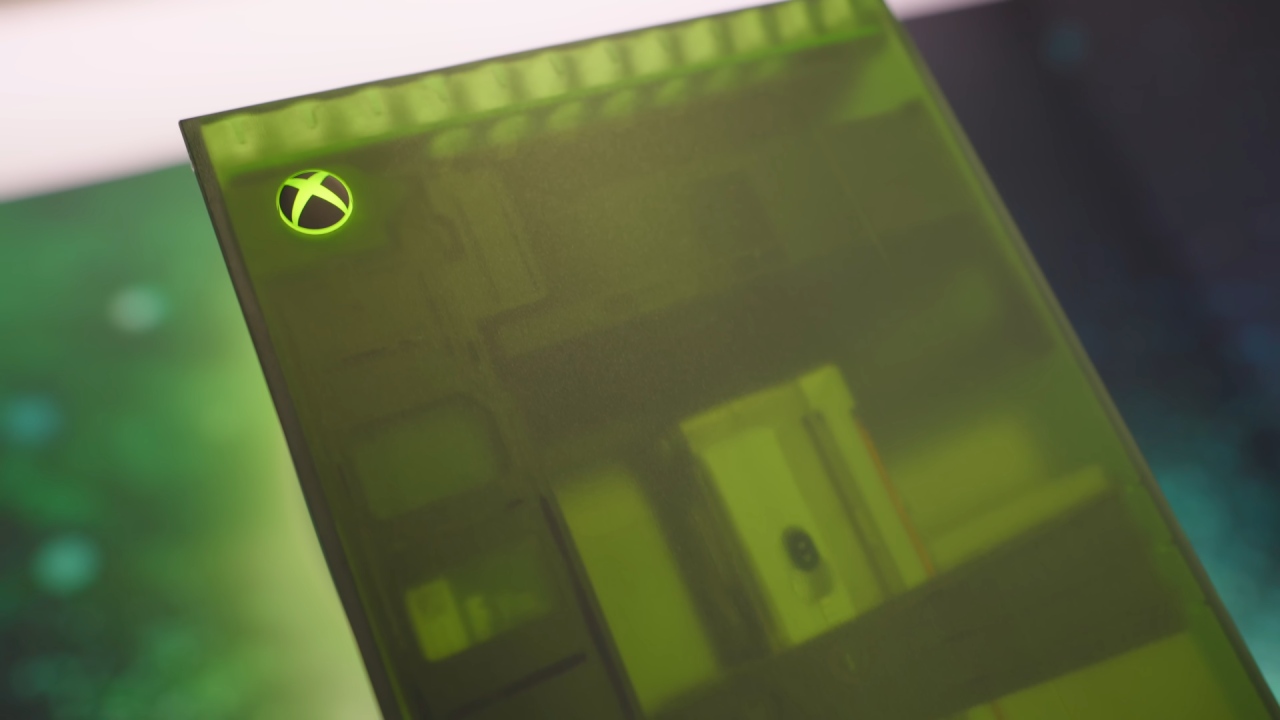
Squeezing output from hardware, not chasing raw specs, was a recurring theme in Switch2. While the panel highlighted machine-learning-based upscaling and better ray-tracing support as ways in which a smaller SOC can do more than it's worth, the same could apply to a home console that operates on such principles rather than just a portable device.
Microsoft's messaging about a family of devices also creates another layer of uncertainty.
For instance, if you play Resident Evil Requiem on Switch 2 without any upscaling method such as DLSS, you get 540p output when connected to the dock, which isn't really pretty to look at. The comparison illustrates the benefit of relying on upscaling and reconstruction technology, so that the raw output of the shaders can be scaled down to an acceptable image.
There was one suggestion that the APU, which is the processor used in the PlayStation handheld, might be used in a living room set-top box in place of the PlayStation 5, and could not be significantly more expensive to manufacture. But if that isn't the case, or if PlayStation rather takes the full leap into the Switch and makes the PS5 a stand-alone product with clearly defined boundaries, it will remain to be seen.
Even if the strategy were to work out in other systems, the nuclear design of PlayStation 6 and Microsoft's Project Helix would have been set in stone long ago, meaning the impact of such a switch could be minimal for those systems. As mentioned, the SOC path proposed by Microsoft would allow it to retain the same processor-side component while replacing the RDNA5-based GPU with a different component for different devices.
That should allow Microsoft to adjust performance targets across its lineup without redesigning the entire chip for every device. As more information surfaces, Microsoft will have to watch as it builds its offering around that flexibility and determine whether it will opt to pursue cutting-edge features, as Switch2 did.
Editor, NoobFeed
Gaming Hardware Updates
No Data.