
MSI GeForce RTX 5090 Lightning Review: 1000W BIOS and Record GPU Pricing
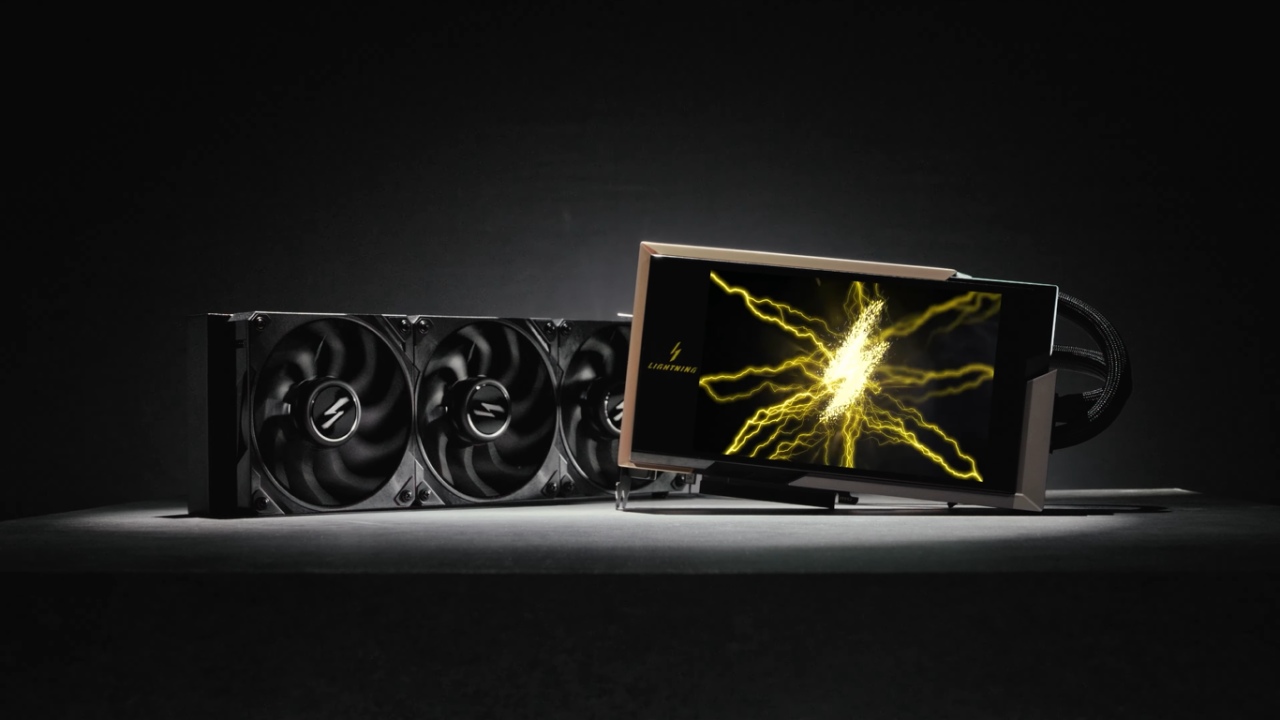
MSI’s RTX 5090 Lightning debuts at $5,090 with extreme power delivery and 360mm AIO cooling
Hardware by Masaru Hoshino on Feb 15, 2026
The tech market will still be going to the limits in 2026. MSI just unveiled one of the most powerful consumer GPUs ever. Memory prices are still way too high, and people are growing more worried about corporations that use AI to spy on them.
For those of us who keep a close eye on the sector, the signs are clear: performance is improving quickly, but trust and affordability are going in the opposite direction.
.jpg)
MSI RTX 5090 Lightning Breaks Price Barriers
MSI's RTX 5090 Lightning debuted at an eye-watering $5,090. What once sounded like an exaggerated prediction has materialized into a limited-production reality, with only 300 units available through a lottery-style purchase system.
From an engineering standpoint, the card is undeniably impressive. Reviews, including coverage from Hardware Unboxed, highlight its overbuilt PCB design featuring a binned GB202 die and 40-50amp power stages. Dual 12V-2x6 connectors power the card, enabling an 800W default VBIOS and a 1000W extreme VBIOS. MSI also offers a 2500W LN2 VBIOS upon request, though using it voids the warranty.
Cooling duties are handled by a 360mm AIO equipped with a full-cover copper block that cools the GPU, memory, and power delivery components. Under heavy overclocking and stress testing, temperatures reportedly stay within the 50-60°C range. Performance and acoustics appear to be among the best available in the RTX 5090 lineup. The bigger question you may be asking is whether any GPU is worth more than double its original MSRP.
The RAM Shortage Shows No Signs of Slowing
At the same time, the RAM shortage continues to distort the broader PC market. A 64GB memory kit now costs roughly the same as a MacBook Air. This comparison underscores just how unbalanced pricing has become.
Much of the strain comes from demand for AI data centers. Memory manufacturers are prioritizing high-bandwidth memory production for enterprise and AI workloads, leaving traditional DRAM supply tighter than many enthusiasts would like. As a result, builders face inflated costs even for mainstream capacity upgrades.
Intel recently introduced ZAM, short for Z-angle memory, developed with SIM Memory. ZAM is not meant for desktop computers; instead, it is an HBM replacement made for AI infrastructure. For most of us who construct or upgrade PCs, it doesn't help us right away, but it does show that the industry is moving toward investing in AI-focused hardware.
Looking Forward
Skepticism has similarly surrounded Nvidia and its collaborations with Palantir Technologies in AI-powered surveillance initiatives. As AI accelerates hardware demand, public awareness of how that technology is deployed is increasing as well.
For those of us invested in PC hardware, 2026 presents a complicated landscape. You are seeing amazing things happen in GPU engineering and AI innovation. Still, you are also dealing with rising prices, limited availability, and greater concerns about how advanced technology is used beyond gaming rigs and workstations. It has never felt more precarious to strike a balance between advancement and access.
Also, check our other hardware articles:
- AMD Ryzen 9 9950X3D Review: Setting The Standard For 2025 Gaming CPU
- Amazon Luna 2025 Review: Is Prime Gaming's Cloud Service Your Go-To For Casual Fun?
- AMD RX 9070 XT Review: AMD's RDNA 4 Champion for 1440p Gaming
- GeForce Now Ultimate: Ditching Your Gaming PC For Cloud RTX 4080 Power?
- NVIDIA GeForce RTX 5080 Review (2025): Still A 4K Gaming Powerhouse?
- Intel Core Ultra 9 285K Review And Performance Breakdown (2025)
- AMD Ryzen 7 9800X3D Review: 3D V-Cache Goes God Mode with Stunning Gaming Performance
- Intel Core Ultra 9 285K vs AMD Ryzen 7 9800X3D: In-Depth Gaming Performance and Benchmark Comparison
- NVIDIA GeForce RTX 5080 Super Performance In Cyberpunk 2077: Path Tracing & DLSS 4.0 Tested
- AMD Radeon RX 9070 XT In Cyberpunk 2077: Ray Tracing & FSR 4.0 Tested
- Intel Arc B580 Review: The $250 GPU Revolutionizing 1440p Gaming
- Intel Arc B570 Vs. B580: Value, Specs, And Real-World Gaming Performance
- RTX 5090 Laptop Vs. M4 Max MacBook Pro: Ultimate Raw Performance Vs. Battery Endurance
- Intel Arc b580 Vs. RTX 4060: Game Performance And Value Analysis
- RTX5090 Hell Is Us Demo 4K Ultra Benchmark: DLSS Vs. Native Performance Guide
- NVIDIA RTX 5070 Review: Mid-Range Muscle or Marketing Hype?
- Nintendo Switch 2 Review: Handheld Performance, Features & Value Breakdown
- RTX 5070 Ti Review: Performance, Thermals & Power Efficiency Tested
- Samsung Odyssey OLED G81SF Review 2025: Ultimate 32-Inch QD-OLED Gaming Monitor
- AMD RX 9070 Performance Review: Thermals, Clocks, and Real-World FPS
- AMD Ryzen 5 7600 Review: Best Budget Gaming CPU of 2025?
- AMD Radeon RX 7800 XT Review: RDNA 3 Power For Midrange Gaming
- Asus ROG RTX 5090 Astral OC Vs. Founders Edition: The 4K Gaming Benchmark
Editor, NoobFeed
Gaming Hardware Updates
No Data.