
Ocarina of Time Remake: 3 Things You Should Do Before It Releases on November 5
With the remake bringing major changes to how you explore Hyrule, returning to the original, learning gyro aiming, and brushing up on your favorite melodies could make your return to Zelda's classic adventure even better.
News by Mahi Araf on Oct 19, 2026
The Ocarina of Time remake arrives November 5, and as the release date nears, do these three things before diving back into the legendary Zelda adventure. Whether you played it as a kid or haven't played it in years, taking some time to prep could make the remake even more enjoyable.
If you haven't already, start by learning gyro aiming. The Legend of Zelda: Breath of the Wild and Tears of the Kingdom introduced motion controls to many players, but if you're still sticking with traditional stick controls, now's a good time to try something new.
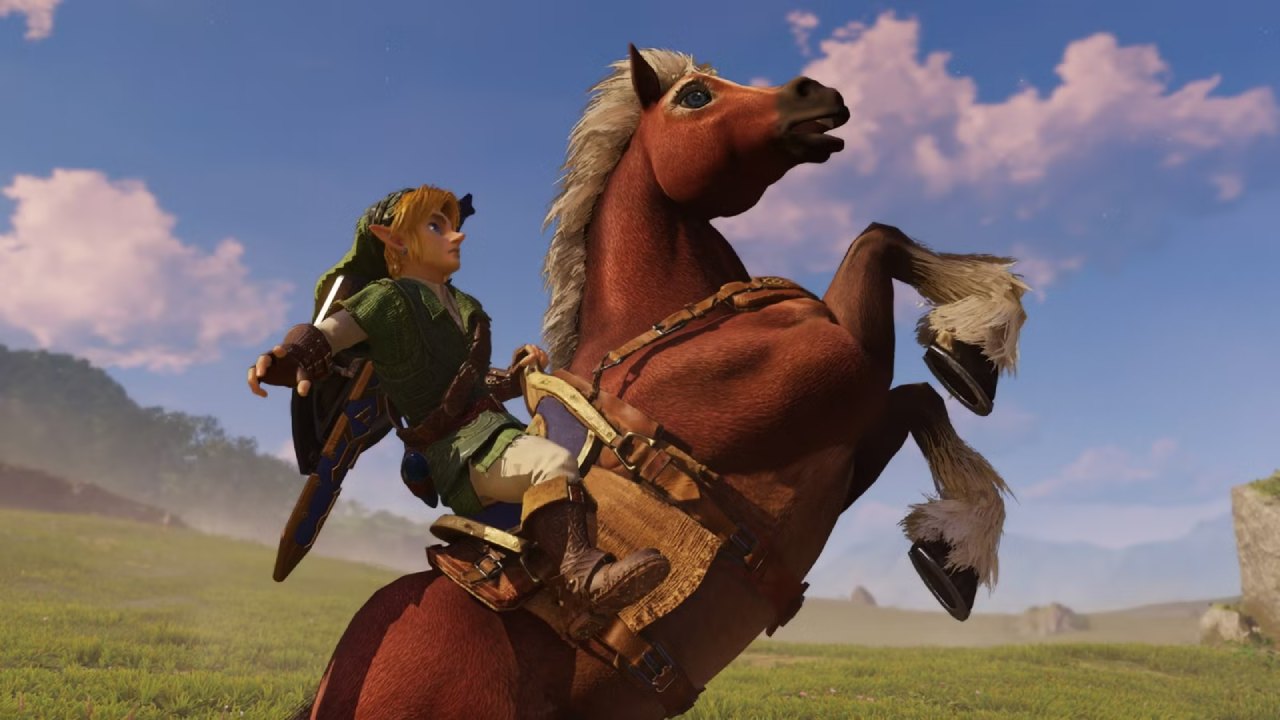
Gyro aiming takes some getting used to, especially if you've spent years using traditional controls. But once you get used to it, you may find it hard to go back to sticks alone. Motion controls can also feel more natural for aiming, since you can use the analog sticks for bigger movements and your wrists for smaller, more precise ones.
Traditional stick aiming can sometimes make these small adjustments frustrating.
You move your aim toward a target, overshoot it, then have to move it back. This back-and-forth process becomes especially noticeable in games that require accurate aiming, and Ocarina of Time has several moments where precision matters.
The minigames are a good example of where gyro aiming could prove useful. Instead of relying entirely on the sticks for tiny adjustments, you can use them to roughly position your aim, then use motion controls to line up the shot. It may take practice before the technique feels comfortable, but learning it ahead of the remake's release could make these sections smoother.
Gyro aiming could also help with enemies too far away to lock onto. In the original game, Z-targeting allows you to lock onto nearby enemies, but it doesn't work for every target at every distance. If the remake retains similar limitations, you'll still need to aim manually at enemies beyond your targeting range.
Those pesky Keese flying in the distance could be easier to deal with with more precise aim control.
The same applies to Hookshot targets and the golden and silver eyes that you need to shoot to open certain doors. Since you can't always rely on Z-targeting for these objects, getting comfortable with motion controls beforehand can save you frustration.
Nintendo has experimented with gyro aiming for years, and motion controls have become a key part of several console games. If you've never given them a proper chance, the Ocarina of Time remake could be the perfect excuse to start. You don't need to master the technique immediately, but spending some time learning it before November 5 could make your return to Hyrule feel more comfortable.
Second, revisit the game's melodies and, if you're interested, learn to play them on a real instrument.
One of Ocarina of Time's most distinctive features is how closely it integrates music and gameplay. The melodies are more than background music for your adventure. They're tools that let you talk to the world, talk to certain characters, and get to certain parts of the game.
Songs such as Zelda's Lullaby and the Song of Storms are memorable for a reason. They become an essential part of your journey, and learning them feels different from simply remembering which buttons you need to press on your controller.
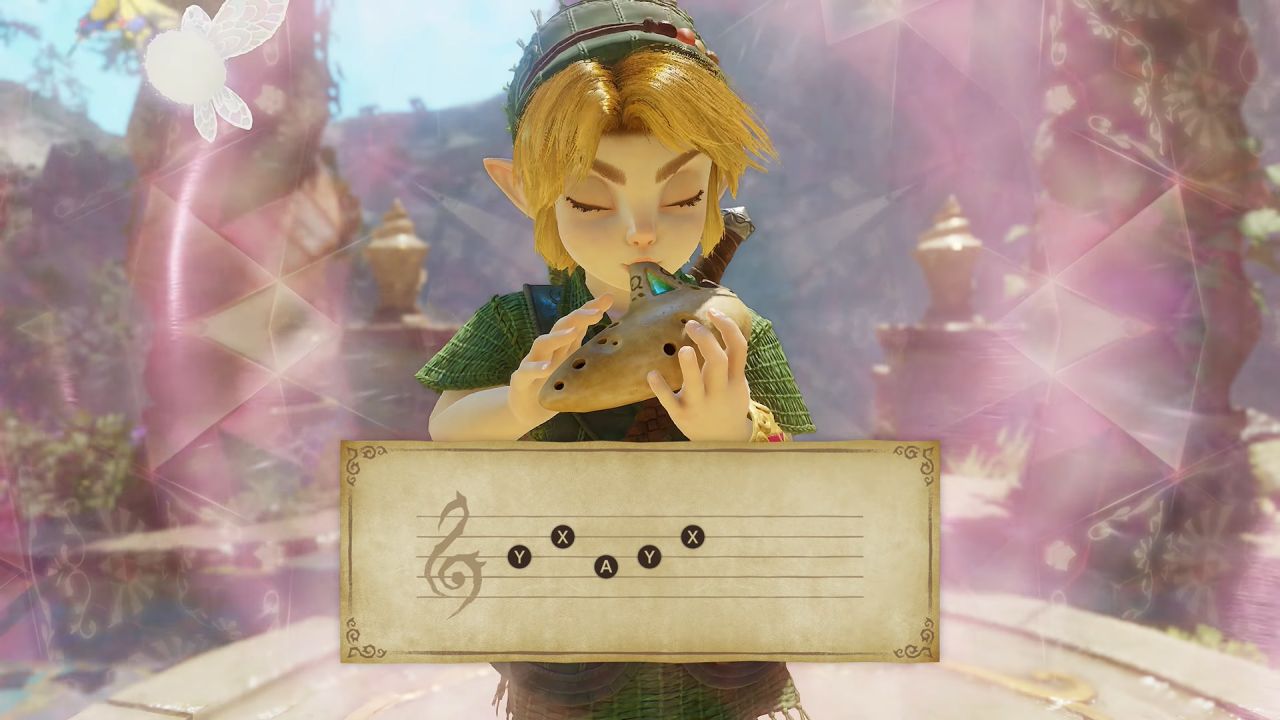
If you have a guitar or ukulele sitting in your closet, or even a piano that you haven't played in a while, this could be a good opportunity to pick it up again. You don't need to become an experienced musician to enjoy the process. Some melodies are relatively short, making them approachable if you want to learn a few familiar tunes. Zelda's Lullaby, for example, has six notes, while Bolero of Fire has eight.
These melodies are simple enough to give you a starting point, especially if you want to try playing them on an instrument before returning to the game.
Nintendo is also expected to let players hum the melodies in the remake, adding another way to interact with this part of the experience. That feature could make the musical elements even more interesting, particularly for players who enjoy the connection between the game's soundtrack and its mechanics.
Even if you don't plan to learn the songs on an instrument, it's worth reviewing them beforehand. If the remake retains the original game's approach to music, you'll use these melodies to travel to different places and progress through your adventure. Knowing what each song does might help you get back into the game's rhythm without relearning everything from scratch.
Third, before you play the remake, go back and play the original The Legend of Zelda: Ocarina of Time. If you have a Nintendo Switch Online subscription, you can access the original through the Nintendo 64 game library and spend some time exploring Hyrule again.
You don't need to complete the entire adventure, but returning to the game can help you appreciate how much the remake changes.
For many players, Ocarina of Time is a childhood memory. You might remember the story, the characters, the dungeons, and the feeling of exploring Hyrule for the first time. However, if you haven't played it in years, you might not remember how the original actually feels to control.
The camera, movement, menus, and combat are all worth revisiting. These elements helped define the experience at launch, and many players accepted its limitations because that's what gaming was like then. The original was groundbreaking for its time, but that doesn't mean every design element has aged equally well.
The remake will apparently change how you play. But motion controls could give you another way to interact with the game, letting you jump around more freely and move the camera more freely. I think these changes will make you feel a little different about exploring Hyrule than you remember.
However, the familiar places and faces will still be a big part of the experience.
Playing the original first gives you a better point of comparison. Instead of just saying the remake looks different, you'll better understand how its changes affect moment-to-moment gameplay. Going back to the older version can make the improvements really pop when you finally get your hands on the remake.
It might also jog your memory as to the adventure itself. You may recall the main story beats, but you may forget where some Heart Pieces are, the order of some quests, or where you need to go at certain points in the game. Going back to the original could help you recall the temples, dungeons, characters, and other important details without having to re-figure everything all the time.
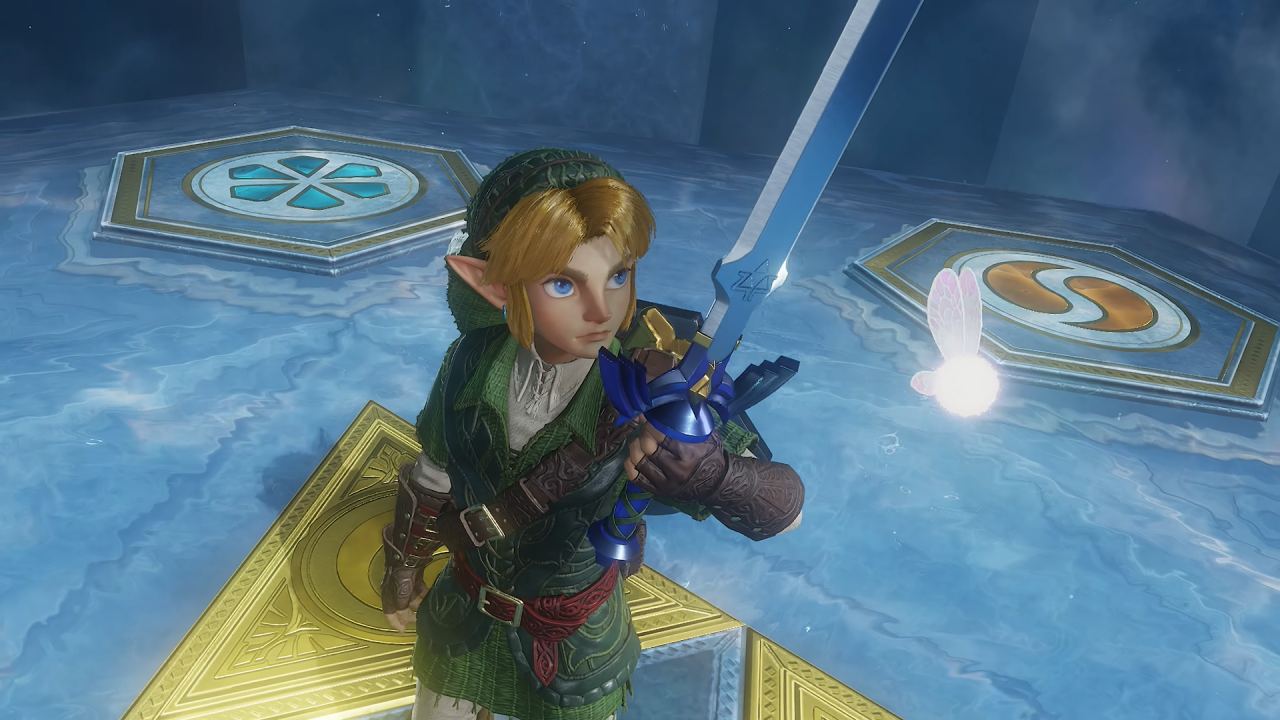
You don't need to replay the whole game to experience these benefits.
Going back to the Deku Tree, exploring Hyrule Field, visiting Hyrule Town, or finishing a favorite dungeon or quest might be enough to bring back some of those memories. The idea is to get you back into the original, not to spend hours completing every objective before the remake arrives.
It might be especially rewarding to return to places you know and see what Nintendo has changed. Seeing how the remake handles locations you've visited many times can make the experience feel more special, especially if you have a strong connection to the original game.
With the November 5 release date approaching, you still have time to prepare without making a huge commitment. Learning gyro aiming might make combat and aiming challenges easier, revisiting the melodies might help you reconnect with one of the game's defining mechanics, and playing the original might help you appreciate the remake's changes more.
You don't have to do all three before the game releases, but each one offers a unique way to get ready for your return to Hyrule. If you've been putting off playing Ocarina of Time again, these little steps could make the remake an even more rewarding adventure.
Senior Editor, NoobFeed
Related News
No Data.