
Why the Next PlayStation Might Break the $1,000 Barrier
Other by Tess Meijer on Sep 23, 2026
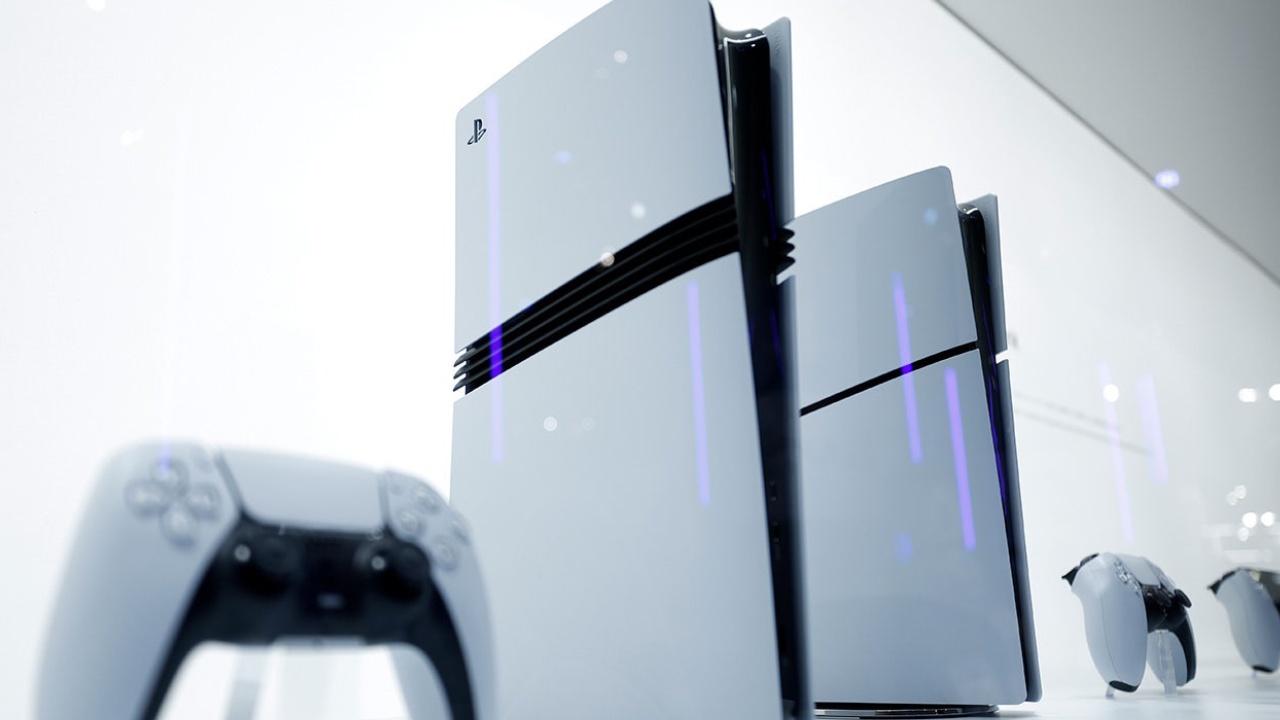
We’re all pretty curious about the PS6, but Sony hasn’t given us any idea of what it will cost yet. Rumors already point to a four-figure price, though, and that won't sit well with everyone. Analysts and leakers keep circling numbers well above $600. Some estimates push past $900. A few go further still.
It's a major change. Sony launched the PS5 at $499 in 2020. If the PS6 reaches anywhere near $1,000, that's about double the price in half a decade. Something must have changed, and it can't have been merely inflation playing its usual, ordinary role in the background.
Why Console Prices Keep Climbing
A few forces are stacking on top of each other at once. Chip costs have gone up industry-wide, driven by demand from AI hardware pulling manufacturing capacity away from consumer electronics.
Tariffs on components sourced from certain regions add another layer of cost that manufacturers didn’t have to absorb a few years back. Next-gen hardware also needs more powerful parts to hit the performance targets players now expect as standard.
Sony has been unusually open about this pressure. The company already raised PS5 prices multiple times in different regions, citing exactly these cost pressures each time. That’s not typical console behavior. Historically, prices drop over a console’s life as manufacturing gets cheaper. Seeing prices climb instead, mid-generation, is a signal worth paying attention to.
What a $1,000 Console Actually Means for Players
A price that high changes who buys a console at launch. Game enthusiasts and early birds will still show up regardless. Casual players, families, and anyone on a tighter budget start asking a very different question. Not “which console,” but whether they can afford a console at all this year.
The fact is now evident in how people talk about major purchases like this; ten years ago, preorders, installment plans, and the ability to buy now and pay later weren't ordinary features of console launches.
Retailers know a chunk of their buyers need to spread a purchase like this across a few paychecks, not pay it all upfront on launch day.
Small Payments are Becoming the New Normal Everywhere
This pattern isn’t limited to consoles. Plenty of digital spending now happens in small, controlled amounts rather than one big transaction. Prepaid vouchers and low-minimum deposit methods have grown across all kinds of online spending for exactly this reason.
Something like a Cashlib casino 5 euro deposit works on the same basic logic as buying a five-dollar Steam wallet top-up instead of loading fifty dollars at once. It’s the same instinct that shows up across modern casino banking methods: smaller, more frequent transactions feel safer and more controllable than one large payment, whether someone’s funding a game library or anything else online.
Console manufacturers have also noticed this shift. Nowadays, digital stores rely on small, gradual purchases—for example, spending five dollars here on a cosmetic and twenty there on a season pass—rather than asking for a large sum all at once. A console costing a thousand dollars goes against this trend, which is one reason flexible payment methods are now a real feature of the sales approach rather than a minor note.

How Publishers and Retailers are Adjusting
Retailers are already paying more attention to price, rather than making specs the main selling point. Preorder deposits, often a small fraction of the total price, let buyers lock in a unit without paying the full amount upfront. Trade-in programs for older consoles have also gotten more aggressive, effectively subsidizing part of the cost for players willing to give up their PS5.
According to NoobFeed’s coverage of rising console prices, manufacturers increasingly know that a launch price alone can determine whether a console has a strong opening month or a sluggish one, which puts real pressure on Sony to get the number right rather than defend whatever the hardware costs to build. Getting this wrong doesn’t just annoy players. It can shape a console’s entire first-year sales momentum.
What Happens If the Price Lands Too High
The PS3 is a good example. It launched in 2006 at $599, and that high price didn’t help when the cheaper Xbox 360 sat alongside it. Sony spent years clawing back that early momentum. Nobody at the company wants to repeat that mistake, and yet the cost pressures pushing toward a higher PS6 price are, in some ways, even stronger now than they were back then.
A recent analysis by GamesCreed of console-pricing trends shows a similar tension developing across the industry, not just at Sony. Component prices are rising everywhere, and as a result each manufacturer is quietly working out how much of that added cost it can pass on to customers before consumers decide not to buy at launch and instead wait for a price reduction.
Where This Leaves Players
Nothing here is locked in yet. Sony could still land somewhere more reasonable than the worst rumors suggest, and companies routinely walk back price expectations once an actual announcement happens. But the direction of travel is hard to ignore. Consoles are getting more expensive to build, and that cost has to land somewhere.
What players should take away is not to panic about a figure that hasn't been officially confirmed. Rather, they should watch how payment flexibility develops relative to the sticker price, since a $1,000 console with genuinely flexible payment options has a very different financial implication than the same-priced console with no payment options.
Moderator, NoobFeed
Latest Articles
No Data.