
PlayStation 6 May Slip Past 2027 as Sony Balances Hardware and Market Reality
PlayStation 6 launch expectations face growing scrutiny as economic pressures and long hardware development cycles continue shaping Sony’s strategy.
Hardware by Masaru Hoshino on Feb 02, 2026
There has been a lot of talk lately about when the PlayStation 6 will come out, thanks to comments from people in the gaming and business worlds. Analysts, developers, and those who observe the business have all had their say, which has led to more discussion about whether the next generation of consoles is coming later than planned.
The conversation picked up speed when an analyst report said that Sony would extend the life of the PlayStation 5, which could mean that the PlayStation 6 will come out later than most people thought.
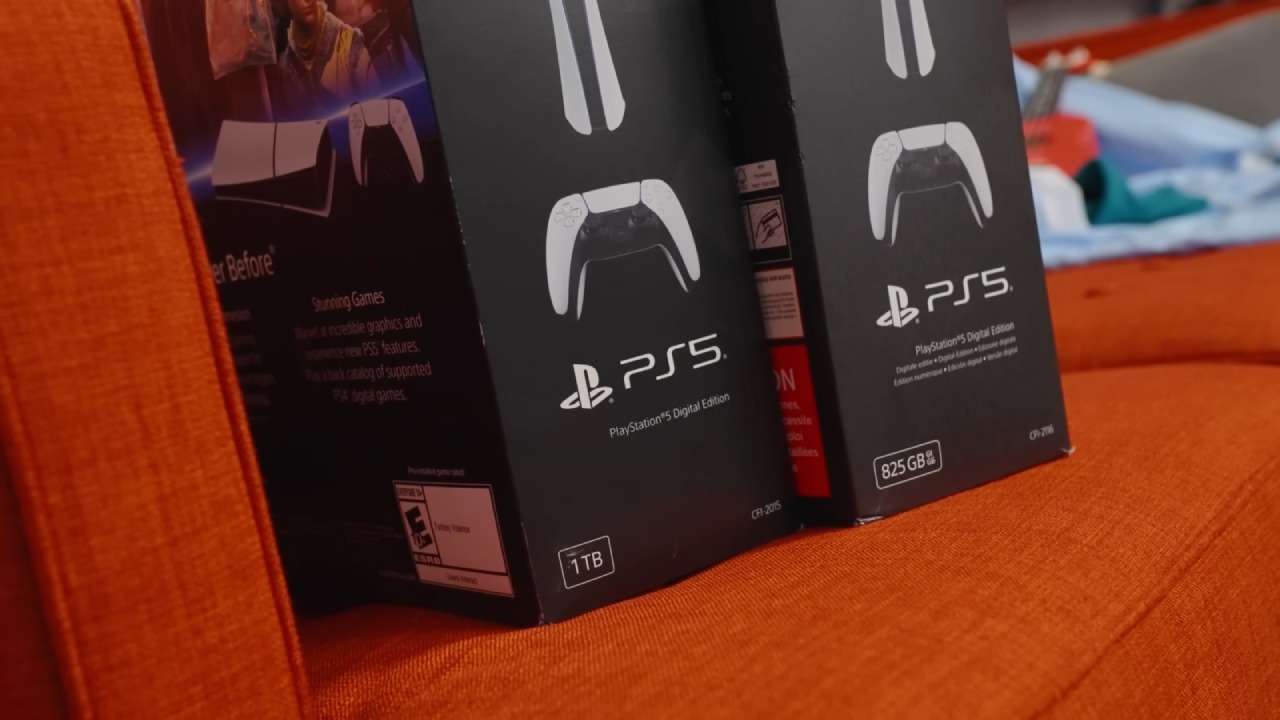
It is crucial to make clear that this information does not come from a rumor or leak from someone who works there. Instead, it shows what analysts think depending on the state of the market as a whole. Sony has not said anything officially about a delay.
Still, the theory fits with recent reports that say console makers are changing their deadlines because of economic pressures, unstable component prices, tariffs, and problems with production around the world.
Real Economic Reason for Console Timing
Like all hardware makers, Sony is dealing with a cost environment that is getting more and more complicated. Prices for RAM and storage are still a big worry, and these parts are a big part of the bill of materials for newer consoles.
It's not good for consoles to be excessively expensive, but it's also not good for them to sell hardware at a big loss. In the past, Sony has been okay with losing money on hardware at first, but not to the same extent as during the PlayStation 3 era.
The business strategy has also altered, though. Subscriptions, microtransactions, and digital sales on the PlayStation Network now bring in a lot of money. The current generation is one of the most profitable that Sony has ever had, which should provide the corporation with additional options. Still, as a public company, Sony has to find a balance between what shareholders want and the sustainability of the platform in the long run.
Long-Standing Expectation for Holiday 2027
For a long time, people have thought that the PlayStation 6 would come out in the holiday season of 2027. That would fit well into the 7-year console cycle that has been in place since the PlayStation 3 era. Earlier generations progressed faster, but the length of each generation has grown a lot because of longer development times and more complicated electronics.
Many players are fine with waiting until 2028 or even later, based on what I've heard. It's easy to see why. Supply problems pushed down the launch of the PlayStation 5 generation by about two years. Now, game development cycles sometimes last five, six, or even seven years. During this cycle, a number of big studios have not yet released a real next-generation title.
From that point of view, there are a lot of games to play. There are still huge backlogs, and new technology like the PlayStation 5 Pro still has a lot of promise that hasn't been used yet.
Where the Conflict Begins
Even though most people agree that a delay is okay, there is more and more disagreement within the company about the idea of putting PlayStation 6 too far into the future. A delay until 2028 seems fair, but pushing it out until 2029 or 2030 brings up new issues. The more Sony delays, the more the gear it has already created will be out of date compared to other technologies.
The hardware for consoles is set years before they come out. Redesigning a system-on-chip is not easy once it is finished. There are long-term contracts, pledges to make things, and big research and development partnerships. Through Project Amethyst, Sony has been extremely open about working with AMD. This project is the basis for both hardware design and AI-driven technologies like current upscaling solutions.
State of PlayStation 6 Hardware Development
According to stories that are going around, the development of PlayStation 6 is already well underway. The system-on-chip is said to have passed tape-out, which is the last step before sending the final design to be made. If true, this signifies that the core hardware is basically ready.
There have been rumors about the specs that have been made public. These include a GPU based on RDNA5 with 54 compute units, a CPU with eight Zen6 cores and two low-power Zen6 cores, and 40GB of RAM. None of this is confirmed, but the bigger picture is more important than the numbers themselves.
If Sony has already finished the design, postponing the system too long means that the hardware will be stuck while the rest of the industry keeps moving forward.
The advantages of waiting quickly fade away at that point.
Why a Full Redesign Is Not Likely
Some people say that Sony could put off the release of the PlayStation 6 for a long time and completely redesign it around a newer AMD architecture. In principle, that may mean the launch doesn't happen until the 2030s. In reality, this would be a very risky and costly action.
If we had to completely revamp the software, we would have to start over with years of work, renegotiate contracts, and change the software roadmaps. There isn't much proof that Sony wants to accomplish this. Everything that is known in public suggests that the company is already committed to its strategy for next-generation hardware.
Because of this, it makes more sense to put the system out there in a fair amount of time rather than let it sit on the shelf.
Prices, Demand, and How People Buy Things
Another thing people worry about is whether the PlayStation 6 would sell well if it came out in the holiday season of 2027, especially since living costs are going up. Gaming is a luxury, and the costs of living are going up. But historical data shows that demand is still strong.
The PlayStation 5 came out with a higher average selling price than the PlayStation 4, and it has kept up with its sales pace. This shows that people are still willing to upgrade when a good product comes out. Frequent smartphone upgrades have also changed how people think about the life cycles of technology.
If the PlayStation 6 comes out at a lower price than the PlayStation 5 Pro and doesn't see huge price increases, there isn't much reason to think it will do poorly in the market.
PS5 Pro and the Issue of Diminishing Returns
PlayStation 5 Pro makes the topic of the generation gap more complicated. It gets harder to tell the difference between generations when raw performance stops getting better. Looking back, it's fair to ask if a mid-generation refresh was really needed.
That said, the PlayStation 5 Pro is a crucial part of the development of machine-learning technologies like PSSR. These systems set the stage for new features and give engineers time to become used to them. People knew there might be some problems at first, but the long-term benefits may be significant.
Still, every small enhancement takes away from the big jump that a full generational change is supposed to provide.
Finding the Right Balance
In the end, it's all about finding the right balance. It makes sense for Sony to have a small delay that helps them keep expenses and profits in check. It doesn't make sense to wait a long time without making big changes to the hardware. There isn't much benefit to waiting too long to release the PlayStation 6 system-on-chip if it's already done.
From this point of view, holiday 2027 is still the best goal. A move to 2028 makes sense if needed, but anything after that could make the following generation's value proposition worse.
If Sony is sure about its hardware and can sell the system at a price that won't startle customers, it could be wiser to move forward sooner rather than later.
Where Things Likely Stand
From what we know, Sony seems fully committed to its existing plan for the PlayStation 6. The partnership with AMD is strong, the hardware is well into development, and the technological direction is clear. There is still a chance that prices will go up, but there is no sign of a big change in direction.
There may be a short delay at most to protect margins. Besides that, the momentum has already started. The PlayStation 6 is firmly in place, whether the final release comes out in the holiday season of 2027 or is pushed out a little bit.
The key question now is not whether PlayStation 6 is coming, but how Sony will balance timing, cost, and expectations in an industry that is changing quickly.
Also, check our other PS5 Pro articles:
- PS5 Pro vs. PS5 Slim: Frame‑Rate, Graphics & Performance
- PS5 Pro vs. Radeon RX 9060 XT vs RTX 5060 Ti: Ultimate $700 Gaming Showdown
- ASUS ROG Ally PS5 Remote Play | How to do Remote play on PS5 Using Sony's Official Remote Play App
- Stream PS5 Games on Steam Deck OLED: Step-by-Step Installation and Configuration
- AI Upscaling on PS5 Pro: Can PSSR Finally Match DLSS?
- PS5 Pro vs. PS5 Slim vs. PS5 — Design, Storage, Specs, and Gaming
- PS5 Pro vs. Xbox Series X: Specs, Price, Storage, Customization, and Gaming
- PS5 Pro vs. PC Gaming: Comparison of Graphics, Frame Rates, and Price
Editor, NoobFeed
Gaming Hardware Updates
No Data.