
DDR5 Price Surge Breakdown: Demand Myths, Market Trends, and Future Outlook
Non-binding letters of intent create confusion around actual memory demand and contribute to inflated pricing trends.
Hardware by Nahe Yan on Apr 06, 2026
After a protracted rise, DDR5 RAM prices have just started to stabilize. Prices are still expensive, but at least they have stopped going up. More news suggests these prices may soon drop more quickly.
Reports say the company, mostly responsible for the price increase, sent letters of intent to key memory makers to buy a large share of the world's DDR5 supply for use in data centers. These were not contracts that had to be followed; they were just agreements that didn't have to be followed. As we look into this further, it becomes clear that these letters do not require anyone to buy anything, which makes us wonder whether the anticipated demand ever really existed.
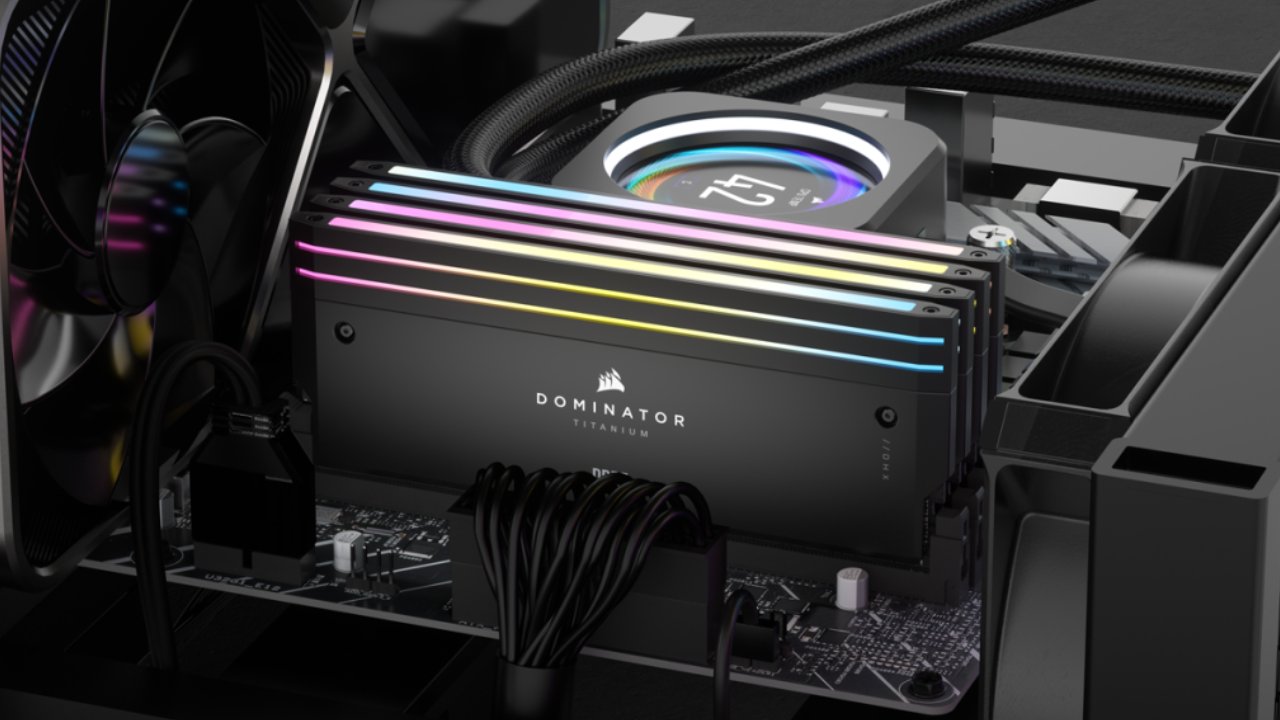
Letters of Intent and Their Effect on the Market
We also see that major initiatives and collaborations are being canceled simultaneously, making the reported intentions for expansion and the actual execution of those goals inconsistent. It could seem strange to you that a group that says it has a lot of money is also backing out of big obligations.
Speculation in the Market and Fake Scarcity
We can start to observe symptoms of market behavior that is based on conjecture. When many people say there will be strong demand in the future, prices tend to rise. But if that demand doesn't materialize, the price rises don't seem to reflect genuine consumption.
You may see this as a mix of dread of missing out and fake scarcity. Prices go up not because there are real shortages, but because people think there will be shortages. Because of this, costs go up, which makes people buy less.
The Past and How the Industry Works
We can relate this situation to prior periods in the memory sector when strategic moves caused significant price fluctuations. In the past, companies used aggressive pricing strategies to control the market and compete with one another.
We now see a similar pattern, prices rise sharply without strong evidence of rising demand. You could observe that these kinds of price changes can affect both current products and people's long-term beliefs about prices remaining the same.
Effects on the Ecosystem of Retail and Products
Retailers have said that their sales have gone down since DDR5 prices are still high. We also notice problems throughout the ecosystem, such as concerns about warranties, interoperability issues, and manufacturers rapidly changing their products.
You might also observe that high prices make people less likely to upgrade, which lowers demand for other PC parts. When memory is expensive, fewer full systems are built, which affects the overall hardware market.
The stock Market and Money Incentives
We see that the stock prices of major memory makers have risen significantly as DDR5 prices have increased. This means that the financial markets are reacting to what they think is an increase in demand, not actual sales.
You can see how these expectations benefit both businesses and investors. Projected demand alone can affect stock performance, even in the absence of actual transactions. This sets up an indirect incentive system in which announcements and plans affect value.
Limits on the Dynamics and Transparency of Private Companies
The problem is more complicated because some of the people involved work privately. It's hard to check statements about buying power or real commitments when there isn't much financial openness.
This lack of visibility lets speculation continue, as we can see. It can be hard to distinguish between real and predicted demand without clear disclosures.
Different Signals from Changes in the Industry
We also see things that don't make sense, like plans to invest that don't turn into action. When many announcements don't lead to action, people lose faith in those signals. This could mean that not all stated intentions lead to actual outcomes, which adds to market uncertainty.
Changes in Technology are Lowering Demand Pressure
Demand is also being affected by new technological advances. Algorithms that make the best use of memory reduce the total RAM required for jobs that process data.
We may observe early repercussions of this change as prices start to decline slightly. You might assume that demand for high-capacity memory could decline further if efficiency continues to improve.
Effects on Used Hardware Markets That Spill Over
The high pricing of DDR5 has also affected secondary markets. We see increased demand for older memory standards, driving up prices for DDR4 and even DDR3.
You could observe that when new technology is too expensive, people switch to outdated options. This raises costs for all generations. This shows how prices in one part of the market can affect the market as a whole.
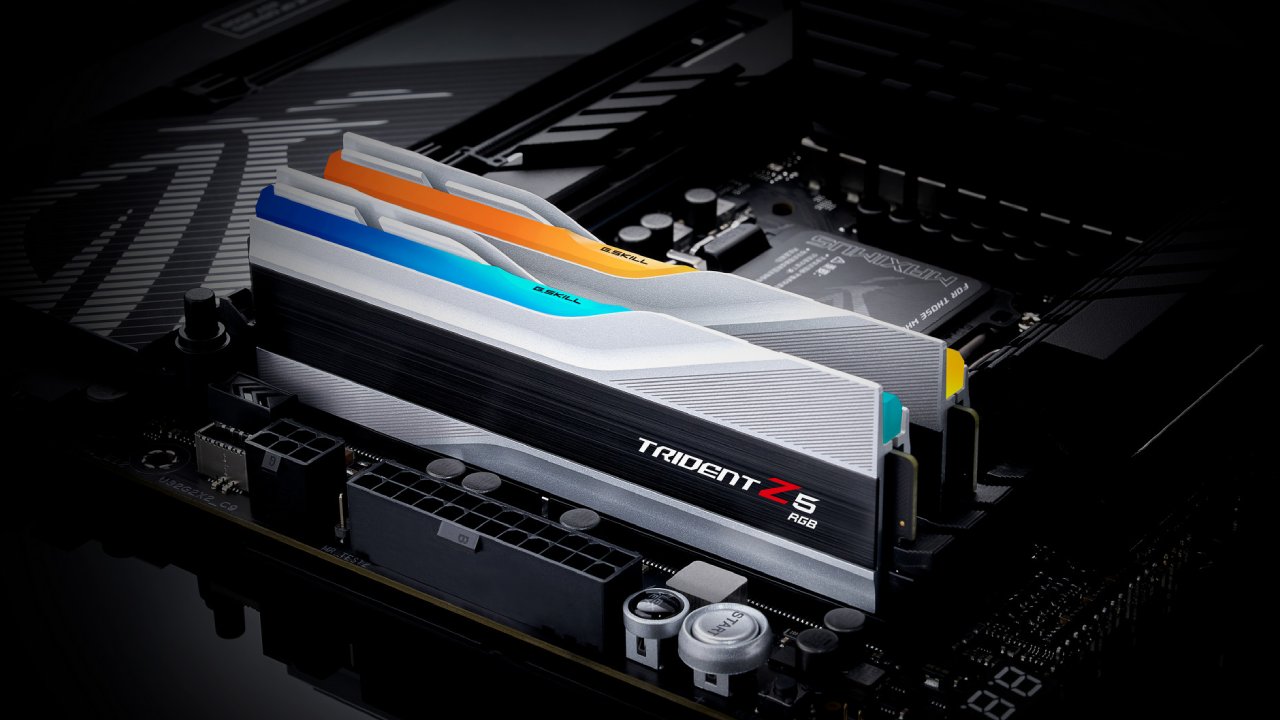
Different Prices for Different types of Hardware
One thing that stands out is that PC part prices are inconsistent. Memory prices have risen significantly, while those for other parts, such as graphics cards and power supplies, have not.
This difference can be used to show that the price increase may not be due to major economic factors. It may seem strange to you that one part has grown so much without the same thing happening in other parts.
Final Thoughts
DDR5 prices have likely peaked and will decline over the next several months. As more information comes out and speculative pressure goes down, prices should be more in line with real demand.
If you've been hoping for better prices, being patient might increase your chances. We think the difference between what people expect to buy and what they actually buy will resolve when the market returns to normal.
Also, check our other hardware articles:
- AMD Ryzen 9 9950X3D Review: Setting The Standard For 2025 Gaming CPU
- Amazon Luna 2025 Review: Is Prime Gaming's Cloud Service Your Go-To For Casual Fun?
- AMD RX 9070 XT Review: AMD's RDNA 4 Champion for 1440p Gaming
- GeForce Now Ultimate: Ditching Your Gaming PC For Cloud RTX 4080 Power?
- NVIDIA GeForce RTX 5080 Review (2025): Still A 4K Gaming Powerhouse?
- Intel Core Ultra 9 285K Review And Performance Breakdown (2025)
- AMD Ryzen 7 9800X3D Review: 3D V-Cache Goes God Mode with Stunning Gaming Performance
- Intel Core Ultra 9 285K vs AMD Ryzen 7 9800X3D: In-Depth Gaming Performance and Benchmark Comparison
- NVIDIA GeForce RTX 5080 Super Performance In Cyberpunk 2077: Path Tracing & DLSS 4.0 Tested
- AMD Radeon RX 9070 XT In Cyberpunk 2077: Ray Tracing & FSR 4.0 Tested
- Intel Arc B580 Review: The $250 GPU Revolutionizing 1440p Gaming
- Intel Arc B570 Vs. B580: Value, Specs, And Real-World Gaming Performance
- RTX 5090 Laptop Vs. M4 Max MacBook Pro: Ultimate Raw Performance Vs. Battery Endurance
- Intel Arc b580 Vs. RTX 4060: Game Performance And Value Analysis
- RTX5090 Hell Is Us Demo 4K Ultra Benchmark: DLSS Vs. Native Performance Guide
- NVIDIA RTX 5070 Review: Mid-Range Muscle or Marketing Hype?
- Nintendo Switch 2 Review: Handheld Performance, Features & Value Breakdown
- RTX 5070 Ti Review: Performance, Thermals & Power Efficiency Tested
- Samsung Odyssey OLED G81SF Review 2025: Ultimate 32-Inch QD-OLED Gaming Monitor
- AMD RX 9070 Performance Review: Thermals, Clocks, and Real-World FPS
- AMD Ryzen 5 7600 Review: Best Budget Gaming CPU of 2025?
- AMD Radeon RX 7800 XT Review: RDNA 3 Power For Midrange Gaming
- Asus ROG RTX 5090 Astral OC Vs. Founders Edition: The 4K Gaming Benchmark
Editor, NoobFeed
Gaming Hardware Updates
No Data.