
Why 24GB VRAM Could Become Essential for PC Gaming?
PS6-era gaming could demand high-end GPUs with larger VRAM capacities to maintain 60fps performance across future releases.
Hardware by Nahe Yan on Aug 15, 2026
It's still not clear what hardware the next generation of consoles will need, especially when it comes to memory size and GPU speed. A PC built today could run PS6 games at 60 fps on the best settings, but VRAM may become more important than graphics performance. The question is what PC specs you could buy today to be reasonably confident that games targeting the PS6 generation would run at optimized settings and 60fps.
A Ryzen 9700 XT, an RTX 5070 Ti, and 32GB of RAM could fit the bill, but memory is a concern. We think the only graphics card that could confidently fulfill the next-generation specification is the RTX 5090. The issue is that we don't know how much RAM the next-generation consoles will ship with.
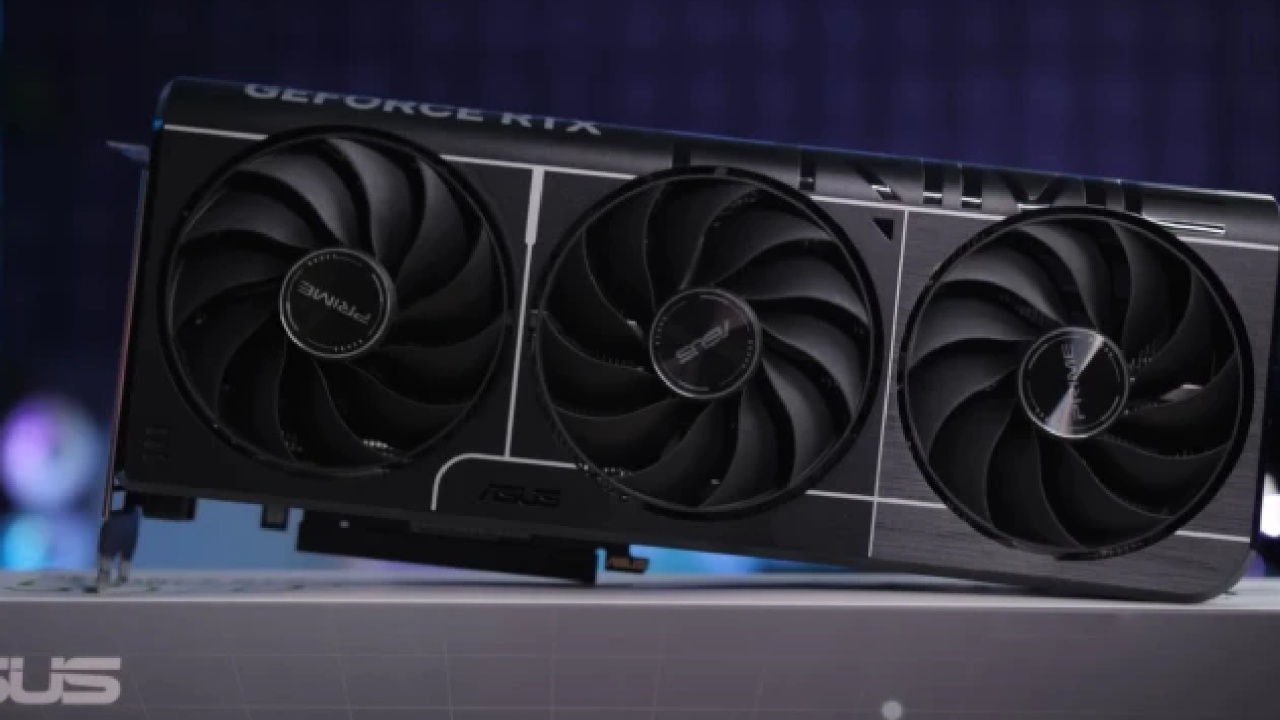
RTX 5090 Could Be the Safe Choice
If next-gen consoles follow previous generations and ship with a RAM surplus relative to common PC graphics hardware, GPU requirements could change. If the PS6, for instance, ships with 30GB, as rumored, or if the Helix ships with 36GB, as mentioned in the rumor mill, a 5070 Ti may not be enough.
We also suspect that a 5080 would not be sufficient. If you want a card that will last through the first few years of that console generation while running games at console-equivalent settings or better, you'll want around 24GB of memory. A 4090 could be sufficient in that case, so the 4090 and 5090 would be options on the NVIDIA side.
CPU Requirements Could Be Lower
On the CPU side, a Ryzen 9700 XT should be comfortable. We don't expect the consoles to be that fast in CPU terms. They could be similar to a mid-range CPU from a few years ago. The consoles may not be that fast, especially when considering the memory issue, clock speeds, and optimization primarily for GPUs. A Ryzen 9700 XT should therefore be comfortable for the next generation.
RTX 5070 Ti could also be comfortable, but it may not be sufficient if the consoles use an outsized RAM allocation. That has happened with previous console generations, and it could happen with the PS6 as well. The interesting part is that the concern does not necessarily come from horsepower. It comes from memory.
During a memory crisis, the main changes that Microsoft and Sony can make to the baked-in designs may involve reducing memory. System-on-chip designs cannot easily change beyond things like clock speeds. That makes the memory capacity an important part of the discussion.
The 50-series Super line could have changed this situation. A 24GB 5080 and a 24GB 5070 Ti Super would have given PC users options for more VRAM. Those cards could still arrive, but current information doesn't make that look likely.
In terms of horsepower, the RTX 5070 Ti would probably be a good place to be. CPU requirements could also remain manageable. Zen 6 is not fully understood yet, but console CPUs have traditionally been a compromise area, particularly over the last couple of generations.
We would not be surprised if a current mainstream CPU could do the job. The leaked Magnus specifications also suggest that many cores could handle the workload. For system memory, 32GB would probably do the job. Ultimately, everything will come down to the final designs of these consoles. Some parts can be changed to lower the bill of materials, while others cannot.
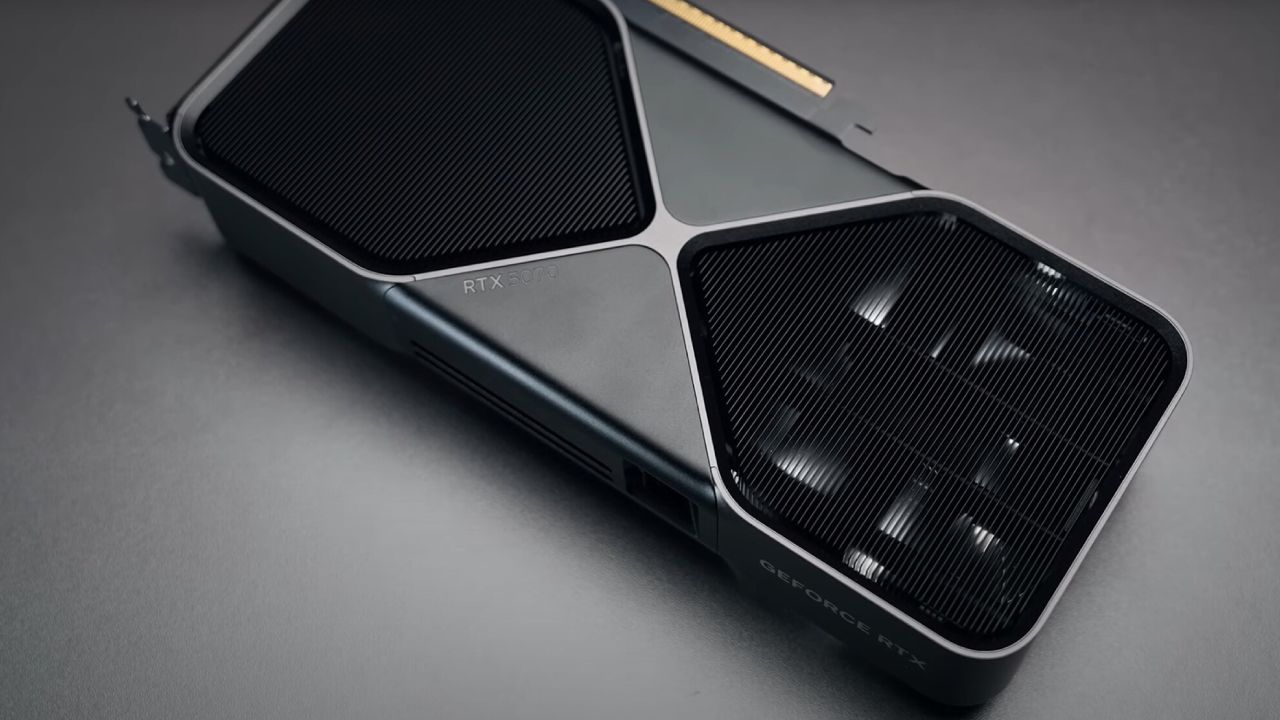
Looking Back at the PS5 and Xbox Series X
A useful way to approach the question is to look back to 2020, when the PS5 and Xbox Series X launched. The highest-end graphics card available then was the RTX 3090. If someone bought an RTX 3090 and a CPU from that year, the system would still be newer than a 5090 is now in terms of the comparison being made.
In modern-game benchmarks, the 3090 seems like it would have provided a good experience through most of this generation. Games such as Assassin's Creed Shadows, Black Myth: Wukong, Alan Wake 2, and similar titles show where the limits start to appear. RTX 3090 can run these games, but performance can fall below 30fps at high resolutions and settings.
Dropping the resolution can improve performance and make the experience closer to the console side. Assassin's Creed Shadows, for example, performs well on consoles without requiring native 4K on PC. From what we can see, buying a 3090 in 2020 would have provided a good experience through most of this generation. It has 24GB of VRAM, which makes it a useful example for the next generation.
The RTX 3090 comparison also shows why 24GB of memory matters.
If someone had bought a 3070 instead, the system could run out of memory, and performance would take a noticeable hit. Some high-end games remain playable on the 3090 but are much less smooth on the 3070. That is why, if you are truly serious about getting something that will last, the choice may have to be one of the high-end cards.
Looking at the previous generation, the RTX 3090 provides a useful example of what happens when a high-end GPU with 24GB of VRAM is purchased before a console generation begins. It can continue running games through most of that generation, although newer games can eventually push it below the performance targets used at launch.
The same principle could apply to the next generation. A 5070 Ti could provide enough horsepower, and a Ryzen 9700 XT with 32GB of system memory could be enough on the CPU and system-memory side. The uncertainty is the VRAM allocation used by the next-generation consoles. If the consoles use around 20GB, 12GB and 16GB graphics cards become more reasonable. If they use 30GB or 36GB, a 24GB GPU becomes a safer choice.
That leaves the RTX 4090 and RTX 5090 as the NVIDIA cards that could provide the memory capacity and performance needed to remain comfortable through much of the next console generation. The final answer, however, will depend on the memory capacity, CPU configuration, and GPU design of the consoles themselves.
Editor, NoobFeed
Gaming Hardware Updates
No Data.