
NVIDIA RTX 5070 SUPER Leak Suggests 18GB GDDR7 VRAM Upgrade With Higher Power Draw
A larger 18GB GDDR7 memory configuration positions the RTX 5070 SUPER as a stronger long-term mid-range graphics card.
Hardware by Masaru Hoshino on Jul 30, 2026
For years, one of the greatest criticisms of NVIDIA's standard GeForce lineup has been its memory capacity. Although GPU architectures have continued to improve, VRAM allocations have often lagged for ever-demanding AAA games, higher-resolution texture packs, ray tracing workloads, and the growing popularity of local AI applications.
The latest leaks suggest NVIDIA may finally be addressing that criticism with the GeForce RTX 5070 SUPER. Instead of delivering another modest refresh, the rumored card reportedly combines a fully enabled GB205 GPU with a substantial leap to 18GB GDDR7 memory—precisely the kind of specification many enthusiasts expected from the original RTX 5070.
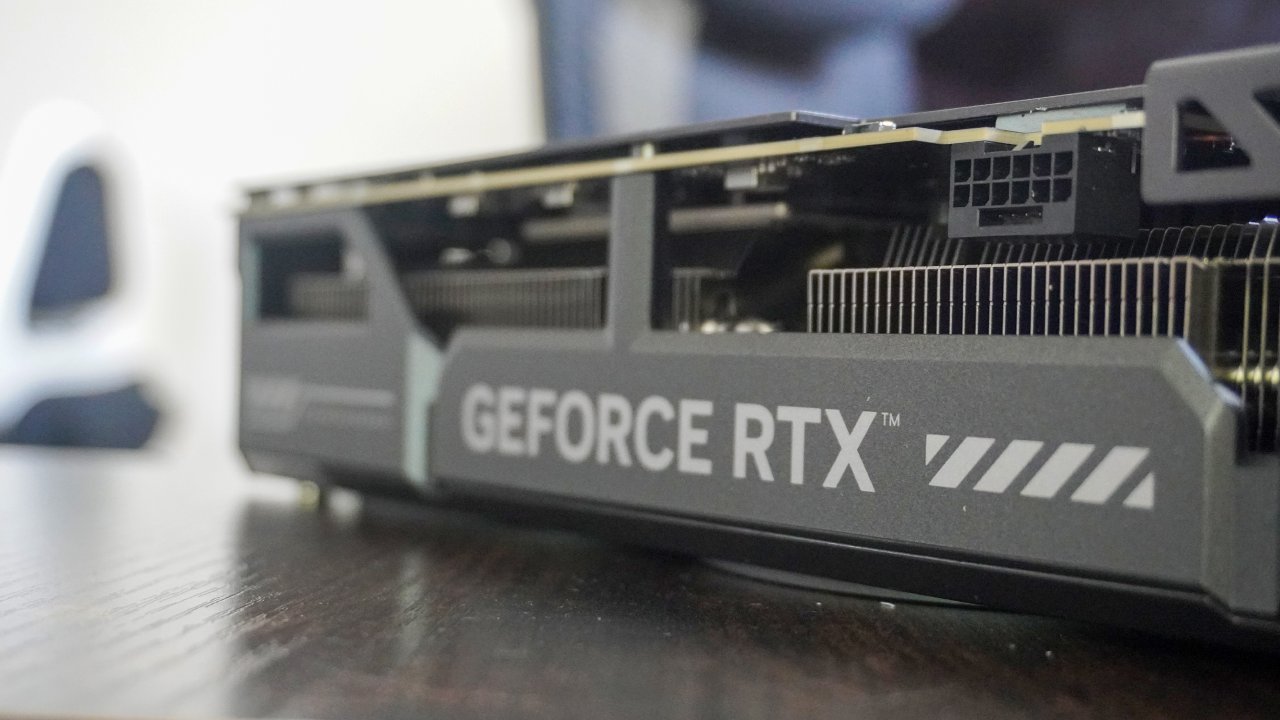
Unfortunately, impressive specifications do not guarantee a retail launch. Reports indicate the hardware is effectively finished, yet NVIDIA has reportedly placed the product in limbo as soaring GDDR7 prices and a worsening DRAM supply crunch complicate the business case for releasing the card.
The Full GB205 GPU Finally Arrives
A Small Compute Upgrade With Better Silicon Utilization. According to the latest leak roundup, the RTX 5070 SUPER abandons the cut-down configuration used by the standard RTX 5070 in favor of the fully enabled GB205-400-A1 graphics processor. While the computational increase appears relatively modest on paper, it still represents a cleaner implementation of the silicon.
Reported RTX 5070 SUPER specifications include:
- Full GB205-400-A1 GPU
- 50 Streaming Multiprocessors (SMs)
- 6,400 CUDA cores
- Roughly 4.2% more CUDA cores than the standard RTX 5070
- 275W TBP, representing approximately a 10% increase in board power
From a gaming perspective, this isn't the kind of upgrade that transforms performance overnight. A 4% increase in shader resources typically translates into relatively small frame-rate improvements unless accompanied by higher boost frequencies or memory-sensitive workloads.
Instead, the compute increase primarily ensures buyers receive the complete version of the silicon rather than another partially disabled GPU.
NVIDIA May Finally Be Listening to Enthusiasts
The biggest headline is unquestionably the memory subsystem. Rather than retaining the original 12GB configuration, the RTX 5070 SUPER reportedly upgrades to 18GB GDDR7 while maintaining the existing 192-bit memory bus. This becomes possible thanks to next-generation 3 GB GDDR7 memory modules, allowing NVIDIA to install six memory chips totaling 18 GB without redesigning the bus width.
The memory itself is expected to operate at 28 Gbps, preserving extremely high bandwidth while dramatically increasing capacity. For PC enthusiasts, this change is arguably more meaningful than the relatively small CUDA core increase.
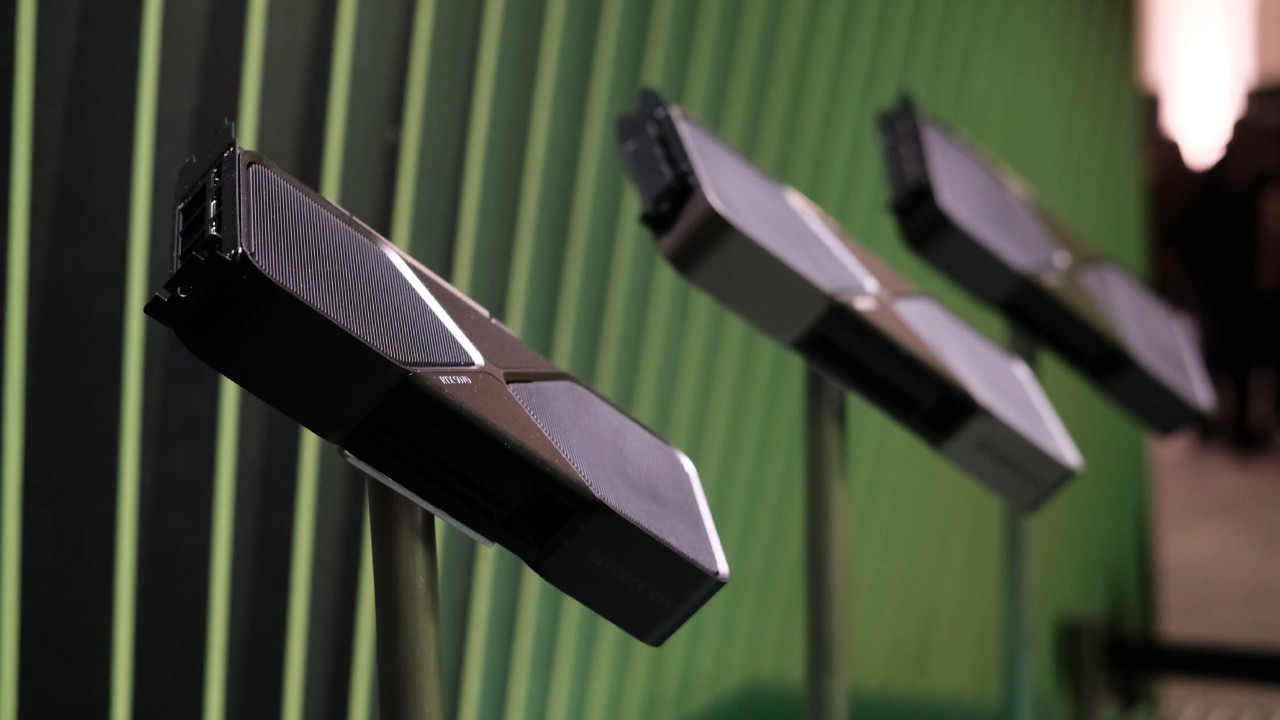
Modern games continue pushing texture sizes upward, especially at 1440p Ultra and 4K resolutions. Ray tracing workloads also demand significantly more VRAM, and professional creators are increasingly leveraging GPU memory for content production, rendering, and AI-assisted processes.
Local AI applications represent another growing reason why additional VRAM matters. Larger language models, image generation tools, and accelerated inference workloads frequently become constrained by memory capacity long before compute performance reaches its limit. An 18GB configuration significantly improves flexibility compared to a 12GB card, extending useful lifespan as software demands continue increasing.
Why NVIDIA is Reportedly Waiting
Ironically, the RTX 5070 SUPER's strongest feature may also be preventing its launch. Industry reports suggest Add-In Board partners already possess finalized hardware, indicating engineering work is largely complete. The uncertainty instead revolves around economics. The problem lies with the new 3GB GDDR7 memory packages.
Unlike conventional memory configurations, these higher-density chips reportedly carry exceptionally high production costs, with estimates placing each module around $60 to $70. Because six modules are required for an 18GB configuration, memory alone represents a substantially more expensive bill of materials than the existing RTX 5070. That fundamentally changes the financial equation.
Why a $549 MSRP Looks Increasingly Unrealistic
The original RTX 5070 debuted at $549, positioning it as NVIDIA's mainstream performance option. Matching that launch price with the SUPER variant appears increasingly difficult. The move to higher-density GDDR7 modules, combined with ongoing global DRAM shortages, dramatically raises manufacturing costs before accounting for cooling, PCB design, power delivery, packaging, logistics, and retailer margins.
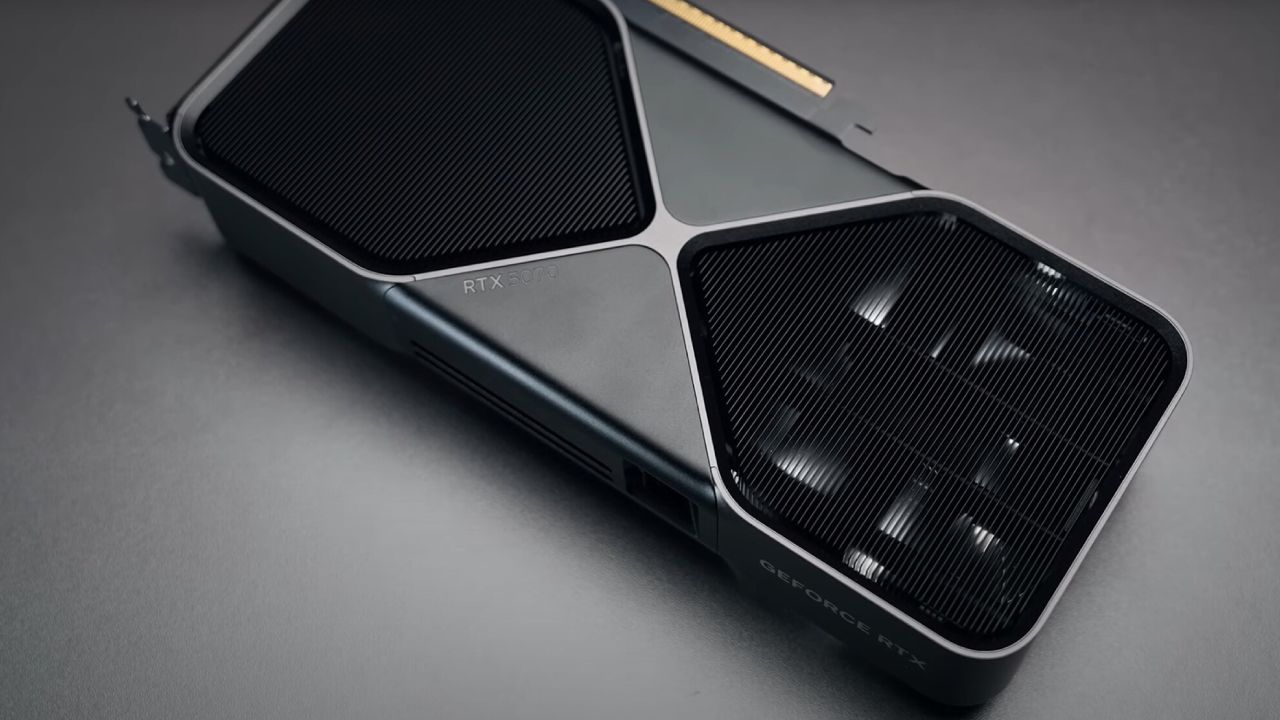
NVIDIA therefore faces a difficult decision. Launching at a significantly higher MSRP risks undermining the value proposition of a mid-range graphics card. Delaying the launch, however, avoids introducing a product whose pricing may alienate the very audience it targets. The current memory market leaves NVIDIA balancing profitability against competitiveness, and neither outcome appears particularly attractive.
A Refresh that Makes More Sense than the Original
The RTX 5070 SUPER represents an unusual kind of GPU refresh. Instead of chasing dramatic benchmark headlines through massive shader increases, it focuses on addressing one of the most persistent criticisms directed at the GeForce lineup: insufficient VRAM for increasingly demanding workloads.
The modest jump to 6,400 CUDA cores will certainly help. Still, the transition to 18GB GDDR7 fundamentally changes how the card could age over the next several years. For buyers interested in longevity rather than simply today's benchmark charts, memory capacity often proves more valuable than a small increase in shader count.
Editor, NoobFeed
Gaming Hardware Updates
No Data.