
Supply Chain Hiring Suggests XBOX Will Keep Making Disc Games
A new supply chain job and an expanding Disc-to-Digital library hint that Microsoft isn't done with discs.
News by Adeela Tas on Oct 29, 2026
XBOX has leaned on digital sales for years, so it would be odd to see the platform defend discs and boxes. Even so, several recent developments suggest Microsoft is putting real effort behind XBOX physical games, and the timing matters. The company needs every win it can get to grow its audience and keep its existing players.
Plenty of industry talk suggests XBOX is conditioning its audience, with Game Pass often blamed for teaching people not to buy games. You might still believe the loyal XBOX crowd keeps paying for the titles it wants, but sales estimates for Gears of War: E-Day make that harder to defend. Since the platform is now mostly digital, the argument for XBOX physical games looks shaky on paper.
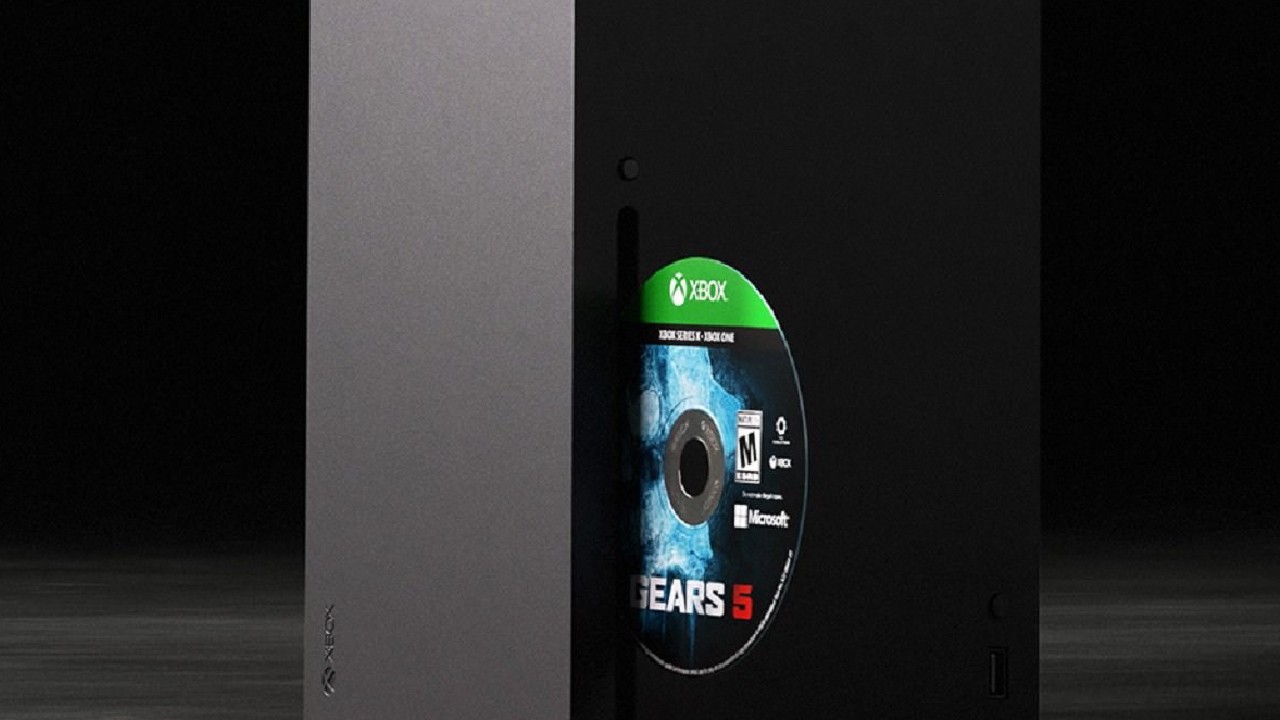
Still, hardware is heading into an uncertain stretch.
Microsoft cannot afford to watch customers drift to PlayStation the way many did during the multiplatform push. This comes up now because an insider spotted a job posting online. The role is a full-time Game Supply Strategist position at XBOX.
According to the listing, the person hired would coordinate the launch of physical XBOX games across all platforms, lead development, and oversee global supply-positioning strategies at every stage of a product's life cycle.
The job also involves placing inventory to meet working capital, cost, and service goals, plus overseeing sales and channel execution. You would work closely with product marketing, finance, and several supply chain groups to manage the supply and sales plan of record, while looking for ways to drive profitability through a predictable, reliable, and low-cost supply chain.
The listing went up on October 14, 2026, and companies rarely hire someone full-time to run the supply chain for physical games unless they plan to support them. That points to a modest push behind XBOX physical games. There is one gap, though. The description mentions nothing about discs, and XBOX could still release physical editions without a disc, which would be a rough outcome for collectors.
Consider the most recent concrete sales figures, which came from an analyst.
The data compares the boxed percentage for PlayStation games, Steam, and XBOX sales for the top 10 titles. Third-party games sell far higher physical volumes on PlayStation, and PlayStation shows a measurable boxed share for September 2026 while XBOX shows virtually none. It is fair to assume nearly all of those XBOX sales were digital, which raises the obvious question of why XBOX would bother with discs at all.
It is even more surprising given that Asha Sharma has steered the platform toward console exclusives, a bold move in its current position, and leaning into XBOX physical games as the industry moves the other way is just as bold.
There seems to be an internal recognition of how much PlayStation gained last generation by capitalizing on physical media and game sharing. XBOX can run a similar playbook today, and it starts with Disc to Digital. This feature is likely one of the main reasons discs will stick around. Microsoft pitched it as a way to bring digital benefits to Series X and XBOX One discs, and it has been live since its August announcement.
A recent article from an XBOX fan site described how the program changed the way its author buys games. The writer has long been a physical collector, but XBOX Play Anywhere combined with digital rights tied to discs transformed how they use the ecosystem.
That matters for XBOX physical games, since the disc is no longer a dead end.
You can now insert a disc into your console, claim the entitlement, and jump over to PC while keeping the link between the physical and digital copies. With the upcoming Project Helix handheld, you could put that disc in your Series X to play on your television, then take the game on the go because the disc validates the license.
It also adds a lot of value to legacy titles. A copy of Jade Empire on the shelf keeps its value, since the data is on the disc, playable on an original XBOX and backward compatible with the XBOX 360. Add modern digital rights, and that single disc lets you play the game across a Series X, a handheld, and a PC. That is the real potential of Disc to Digital.
XBOX could simply see this program as a bridge. Most current physical owners have a Series X, so Microsoft might be encouraging people to register their discs before moving to a digital-only Project Helix device, gradually turning physical libraries into pure digital software. In that case, XBOX physical games would be a stepping stone, not a destination.
A practical middle ground exists. XBOX does not sell huge volumes of physical media at retail, so instead of mass distribution, it could adopt a limited-run model like boutique publishers use. Take the sales estimates for Gears of War: E-Day. Suppose it skipped an immediate wide retail release, and estimates show 200,000 units sold across XBOX and PC, with 75% of purchases on console.

If the game earns strong reviews and community enthusiasm, a premium SteelBook edition with a manual, limited to 2,000 to 5,000 copies aimed at hardcore collectors, would make sense. Nintendo builds scarcity and value the same way: Super Mario 3D All-Stars was a limited-time product that sent customers rushing to buy physical copies and became a collector's chase.
XBOX hasn't historically operated that way, but selective runs could work for XBOX physical games too.
Original XBOX titles are reportedly getting retro achievement support, and community members spotted games like 2005's Destroy All Humans! and Full Spectrum Warrior on achievement tracking lists. Picture commemorative physical reprints of those titles, complete with cases and manuals, tied into Disc to Digital.
Enthusiasts would jump at the chance to own them, and Microsoft would avoid the inventory liability of overproducing for mass retail. Digital sales cover production overhead while collectors get a premium physical item. If a marquee title like Fable lacked an initial physical launch, you could buy a collector's edition after falling for the digital game.
The scale is notably different elsewhere. On PlayStation, Marvel's Wolverine saw roughly 35% of its launch sales come from physical PS5 copies, while exclusives like Silent Hill: Townfall hovered near 45%. Across games like The Blood of Dawnwalker, which sold well on PC and XBOX too, a significant portion of revenue still comes from boxes, even if some of that audience would switch to digital if forced.
PlayStation still has a large, active boxed-media base, something XBOX hasn't shown for a release like Gears of War: E-Day. Asha Sharma addressed this at Gamescom. She said a player's library should follow them whether they play physical or digital, and that XBOX is deeply committed to game preservation.
She noted that players across Europe keep stacks of physical games on shelves and announced support for digital entitlement for more than 10,000 physical titles. She added that backward compatibility is extending to PC and that she wants XBOX to be where the world plays.
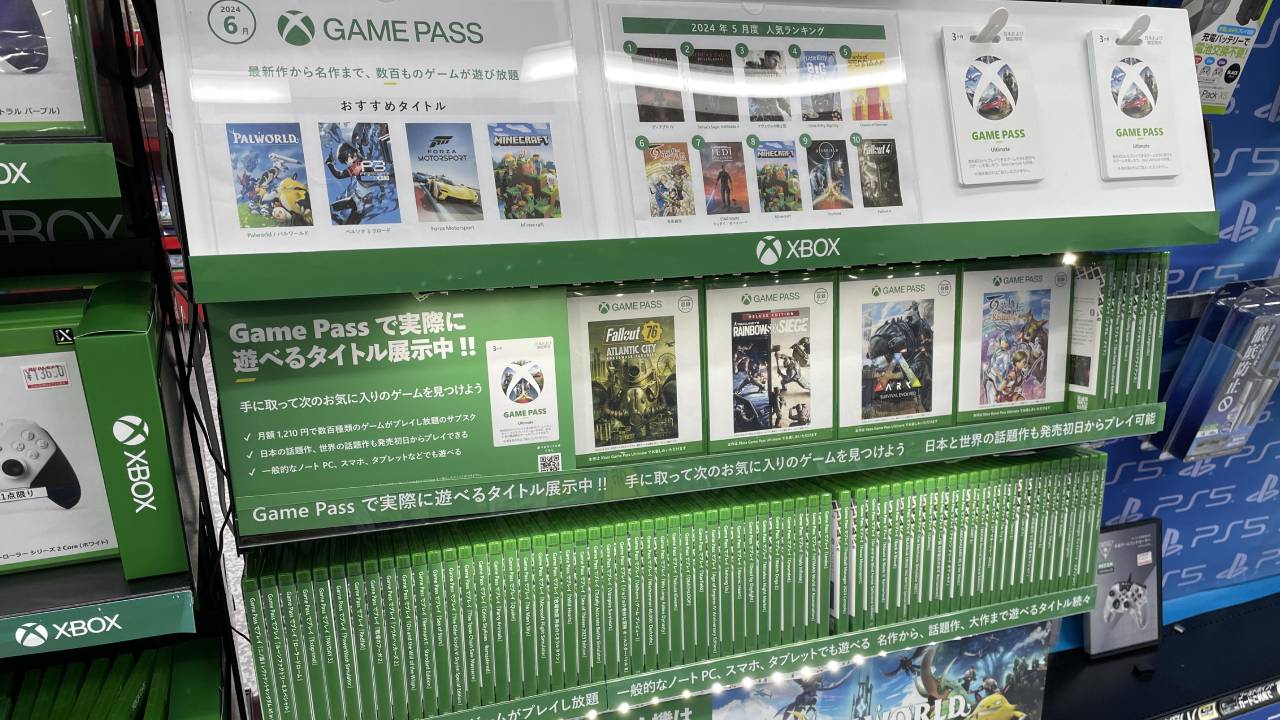
Players love physical media, she said, while digital offers convenience, and the goal is to preserve choice.
Put that messaging next to the Game Supply Strategist listing and the entitlement rollout, and it looks like Microsoft is investing real resources into XBOX physical games and hybrid distribution. Rumors also point to an optional external disc drive for Project Helix.
Under the current model, the entitlement works like real ownership. If you trade or sell the disc, the digital license goes to the new owner too, a thoughtful compromise between digital convenience and physical ownership. The intent looks clear. XBOX is hiring a Game Supply Strategist while expanding legacy support through backward-compatible achievements and PC integration.
Even if its physical base is smaller than the competition's, supporting XBOX physical games helps retain core enthusiasts and appeals to players frustrated with rival ecosystems, including some who got used to Game Pass. The idea that your library carries forward to new hardware, and onto mobile, is a strong pitch.
Reports say Asha Sharma and her team are targeting a next-generation hardware debut by late 2027. That milestone should clarify how physical media fits into the roadmap, especially around the XBOX 25th anniversary, retro achievements, and rumored native PC ports for classic XBOX 360 titles like Lost Odyssey.
Whether Project Helix gets an external disc drive or native support, Microsoft seems to have a sustainable plan for XBOX physical games. Expectations should stay grounded, since XBOX won't return to massive disc pressings that defy modern software economics, but targeted, enthusiast-driven releases remain a welcome path forward on a platform shaped by Game Pass.
Editor, NoobFeed
Related News
No Data.