
Intel Nova Lake 28-Core Leak Reveals Impressive Performance
Intel's upcoming Nova Lake processors deliver promising benchmark results despite unresolved memory issues and uncertain engineering sample clock speeds.
Hardware by Tanvir Kabbo on Oct 29, 2026
Intel's forthcoming Nova Lake chips are raising excitement after new benchmark leaks hint at outstanding single-thread performance. A 28-core engineering sample has appeared in the PassMark database, potentially challenging existing desktop CPUs.
But odd memory performance and unknown clock speeds complicate the results. Meanwhile, rumors of possible RDNA 5 exclusivity for portable devices have raised questions about the next generation of gaming hardware, with Sony possibly gaining that exclusivity.
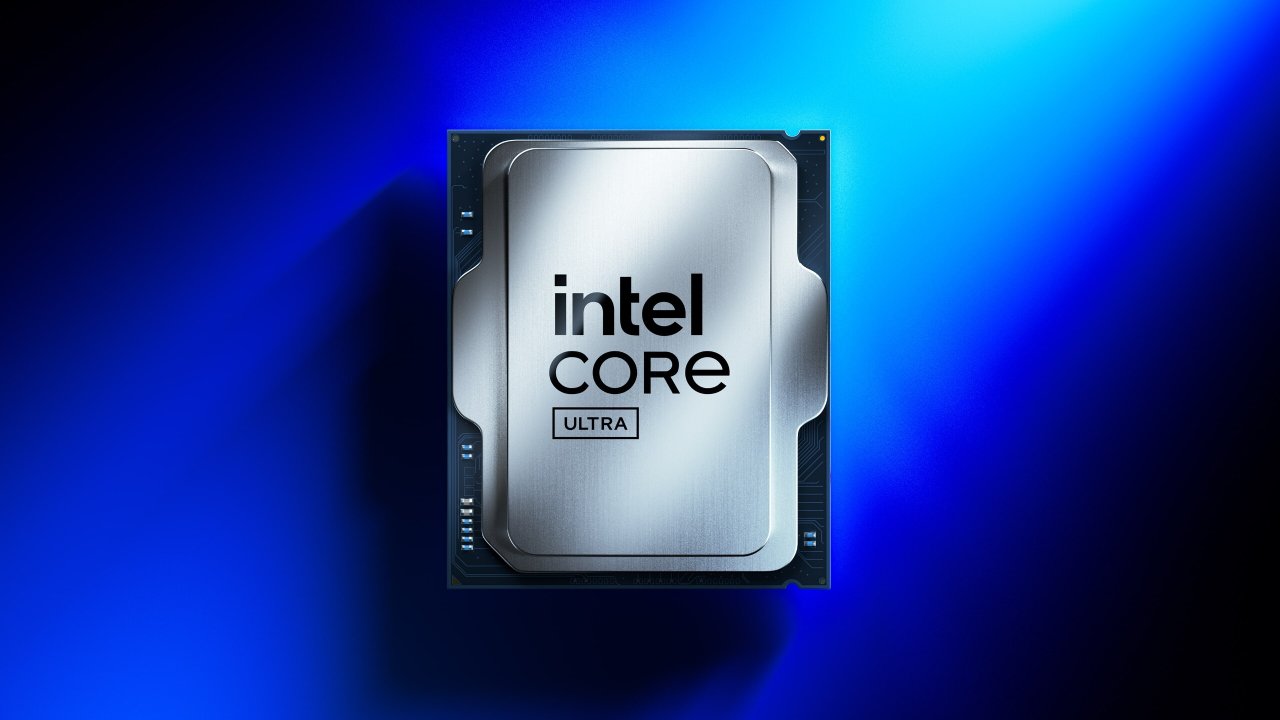
Intel Nova Lake 28-Core Processor Appears in PassMark
VideoCardz has spotted two Intel Nova Lake processors in the PassMark database: 28-core and 8-core variants. Both are identified as genuine Intel engineering samples, reportedly tested using an embedded CRB1 Fab2 motherboard rather than a final retail platform.
The processors run at about 3,300MHz base clock speeds, though their reported turbo frequencies vary widely. The submissions reportedly date back to September, suggesting these chips are still in early development.
Unusual Memory Performance Raises Questions
The most worrying part of the released results is memory performance. The 8-core processor is said to hit the 2,000 mark in Memory Mark, with the highest coming in at roughly 2,500. Competitors like AMD and Intel usually score between 3,300 and 3,800.
Possible causes include improper hardware detection, a malfunctioning memory controller, or a test system that isn't configured correctly. The abnormally low results could also be explained by running in single-channel memory mode. The 16GB RAM configuration we mention here is much lower than the 32GB systems used in some tests.
Unfortunately, the RAM's operating speed is unknown, so it is difficult to determine the problem. It is also unclear whether the processor features an enhanced big-cache design. Earlier rumors suggested more advanced engineering samples could emerge in December, potentially making these September submissions representative of the standard configuration.
Single-Thread Performance Challenges Existing CPUs
The 28-core Nova Lake processor reportedly achieves approximately 5,200 points in PassMark's single-thread benchmark. By comparison, the Intel Core Ultra 9 285K scores around 5,060, while the AMD Ryzen 9 9950X3D reaches approximately 4,800 in the cited results. These figures suggest promising single-thread performance, but engineering-sample clock speeds and platform limitations prevent definitive comparisons.
Multi-thread performance is less impressive. Nova Lake reportedly scores around 6,100, compared with approximately 6,700 for the cited Core Ultra 9 285K result and 7,200 for the Ryzen 9 9950X3D. Slow multi-thread outcomes can be due to limited clock speeds or memory constraints. Until we have better benchmarks, it's hard to say what the processor can really do.
Intel APX Support Expands Windows 11 Capabilities
Windows 11 is purportedly adding support for Intel Advanced Performance Extensions (APX). The technique can increase the number of general-purpose registers from 16 to 32. This can save needless data transfers and improve execution performance.
Intel claims APX-compiled code has ~10% fewer instructions. However, that doesn't translate to a 10% game performance gain. Developers will have to update or create software to take advantage of the addition, and it's still unclear how it would impact power consumption and temperatures.
Sony's Rumored RDNA 5 Exclusivity Sparks Questions
Digital Foundry's Richard Leadbetter apparently shared behind-the-scenes material; it seems Sony has some kind of RDNA 5 exclusivity for handhelds. The claim does not necessarily exclude Microsoft's next-generation home console, reportedly known as Project Helix, from using the architecture. The particular terms of the purported deal have yet to be confirmed.
If anything, a dedicated RDNA 5 implementation could benefit Sony's future handheld, though the device's specs and release date remain a mystery. The same goes for Microsoft's intentions for a larger family of gaming devices.
Memory Costs Could Affect Next-Generation Consoles
Memory and NAND supply limits could affect future consoles and handhelds. The Steam Deck 2 is rumored to arrive in 2028; however, component costs could affect pricing and launch plans. Intel's purported 52-core Nova Lake processors might also be pricey. But most games won't scale well with such high core counts, which might make lower-core-count configs more enticing to gamers.
AMD's reported 12-core Ryzen processors could also be tempting, upping core counts without needing a flagship configuration. Memory abnormalities and engineering samples that are not yet completed make it too early to draw any clear conclusions, although Nova Lake's early results show good performance ultimately. Further testing will show if Intel can turn these tantalizing rumors into tangible benefits for desktop gaming.
Senior Editor, NoobFeed
Gaming Hardware Updates
No Data.