
Steam Deck 2, Xbox Handheld, and PS6 Handheld Chips Leak Ahead of 2028
Steam Deck 2 Development Gains Momentum as Sony and Xbox Prepare Their Own Next-Generation Handheld Consoles.
Hardware by Tanvir Kabbo on Oct 13, 2026
The handheld gaming market may be on the brink of another revolution, with leaked AMD chips hinting at new hardware from Valve, Sony, and Xbox. 2027 and 2028 may be significant years for portable gaming, as the Steam Deck 2 (a potential PS6 handheld) and a first-party Xbox handheld are both rumored to be in development. At the same time, hardware enhancements and optimizations are driving up expectations for what these devices can offer.
Steam Deck 2 Chip Leak Points Toward a New Handheld Generation
AMD is developing a chip code-named Gainsborough, according to hardware leaker Tom at Moore's Law Is Dead. The name is especially intriguing because the original Steam Deck's chip was codenamed Aerith, the character from Final Fantasy 7. This has led to speculation that Gainsborough could power the Steam Deck 2.
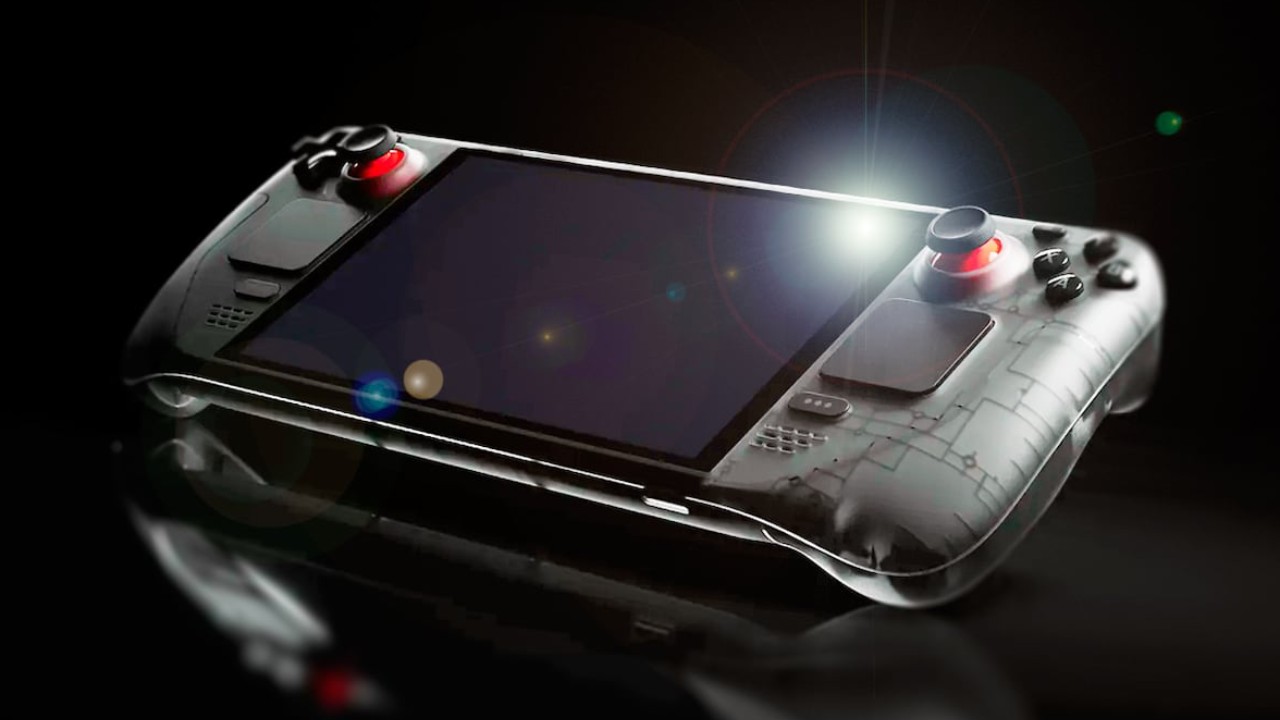
Meanwhile, Sony is reportedly developing its Canis chip for a potential PS6 handheld, and AMD is reportedly developing its Z3 and Z3 Extreme chips for the broader handheld market. All of this suggests several manufacturers may launch new portable gaming devices in 2027, and even more in 2028.
Xbox Handheld Could Expand Beyond the ROG Ally Partnership
Rumors of a first-party Xbox handheld have circulated for years, and they've been boosted since Microsoft revealed it's partnering with AMD to create silicon for several devices, including handhelds. While this may help more third-party devices like the ROG Xbox Ally X, Project Helix still makes a standalone Xbox handheld possible.
The Xbox Ally lineup already exists, and some players may run into issues if they play Xbox games through their PC versions but don't have Xbox Play Anywhere on their consoles. A first-party device that can run Xbox and PC games may overcome that limitation.
Valve, Sony, Nintendo, and Xbox may eventually target their respective user bases instead of trying to attract all handheld customers. Steam users might be drawn to the Steam Deck 2, PlayStation users to Sony's handheld device, and Nintendo users to the Switch 2.
Steam Deck 2 Could Prioritize Screen Quality and Familiar Controls
Valve's next handheld doesn't need a complete redesign. A screen the size of the current Steam Deck (or maybe 1200p) would be a nice step up without sacrificing too much performance. Going too high in resolution could push high-end games down to 30 fps, which wouldn't feel like much of an upgrade.
The Steam Deck's unique design, controls, and trackpads would stay intact, preserving its distinctive character. It would also get smaller refinements, durability improvements, and an edge-to-edge display that would improve it without changing it. An OLED display would be nice from the start, but price is a big factor. If Valve ever releases a polished OLED version, a cheaper LCD version may still be worth it.
Better Docking, Hall Effect Sticks, and eGPU Support Could Extend Longevity
Beyond performance, better docking could make the Steam Deck 2 more versatile. A drop-in dock like the Nintendo Switch would make it easier to connect and disconnect cables. Wireless charging might be an interesting feature, too.
Further controller improvements could include Hall-effect or TMR joystick sensors and adaptive triggers. If Valve goes with Thunderbolt 4, USB-C-based expansion, or OCuLink support, external GPUs may be possible, but it would depend on the hardware design.
A docked performance mode might also offer some extra headroom over the handheld's 15W operating target. The result should be a more capable device with reasonable battery life that can run newer games more consistently.

Gears of War: E-Day Highlights the Importance of PC Optimization
The new Gears of War game also shows how optimization affects performance across platforms. The game reportedly has two Steam Machine profiles: one with low settings (1080p) and FSR Quality set to 60fps, and one with high settings (1440p) and FSR Quality set to a steady 30fps.
The Coalition's Unreal Engine 5 effort seems to have paid off, as the game looks great without being a resource hog. Overall, Xbox users have praised the game, but some have noted limited water interaction and fewer environmental details.
Performance on handheld devices is still less certain, especially for more demanding cinematic shooters. As developers push the Steam Deck's aging hardware to the max, it may struggle with newer Unreal Engine 5 titles.
Steam Deck 2 Could Arrive as Handheld Expectations Continue to Rise
While the original Steam Deck laid solid groundwork for PC handheld gaming, its shortcomings are becoming more apparent as more demanding games arrive. Valve has hinted in the past that it wants a significant performance boost for its next-generation device while maintaining battery life.
Gainsborough is rumored to be in testing, and handheld chips are on the horizon. The most significant challenge will be balancing performance, battery life, and price. The Steam Deck 2 could shape the future of handheld gaming if Valve can offer substantial improvements at an affordable price.
Senior Editor, NoobFeed
Gaming Hardware Updates
No Data.