
AMD GPU Price Increase Report Points to Rising Memory Costs
AMD Radeon and Nvidia GeForce graphics cards face rising prices as memory shortages and limited GPU supply affect the market.
Hardware by Shinji Okazaki on Oct 11, 2026
AMD looks to be raising prices, but this time, the increase could affect more than just a GPU here or there. A new report from ChannelGate, found and shared by an Exus user, claims AMD plans to increase prices across a wide range of products, from consumer GPUs to chipsets. That means the chips that go in your motherboard could also get more expensive.
According to the report, AMD has notified its partners of plans to raise prices by roughly 10%. The reason reportedly comes down to higher manufacturing costs from TSMC. Essentially, AMD gets a larger bill, passes it along, and it eventually reaches the consumer. Of course, consumers respond by buying less.
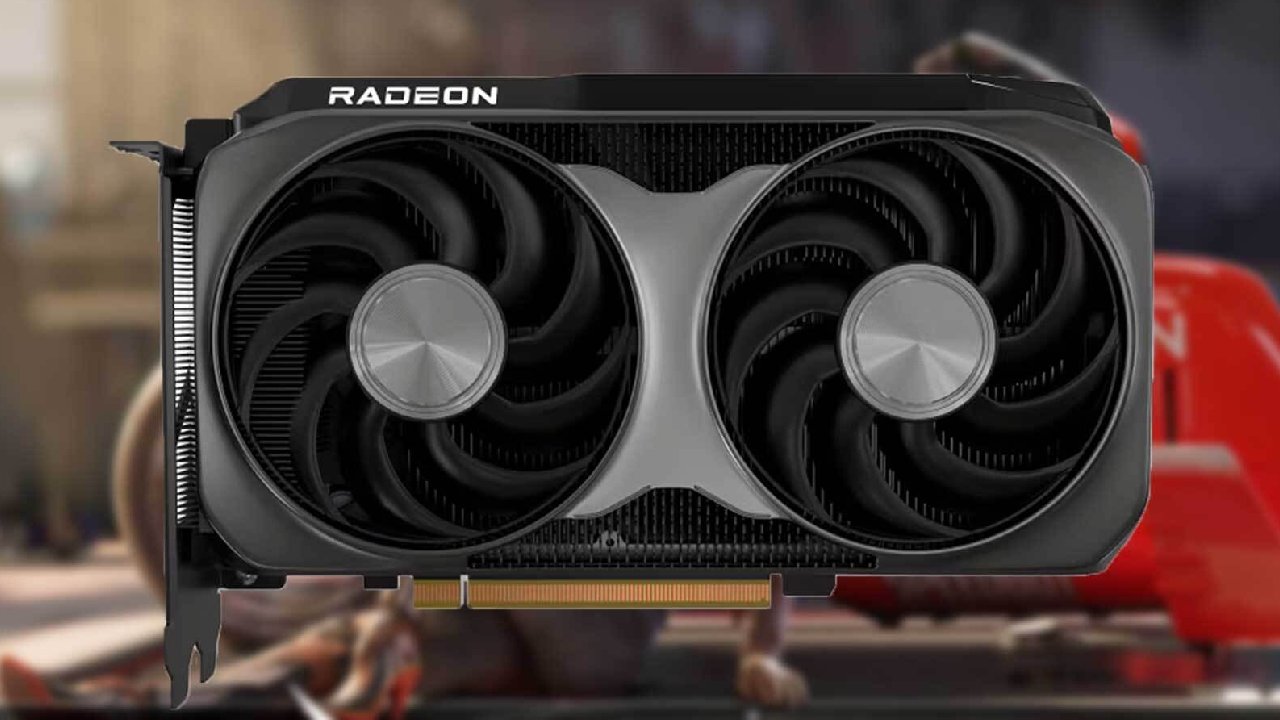
AMD Reportedly Plans a 10% Price Increase
So, at the end of the day, everyone loses except those at the top, ultimately selling to AI companies, as TechPowerUp notes here. AMD has raised the price of some CPUs and GPUs in the past, but this is one of the first times we've seen them raise chipset prices. Simply put, TSMC manufactures most of this.
Because TSMC is completely overrun with orders, prices are rising across the market. As always, supply and demand play a role. If more people want your product than what you can make, you raise prices. That said, it isn't as bad as it first appears because AMD is charging its partners 10% more.
That means this isn't a 10% increase on the final product. For example, the chipset is only one part of a motherboard. A 10% increase on that component wouldn't automatically justify a 10% increase on the entire board. Of course, prices seem to be going up everywhere, so we'll see.
That isn't a surprise given the performance loss that can come from turning on DLSS 5. However, Kepler has expanded on how much faster AMD's next generation could handle this. Specifically, he was asked what FP8 and FP4 performance to expect from RDNA 5. Kepler responded with double GFX12 and Blackwell.
AMD's version could hurt performance less than DLSS 5 does on the RTX 50 series.
GFX12 is RDNA 4, while Blackwell refers to NVIDIA's 50 series cards. We say more than double the performance because this isn't overall performance. It is double per SIMD, meaning GPUs with more cores could get even more performance. That doesn't include clock-speed updates that have also been leaked.
If the 154 CU card releases and keeps the same CU-to-SIMD ratio as the current generation, it could deliver 4.8x the throughput of the RX 9070 XT. Keep in mind that the discussion is about matrix performance, which is mainly used for AI. But that's exactly the kind of performance a DLSS 5 competitor needs.
If these cards get a big AI upgrade, AI companies could buy them up like they are with the RTX 5090 right now. Then again, things could have calmed down by the time the cards are released. Either way, the current leaks point toward a large performance jump from one generation to the next.
Editor, NoobFeed
Gaming Hardware Updates
No Data.