
Windows 11 RAM Optimization Could Extend the Life of 16GB PCs
Windows 11 26H2 could reduce RAM usage as AI data centers face electricity shortages and memory prices remain under pressure.
Hardware by Nahe Yan on Oct 11, 2026
RAM prices have been rising as demand from the AI industry continues to grow. At the same time, Windows 11 may start using less system memory, while the expansion of AI data centers could face another problem: electricity. These two developments could affect the memory market over the next couple of years.
According to reports from Windows Latest and user experiences, Windows 11 26H2 appears to use less system memory on some systems. One test was performed on a laptop with 16GB of RAM. After a restart, Windows reportedly used around 7GB of memory.
Memory Usage Remains Lower Under Workloads
Previously, the same machine would normally consume more than 10GB. That's roughly a 3GB difference, while other users have reportedly seen savings closer to 2GB. This might not sound like much if you have 32GB or 64GB of RAM. However, for millions of laptops and budget PCs still running with 16GB, saving even 2GB or 3GB can make a difference.
The reduction apparently isn't limited to an empty desktop. During testing, applications including Microsoft Teams, Outlook, WhatsApp, a 4K 60fps YouTube video, and multiple heavy Edge tabs were running simultaneously. Even with that workload, memory usage reportedly remained around 87%. Previously, lighter workloads on the same system could push memory usage closer to 95%.
However, there's an important detail to consider. Windows normally uses available RAM to cache frequently accessed files and other information so applications load faster. That means seeing Windows use a lot of RAM doesn't automatically mean something is wrong. Windows can usually release cached memory when another application needs it.
Microsoft Could Be Improving Windows Performance
Microsoft doesn't appear to be heavily advertising this change. The update also includes other performance improvements, including a low-latency profile designed to temporarily boost CPU performance when launching applications. However, reducing Windows' RAM footprint could matter more for everyday users.
Over the years, operating systems, browsers, and applications have gradually grown heavier. As software demands increased, 8GB of RAM became uncomfortable for many users, while 16GB increasingly became the recommended starting point. If Microsoft can reduce Windows' memory requirements without sacrificing performance, older, cheaper computers could stay useful longer.
This could also help users who don't want to upgrade their systems simply because Windows and everyday applications require more memory. There's another reason this matters. RAM prices have been under pressure as memory manufacturers increasingly focus on supplying the growing AI industry. However, there's one major problem. Those servers need electricity, and they need a lot of it.
According to estimates from Morgan Stanley, the US could face an AI-related power shortfall of around 5 GW in 2026. That estimated gap could increase to roughly 12 GW in 2027 and potentially reach around 33 GW by 2028. To put the scale into perspective, the AI hardware expected to be deployed through 2028 could require approximately 97GW of additional power under those estimates.
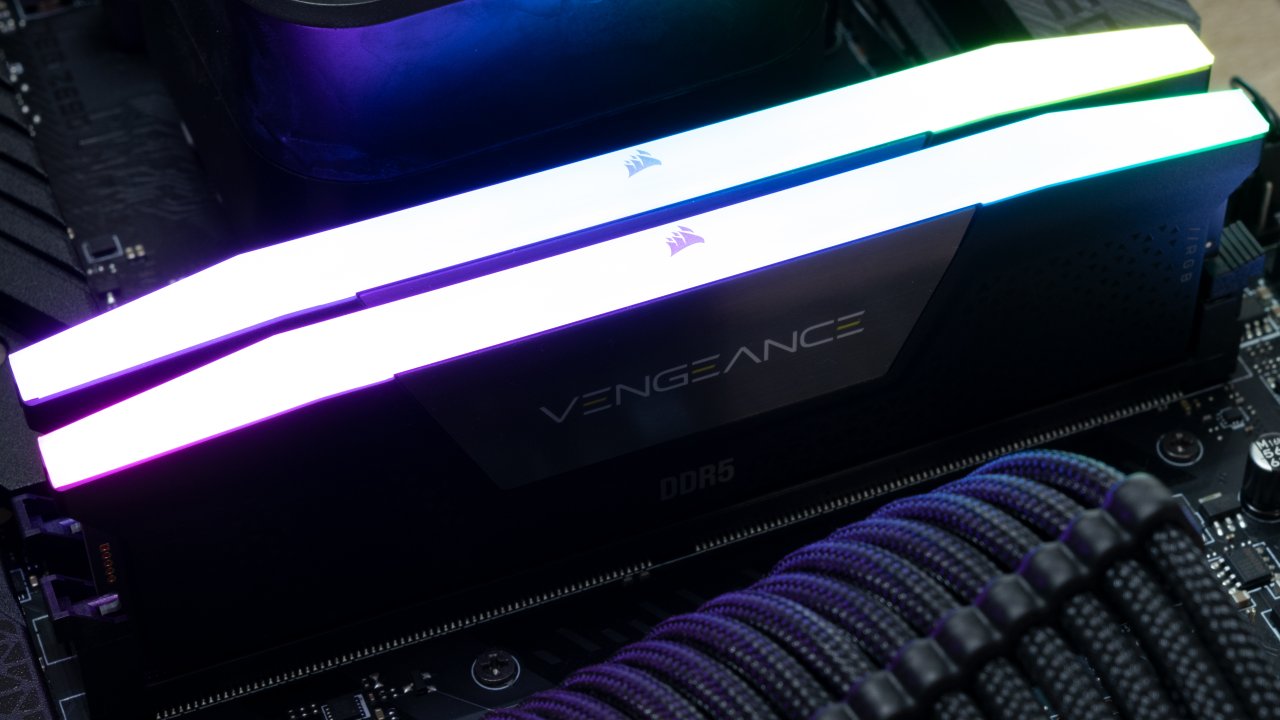
Some signs suggest parts of the memory market may be cooling.
One report showed mainstream DDR4 contract price growth slowing from about 14.29% month-over-month in July to roughly 4% in September. Some NAND memory pricing has also shown signs of weakness. That doesn't mean RAM prices are suddenly guaranteed to collapse.
AI demand remains high, manufacturers are still prioritizing higher-margin products, and bringing new production capacity online takes time. However, prices also cannot rise indefinitely. Eventually, one of several things could happen. More memory production could come online, and consumer demand could become too weak.
We may be heading toward an interesting situation. On the one hand, your computer could need less RAM thanks to better software optimization. On the other hand, the AI boom driving memory demand could start to hit power and infrastructure limits.
Editor, NoobFeed
Gaming Hardware Updates
No Data.