
Intel Nova Lake Could Challenge AMD Ryzen X3D CPUs
Intel Nova Lake Could Introduce Larger Cache Configurations to Challenge AMD Ryzen X3D Gaming Processors.
Hardware by Shinji Okazaki on Oct 09, 2026
Intel's upcoming Nova Lake desktop processors could introduce changes to core counts and cache configurations as the competition with AMD's Ryzen X3D processors continues. Leaked specifications suggest Intel may be preparing processors with larger last-level cache.
Intel's Nova Lake generation has been the subject of rumors for months. Early leaks suggested high-core-count processors, including large configurations that could potentially challenge workstation-class CPUs. However, newer information suggests those processors may belong to a different segment rather than Intel's mainstream desktop lineup.
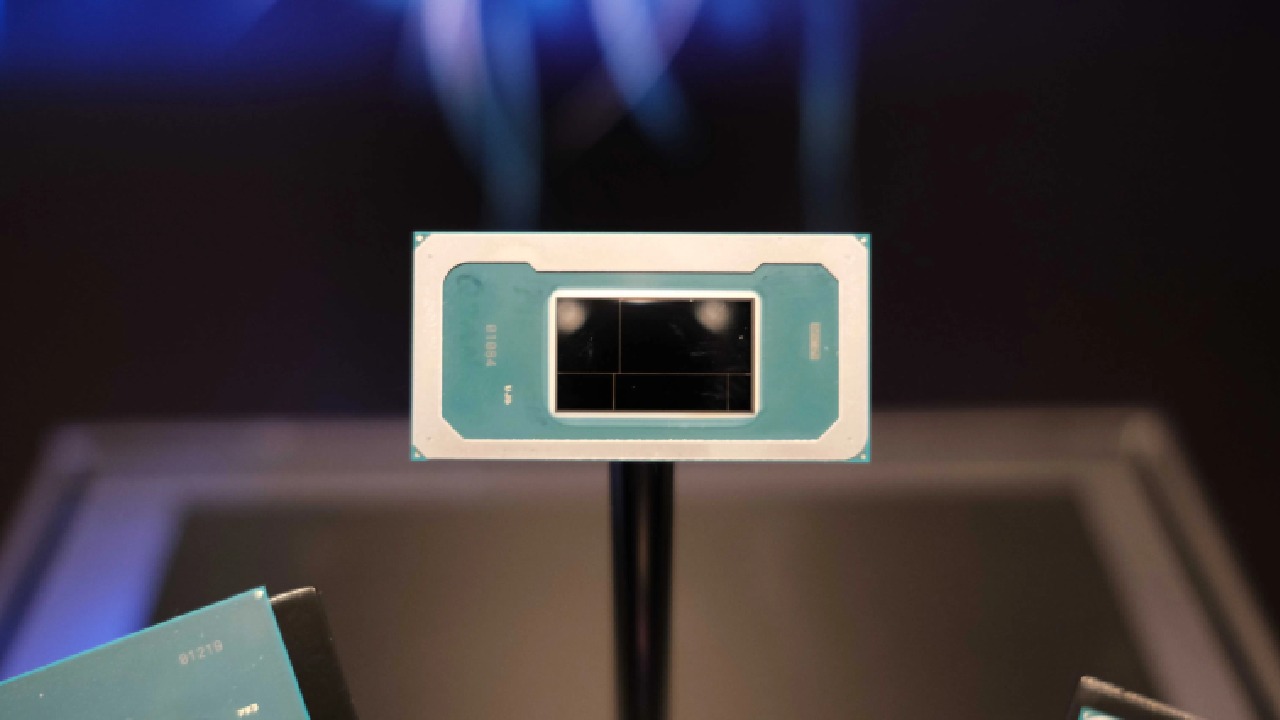
Intel Nova Lake CPU Leaks Reveal Core Configurations
A leaked list of possible Core Ultra 5, Core Ultra 7, and Core Ultra 9 processors paints a more conservative picture. One rumored high-end model reportedly includes 8 performance cores, 16 efficiency cores, and 4 low-power cores. That sounds like a lot, but compared with Intel's current high-end desktop architecture, the number of performance and efficiency cores doesn't appear dramatically different.
This matters because AMD is also preparing its next-generation Zen 6 architecture. Rumors suggest AMD could increase core counts while improving IPC and clock speeds. If those reports are accurate, Intel may need more than a small architectural improvement to remain competitive.
One particularly interesting part of the Intel leaks is the suggestion that some Nova Lake processors are being developed with significantly larger last-level cache configurations. This could be Intel's answer to AMD's Ryzen X3D processors. AMD's X3D chips have become popular among gamers because their additional cache can significantly improve performance in CPU-limited games.
By increasing the cache available to the processor, AMD's X3D technology helps games access frequently needed data more efficiently. Intel has traditionally competed through high clock speeds and strong individual-core performance. However, adding substantially more cache could give Intel another way to compete with AMD in gaming workloads.
Core counts and cache will determine Nova Lake's gaming potential.
If Nova Lake launches with larger cache configurations, the comparison between Intel and AMD will depend on how those designs perform in actual games. Cache capacity alone will not determine the outcome, as architecture, clock speeds, memory latency, and power consumption will also affect performance.
If AMD continues to build on the gaming performance of its X3D lineup, Intel will need to deliver meaningful gains to compete. Larger cache configurations could become a key part of Intel's strategy, especially if they improve frame rates and frame-time consistency in CPU-limited games.
However, the extent of those improvements remains unknown until independent benchmarks become available. Pricing will also play an important role. Even if Nova Lake delivers competitive gaming performance, its value will depend on how much it costs compared with AMD's Ryzen X3D offerings.
Editor, NoobFeed
Gaming Hardware Updates
No Data.