
Why Lara Croft Faces Huge Pressure in Tomb Raider: Catalyst?
Here's why the series went quiet after 2018, and how a remake and a new mainline entry are meant to bring Lara back.
News by Adeela Tas on Oct 10, 2026
When Shadow of the Tomb Raider came out in 2018, it closed the story of Lara Croft that began in 2013. Across three games, you watched her learn to survive, grow more confident, and finally become the Tomb Raider. After an ending like that, you'd expect a new adventure a few years later, with a Lara who knows what she's doing.
That never happened. Consoles changed, the industry moved into a new generation, and no new mainline game appeared. If Tomb Raider: Catalyst releases in 2027, you'll have waited around nine years between Shadow and the next main entry. That raises the matter of what actually happened to the series and why Lara stayed away for so long.
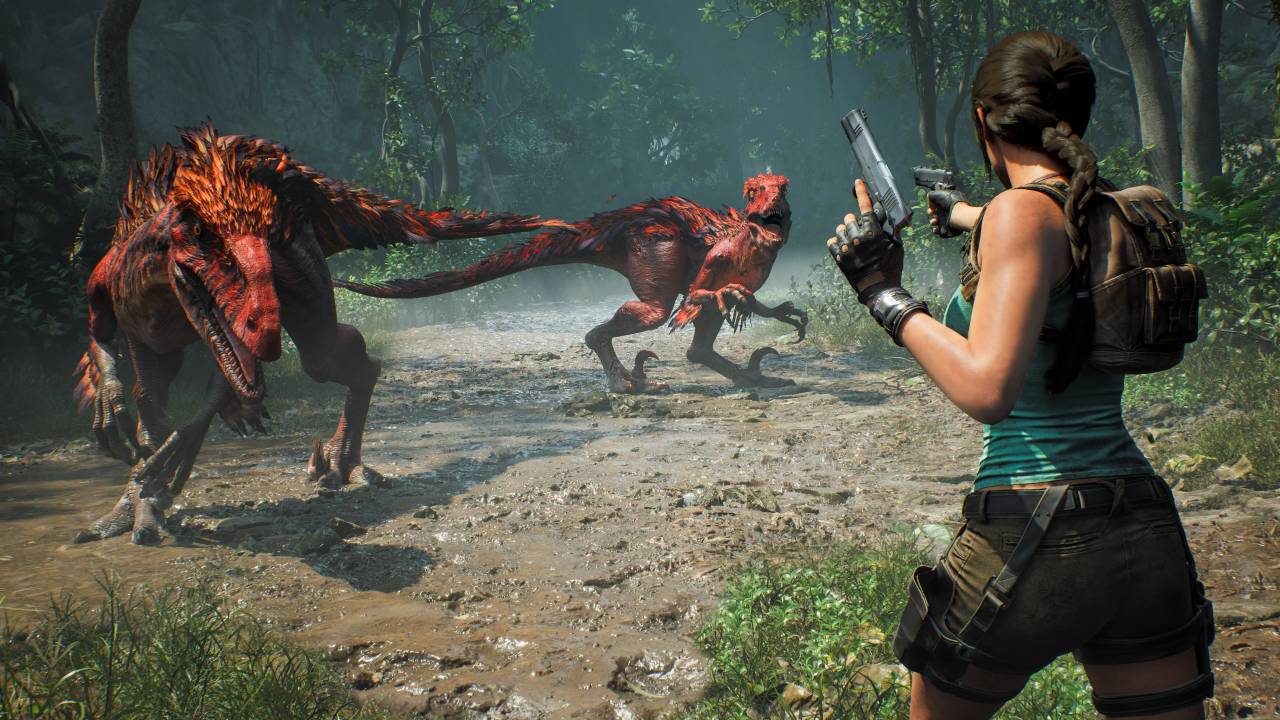
To clear one thing up, Tomb Raider: Catalyst hasn't been in development for nine years.
Crystal Dynamics hasn't worked on a single project since 2018. Real development on the next mainline game began years later, so this isn't a single title stuck in limbo for a decade. The bigger issue is that the franchise reached a crossroads after Shadow, because the Survivor trilogy was less three separate adventures and more one long origin story for Lara.
By the end of that run, the question of how Lara became Tomb Raider was answered. In 2013, she was inexperienced; in Rise of the Tomb Raider, she became more determined; and in Shadow, she faced the consequences of her actions.
Once that arc wrapped up, a new question took its place: who is Lara after she's already become the Tomb Raider? Classic Lara and the survivor version are the same character, but they never had the same energy. The older Lara was confident, athletic, and willing to throw herself into danger.
The newer one was more vulnerable, more human, and focused on getting through each day. After three games of telling that transformation, you have to finish it. You can't push her off a cliff a fourth time and have her say she isn't sure she can do this. At some point she needs to see a tomb entrance and walk in because she wants to.
Over the following years, Crystal Dynamics seemed to be bringing those two versions of Lara closer together.
They treat them as different stages of one person rather than separate characters. By 2022, the next game started to feel real. The studio confirmed it was working on a new Tomb Raider and had moved to Unreal Engine 5. Around the same time, the studio and the Tomb Raider brand left Square Enix, and Amazon Games later took over publishing.
While the new game was being built, the technology changed, the publisher changed, and the franchise's entire structure was reshaped. It wasn't a matter of taking Shadow's systems and putting a new map on top of them. From the player side, you spent years seeing almost no results. You knew the game existed, but it had no title, no gameplay, and no clear direction.
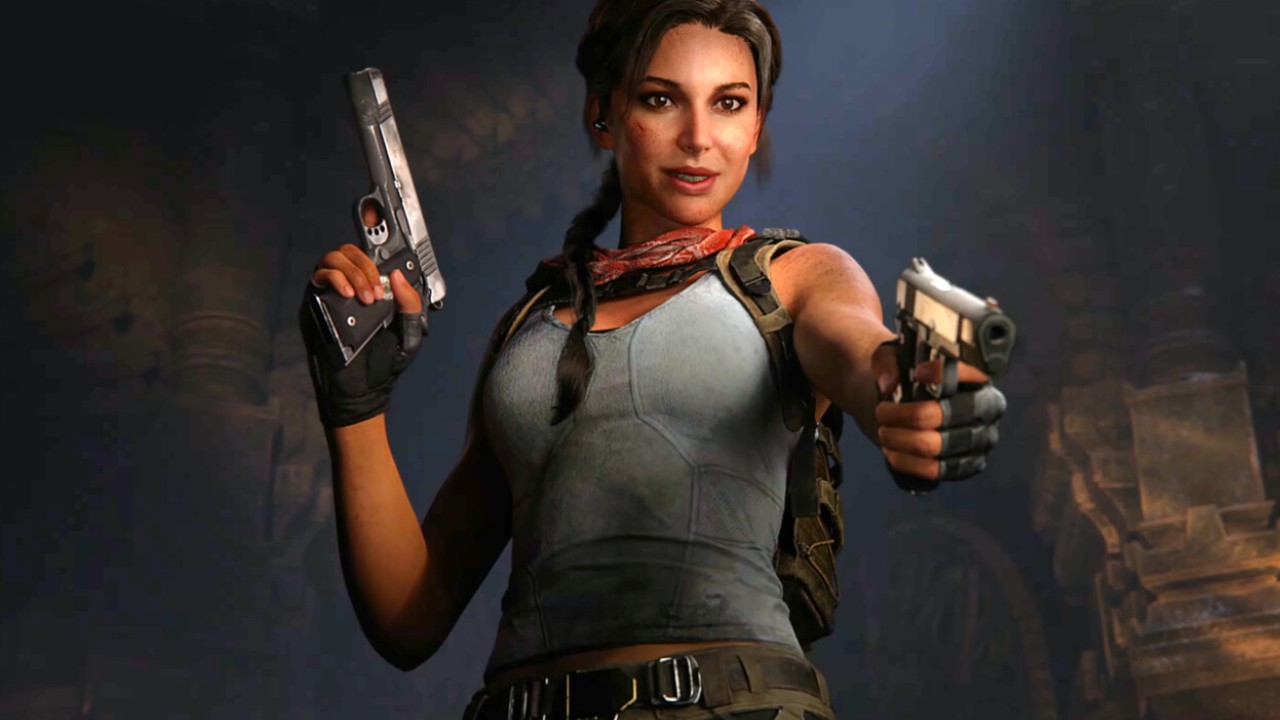
It could have continued the survivor style or moved closer to the classics, and nobody outside the studio could say. Then Tomb Raider: Catalyst was finally revealed, and after all that waiting, a clearer picture of what the studio is aiming for started to form.
The Lara in Tomb Raider: Catalyst is no longer the young woman from 2013. She looks confident and experienced, like someone who knows what she's doing, and she should. If three games went into building this character, you should feel that growth.
An experienced Lara should move with more confidence and feel more athletic in the gameplay.
The return of the dual pistols is a nice touch, but movement and attitude matter more, and they should feel like someone who's been doing this for years. The story is set in northern India after a massive mythical cataclysm. Long-hidden secrets and the forces protecting them begin to surface.
Treasure hunters from around the world head into the region, and Lara gets pulled into uncovering the truth while trying to keep whatever power has been revealed out of the wrong hands. Instead of sending Lara after yet another secret organization, setting her against rival adventurers chasing the same things feels much closer to what Tomb Raider should be.
If trust and betrayal are used properly, they could also show who Lara has become. World design deserves even closer attention. Crystal Dynamics describes the game as the biggest world the series has ever had, but "biggest world ever" no longer automatically excites anyone. Tripling the map and filling it with hundreds of identical chests doesn't help, and in that case it's better not to make it bigger.
Exploration in this series has never come from square kilometers. It comes from spotting a structure in the distance and working out how to reach it, or noticing a tiny passage in a cave and wondering what's behind it. For Tomb Raider: Catalyst to justify its size, that space has to serve tombs, exploration, and environmental puzzles. The studio has highlighted lost tombs, more complex puzzles, and customizable adventure-tech gear for Lara.
It's too early to know how deep any of that goes, but if it connects properly to movement and exploration, there's a lot of potential.
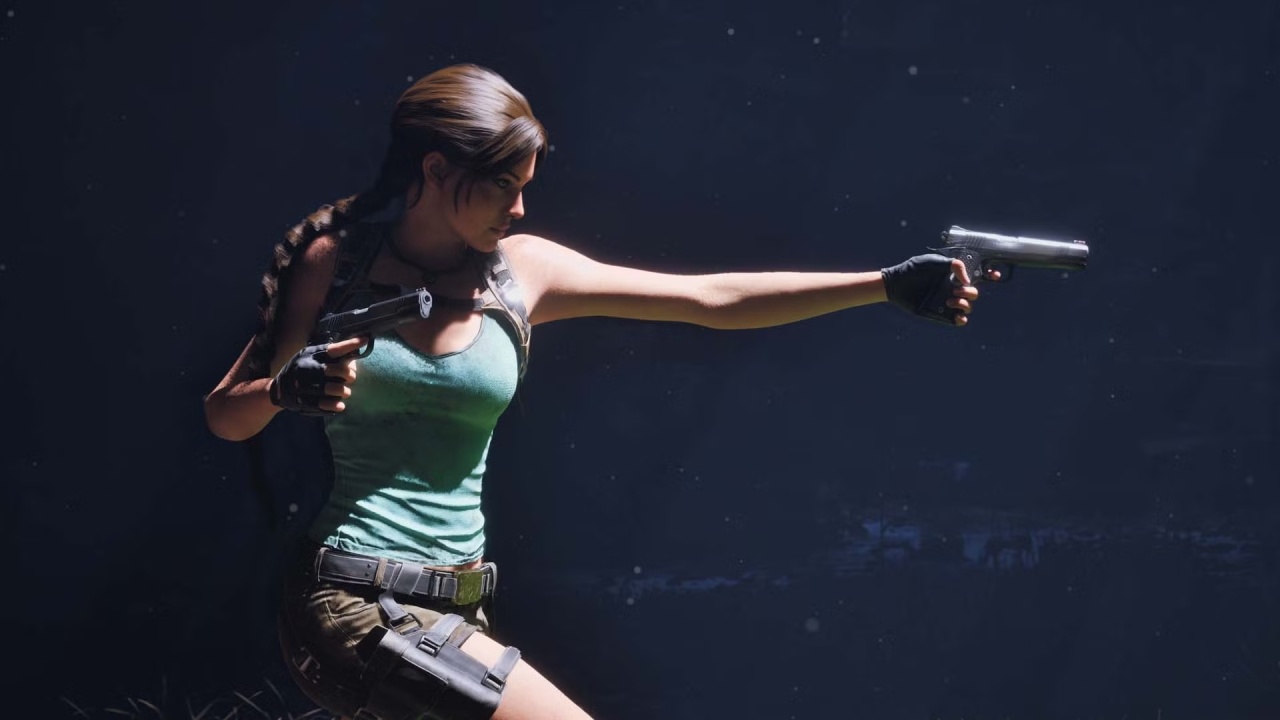
Before the new mainline game arrives, you'll get to test the studio's modern vision for the series in another Unreal Engine 5 release: Tomb Raider: Legacy of Atlantis. That game launches on February 12, 2027, and it isn't just the 1996 original with better graphics.
Crystal Dynamics is developing it with Flying Wild Hog; it runs on Unreal Engine 5, and they're rebuilding the first game from the ground up. The team is expanding environments, linking areas that once felt disconnected, modernizing traversal and combat, and completely redesigning some puzzles.
Put simply, the team is trying to show what the original would look like if it were built today. That matters for Tomb Raider: Catalyst, because Legacy of Atlantis lets you try Lara's modern movement system, feel the dual pistols, see how the puzzles are designed, and find out whether classic exploration works in a modern game.
A good remake doesn't automatically mean the next game will be good.
Flying Wild Hog is a key partner on the remake, while the studio's own team leads the new mainline game, but that team is at the center of both. That makes the remake a small early test. If Lara feels athletic, the tombs are good, and exploration works, you can reasonably say the team understands what it's doing.
If it can't capture the foundation of Tomb Raider while rebuilding the first game, you'd have every reason to be more skeptical about Tomb Raider: Catalyst. With Legacy of Atlantis, you return to where Lara started: Peru, Greece, Egypt, Atlantis, the Scion, and the dual pistols, the foundations of classic Tomb Raider, rebuilt in a modern way.
Then Tomb Raider: Catalyst follows, and this time you're looking at her future instead of her past. One game reminds you what Tomb Raider was, while the other tries to show what it becomes next. Nothing explains the studio's new direction for the franchise better than that pairing.
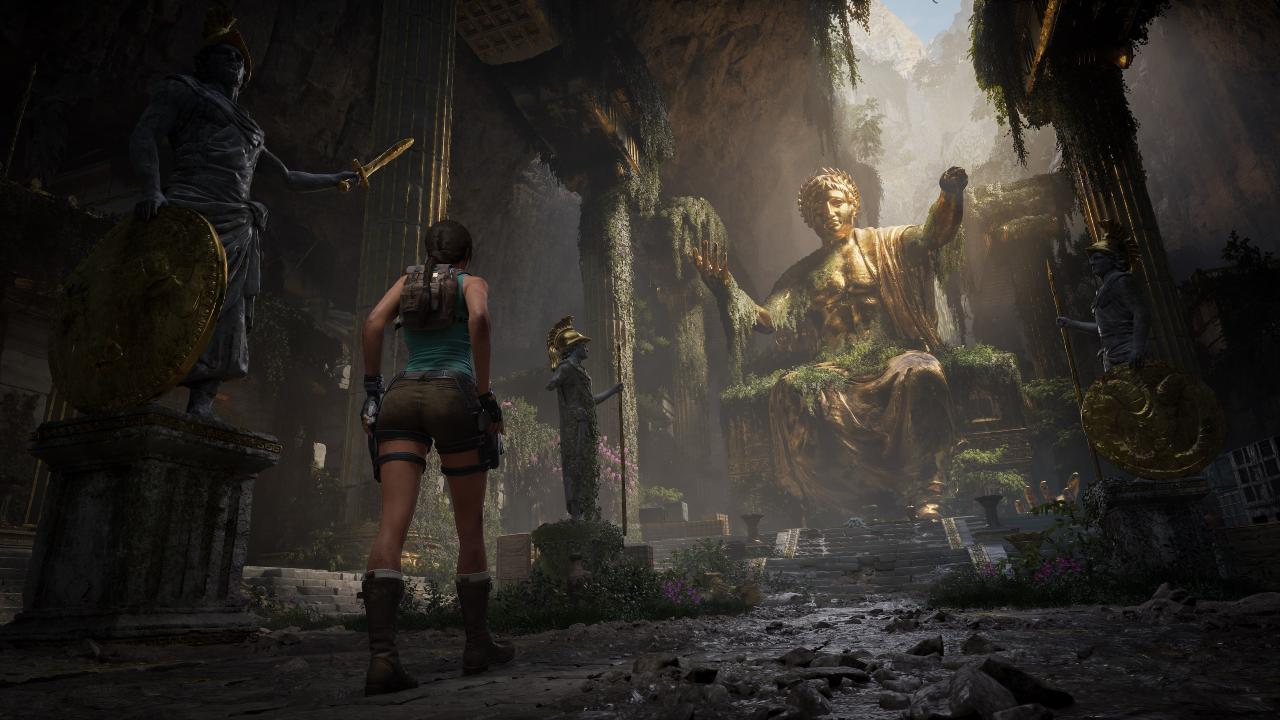
So what happened to Tomb Raider isn't a game that sat on the shelf for nine years. When Shadow arrived, Lara's origin story was complete, and the franchise needed a new identity. The Survivor trilogy had done its job, and the new mainline game only entered real development later, with a new engine, a new publisher, and a version of Lara built to merge the classic and Survivor eras.
Now the studio is rebuilding its past with Legacy of Atlantis before launching a new era with Tomb Raider: Catalyst. After nine years, a bigger game won't be enough. It has to make you feel why Lara Croft is still Lara Croft. Whether you trust Tomb Raider: Catalyst hinges on how the Flying Wild Hog remake plays, and how much classic acrobatics the series keeps alongside the Survivor trilogy's cinematic structure.
Editor, NoobFeed
Related News
No Data.