
AMD Ryzen AI Max 388 Gaming Performance: 35W Handheld Sweet Spot
8-core Strix Halo processor delivers impressive gaming performance while maintaining efficient power consumption across different handheld power limits.
Hardware by Tanvir Kabbo on Nov 24, 2026
AMD Ryzen AI Max 388: AMD's Strix Halo architecture comes in a more practical configuration for thin-and-light laptops and mobile gaming devices. The new processor has eight CPU cores that reduce power consumption while still delivering exceptional processing and integrated GPU performance, unlike the 16-core Ryzen AI Max+ 395. With more handhelds expected to adopt this chip, its gaming performance across different power limits could make it an interesting alternative to existing handheld processors.
AMD Ryzen AI Max 388 Offers a Better Balanced Configuration
The Asus ProArt PX613 is among the first laptops available in the West featuring the AMD Ryzen AI Max 388. OneXPlayer is also preparing updated handhelds featuring this processor. Its eight-core configuration makes considerably more sense for compact devices than the 16-core Ryzen AI Max+ 395.
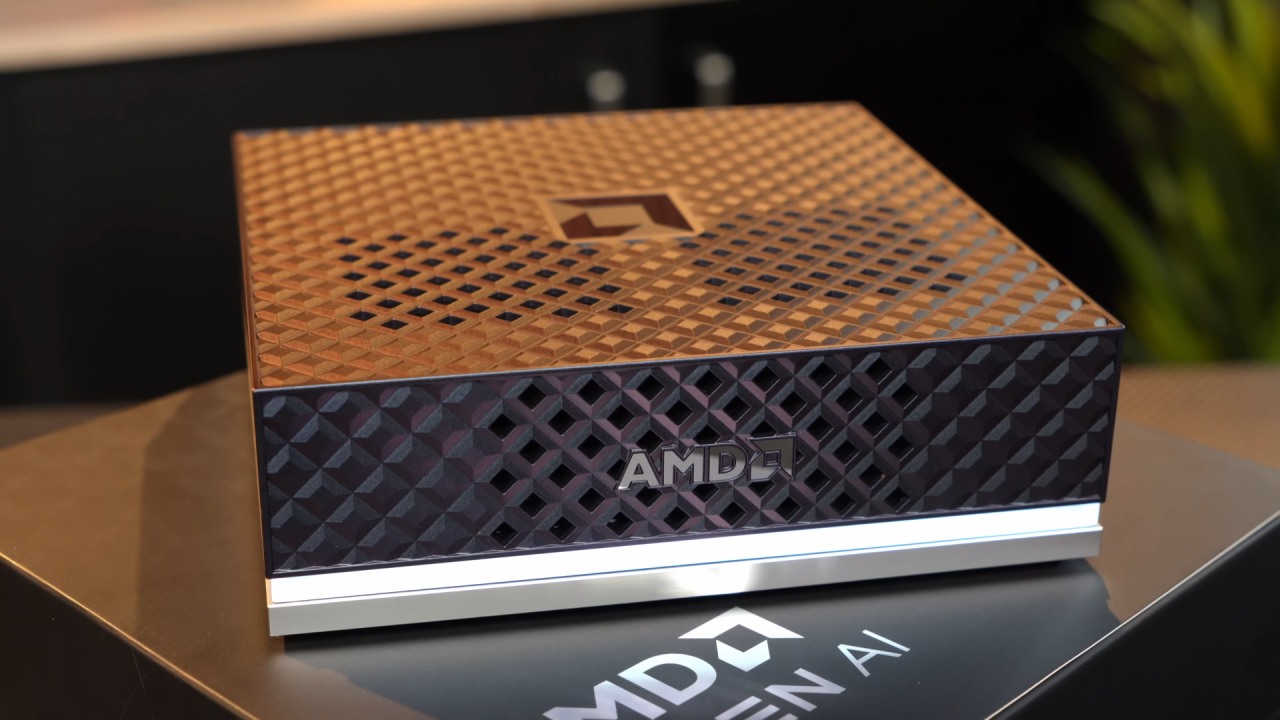
The Ryzen AI Max 388 isn't a great multicore performer, but it's still capable. Its Cinebench score falls from around 40,000 to 20,000, but that's still plenty for gaming, video editing, and regular workloads. In thin-and-light laptops and handhelds, you don't get much out of extra CPU cores if they're using power that could boost the GPU.
50W Delivers Nearly Maximum GPU Performance
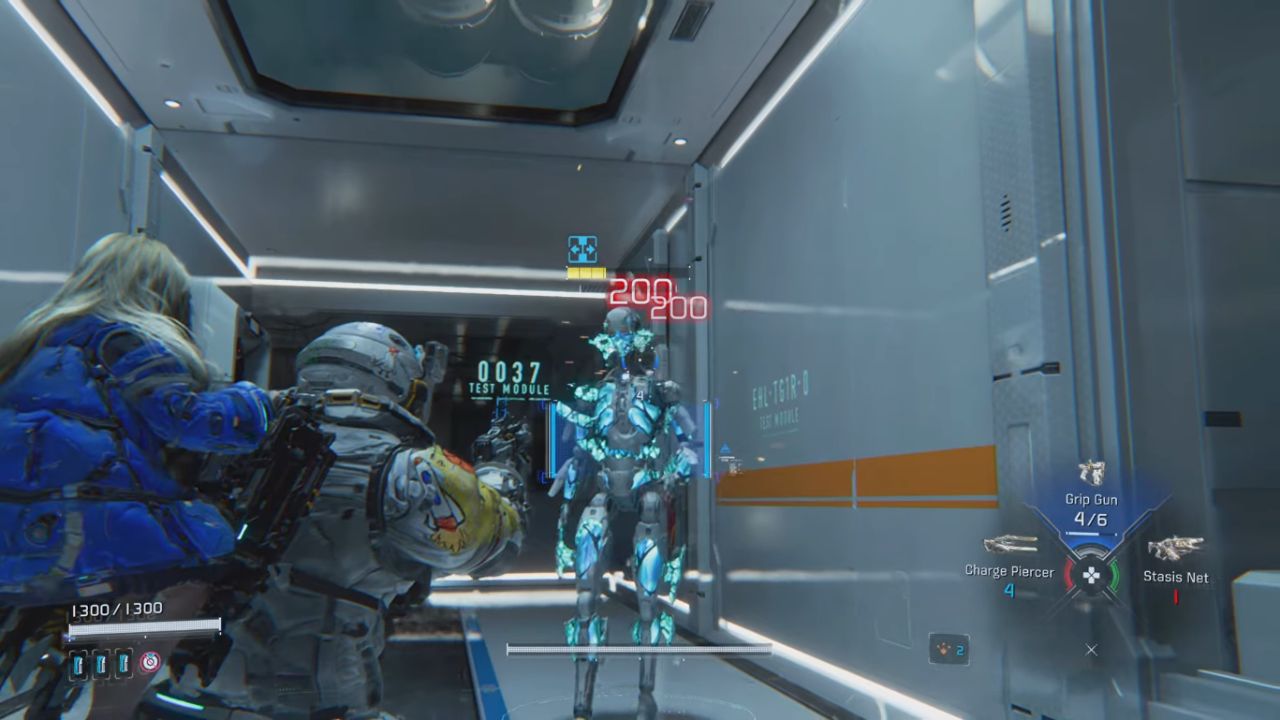
Pragmata measured game performance under power restrictions between 13W and 65W. We gave the machine 8GB of VRAM, just in case we hit memory constraints. We tested average FPS, 1% lows, and 0.1% lows to give a general idea of performance and frame-time stability.
The Ryzen AI Max 388 gives around 113 FPS at 65W. However, performance changes very little when dropping the power to 55W. The lows stay almost the same, and the average frame rate drops by only about 1-2%.
At 50W, performance levels off at about 106 FPS, with very similar low-percentile numbers. So 50W is more than enough to get close to the maximum GPU performance in this application. Pushing the power up to 65W doesn't offer much practical benefit.
At 45W, performance starts to go down more dramatically, with average FPS around ~100. Even at 35W, the processor still manages about 90 FPS, which is really good for an integrated GPU.
30W to 35W Is the Handheld Gaming Sweet Spot
Early testing shows the Ryzen AI Max 388 is maintaining about 90 FPS at 30W. More notably, its 1% and 0.1% lows still hover around 65 FPS and 52 FPS, respectively. Performance averages above 60 FPS at 25W, though the lows start to dip. At 20W, the average performance drops to about 46-48 FPS. At 17W, performance dips to about 35-37 FPS, and at 15W it barely stays above 30 FPS.
The findings make 30W to 35W particularly suitable for handhelds. Most gadgets are designed for this power range, since higher wattages mean more fan noise, greater cooling needs, and more battery drain. Ryzen AI Max+ 395 struggled more at lower power constraints, especially below 25W. The Ryzen AI Max 388 is a 16-core chip, so it's power-hungry, but that might make it a better fit for small gaming systems.
Real-World Testing Confirms the Performance Plateau
Additional testing in a challenging Pragmata scene shows that 55W is close to the GPU's performance ceiling. At 55W, the processor runs at ~109 FPS. There is no significant improvement at 60W or 65W. Performance settles at roughly 89 FPS at 35W and 79 FPS at 30W. The processor can run above 60 FPS even at 25W.
FSR 4 can improve these outcomes in supported games. This upscaling would let users keep higher frame rates without increasing power draw, making the chip more appealing for mobile gaming.
Final Thoughts
The AMD Ryzen AI Max 388 appears to be a more balanced Strix Halo setup for handhelds and thin-and-light laptops. It loses multicore performance vs. the Ryzen AI Max+ 395, but its eight-core design has a more usable power profile.
At 30W to 35W, it looks really promising for good gaming performance. The Ryzen AI Max 388 should be a great pick for portable gaming without much power or cooling, and we'll probably see Strix Halo in more handhelds.
FAQ
Q. What is the ideal power limit for the AMD Ryzen AI Max 388 in handheld gaming?
A. 30W to 35W appears to be the ideal range, delivering strong gaming performance while keeping power consumption and cooling requirements manageable.
Q. At what wattage does the AMD Ryzen AI Max 388 reach its maximum GPU performance?
A. Around 50W to 55W, as testing shows minimal performance improvements when increasing power beyond this range.
Q. How many CPU cores does the AMD Ryzen AI Max 388 feature?
A. The AMD Ryzen AI Max 388 features eight CPU cores, compared with the 16-core configuration of the Ryzen AI Max+ 395.
Q. Can the AMD Ryzen AI Max 388 deliver playable gaming performance at 20W?
A. Yes. In Pragmata testing, the processor delivered approximately 46-48 FPS at 20W, providing a playable experience despite the reduced power limit.
Senior Editor, NoobFeed
Gaming Hardware Updates
No Data.