
RTX 5070 vs. RTX 5060 Ti 16GB: Is 12GB VRAM Enough for Gaming?
Updated gaming benchmarks reveal how the RTX 5070's performance advantage compares against the RTX 5060 Ti 16GB's larger VRAM capacity.
Hardware by Tanvir Kabbo on Nov 22, 2026
NVIDIA GeForce RTX 5070 and RTX 5060 Ti 16GB are getting closer in price, making them harder to choose between. Both graphics cards target 1440p gaming, but with different advantages. The RTX 5070 has 12GB of VRAM and performs better overall, while the RTX 5060 Ti has 16GB of VRAM for a slightly lower price. This creates a significant decision for customers: higher gaming performance now, or extra video memory for future titles.
The discrepancy is especially interesting in demanding current games, where some titles might approach 12GB of VRAM at high settings. But more memory does not necessarily mean better performance. Performance will vary depending on the game, graphics settings, resolution, and whether upscaling is enabled.
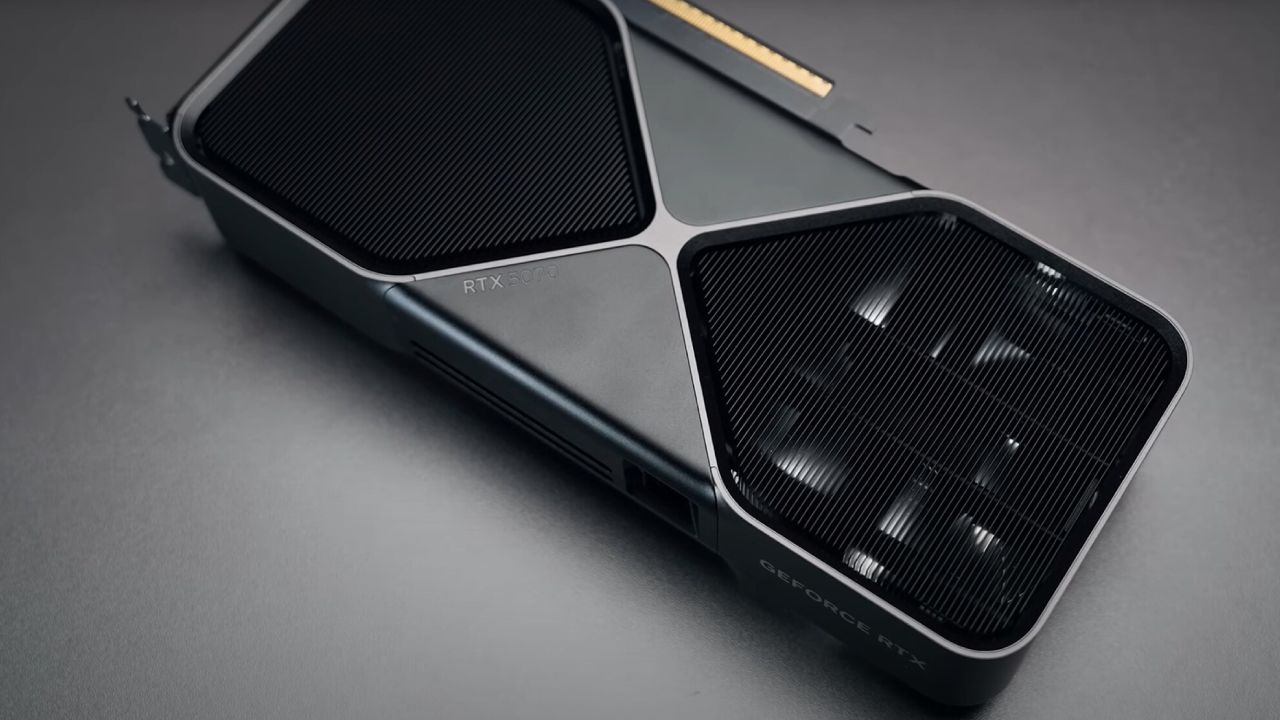
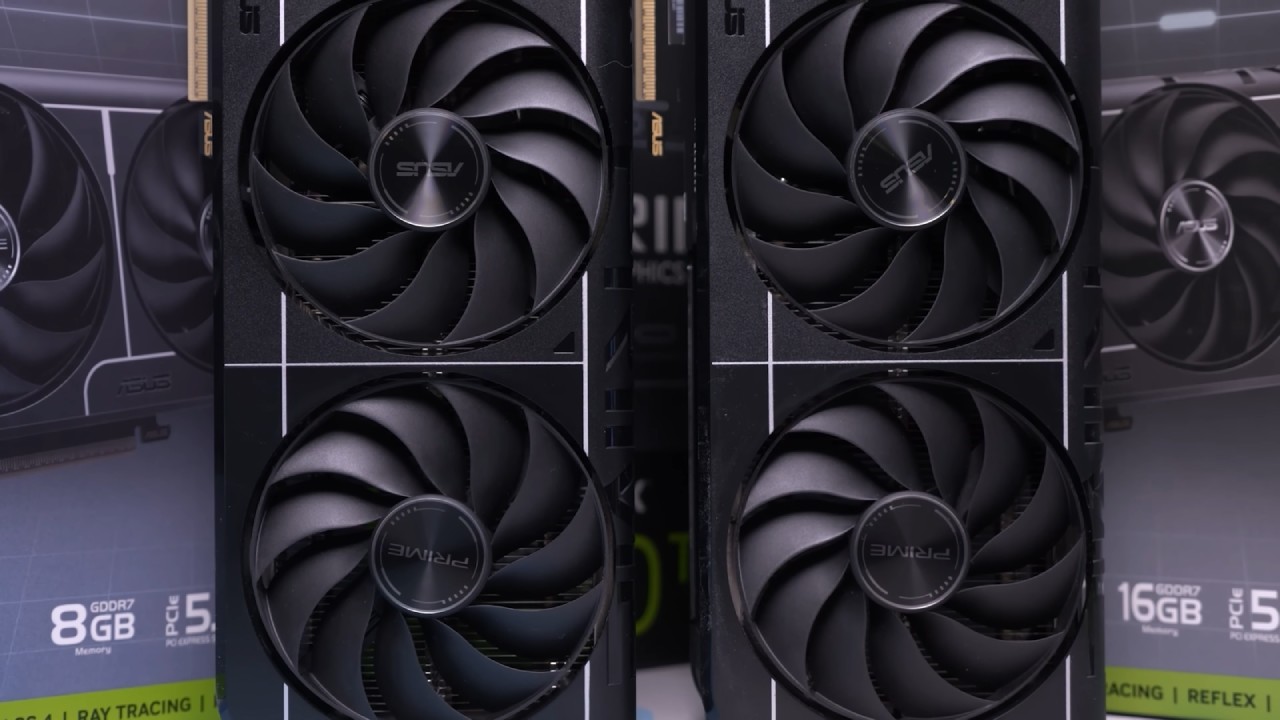
RTX 5070 vs RTX 5060 Ti 16GB Price and VRAM Difference
Buyers are in a strange situation with current US market pricing. The cheapest RTX 5060 Ti 16GB variants available start at about $570. The RTX 5070 can sometimes be found at $600; however, $630 and over is more common.
The price difference is small enough that buyers could consider either card. The RTX 5070 offers higher performance, and the RTX 5060 Ti gets an extra 4GB of VRAM. That extra memory can help in demanding games, especially at 1440p with high graphics settings.
Resident Evil Requiem demonstrates this. On its highest preset with heavy ray tracing settings, the game tries to allocate almost 12GB of VRAM. That means the RTX 5070 has to rely more on system memory, which is slower than dedicated graphics memory. So the RTX 5070 is only 11% quicker than the RTX 5060 Ti 16GB.
But setting DLSS Balanced lowers the internal render resolution and reduces VRAM utilization. With this tweak, the RTX 5070 is 27% faster. Neither card exceeds 12GB of VRAM, so the RTX 5070 should perform as expected.
This shows that small changes in graphics settings can affect the comparison. Often, turning on upscaling or dialing down texture quality a little can help keep VRAM usage under control without hurting visual quality too much.
RTX 5070 offers 26% better average gaming performance
Most of the new testing focuses on games coming out in 2026, but it also includes several well-known 2025 titles. In our comparison, we don't just test every game at its highest settings; we examine them across a range of visual configurations to give a fuller picture of real-world gaming.
We test every game at both the maximum and lower graphical presets, at native resolution and with upscaling enabled. This gives a clearer view of how the graphics cards perform, especially when VRAM capacity becomes a limiting factor.
Overall, the RTX 5070 is 26% faster than the RTX 5060 Ti 16GB in the evaluated games. But a few outliers show a smaller performance gap, often when games try to exceed the RTX 5070's 12GB of VRAM.
The main thing to consider is whether you need maximum settings for a pleasant gaming experience. If you'd ordinarily turn on upscaling or lower demanding graphics settings, the RTX 5070's performance benefit is much more obvious.
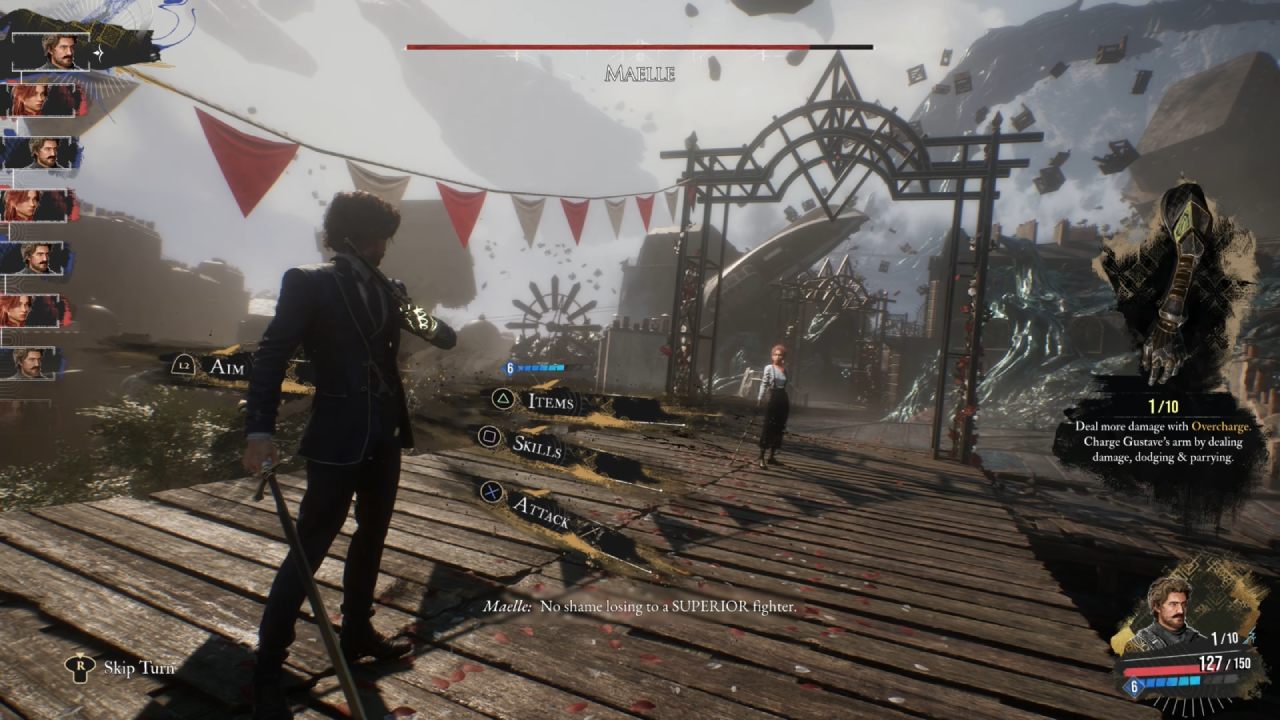
Resident Evil Requiem Performance Affected by VRAM
Resident Evil Requiem is one of the hardest titles to draw parallels with. With path tracing and DLSS Balanced, the RTX 5070 gets 51 FPS at 1440p max settings, versus 42 FPS for the RTX 5060 Ti 16GB. That's a 21 percent performance gain.
The game uses almost 12GB of VRAM with ray tracing on, native resolution, and maxed out. That only gives the RTX 5070 an 11% advantage. Its 1% lows don't provide it with a noticeable advantage either. This indicates memory restrictions can affect frame-time consistency. DLSS Balanced affects the outcomes a lot. The RTX 5070 gets 95 FPS, with the RTX 5060 Ti hitting 75 FPS, widening the performance gap to 27%.
At the regular preset with ray tracing off, the RTX 5070 delivers 109 FPS and the RTX 5060 Ti delivers 84 FPS. This puts the RTX 5070 ahead by 30%, showing that more processing power generally matters when VRAM isn't the bottleneck.
Pragmata and Cyberpunk 2077 Are Good News For the RTX 5070
Another example of the RTX 5070 holding onto a substantial performance lead comes from Pragmata. With path tracing and DLSS Balanced at top settings at 1440p, the RTX 5070 can hit 59 FPS, 31% faster than the RTX 5060 Ti 16GB.
The RTX 5070 hits 101 FPS at max settings with no path tracing, and 77 FPS at native resolution with ray tracing enabled, compared to 77 FPS on the RTX 5060 Ti. Then you enable DLSS Balanced, and the numbers jump to 132 FPS and 105 FPS, respectively, still a 26% lead.
Balanced graphics preset at native resolution yields 118 FPS against 91 FPS. With balanced upscaling, performance jumps to 146 FPS and 118 FPS, respectively. The RTX 5070 leads by 24%.
Cyberpunk 2077 also likes the RTX 5070. In the built-in benchmark, the RTX 5070 hits 60 FPS at 1440p with RT Overdrive and DLSS Balanced. For comparison, the RTX 5060 Ti 16GB gets 47 FPS. That is a 28% performance advantage. Upscaling typically helps maintain a steadier experience, though some areas can still strain VRAM.

Forza Horizon 6 Shows Smaller Performance Gap
Forza Horizon 6 shows some of the minor performance disparities in the comparison. At 1440p extreme with max ray tracing and native resolution, the RTX 5070 hits 52 FPS, and the RTX 5060 Ti hits 44 FPS. That's an 18% lead. VRAM utilization sometimes exceeds the RTX 5070's 12GB capacity. But with DLSS Balanced enabled, the RTX 5070 pulls 81 FPS, while the RTX 5060 Ti runs at 68 FPS, still holding the same 19% lead.
At severe settings with ray tracing off, the RTX 5070 hits 93 FPS and the RTX 5060 Ti gets 79 FPS. Both cards use ~10 GB of VRAM, so memory size isn't causing the smaller performance gap. With DLSS Balanced on, the values climb to 113 FPS and 99 FPS, respectively. Forza Horizon 6 seems to scale differently between these GPUs than a fair few other titles.
Call of Duty: Black Ops 7 and Crimson Desert
Crimson Desert is a good example of how more VRAM doesn't always translate to better performance. Turning on ray reconstruction and native resolution, the RTX 5070 scores 20 FPS average at 1440p top settings, against 15 FPS on the RTX 5060 Ti, a 33% lead.
With DLSS Balanced on, performance jumps to 44 FPS and 34 FPS, respectively. At 1440p Ultra settings, the RTX 5070 offers 73 FPS, compared to the RTX 5060 Ti's 56 FPS. With upscaling enabled, the results jump up to 90 FPS and 70 FPS. VRAM allocation is still around 7GB with lots of headroom on any card.
Call of Duty Black Ops 7 is a bit different. The Extreme preset with high ray tracing and ray reconstruction can exceed 12GB of VRAM, and the frame rates aren't ideal for competitive multiplayer gaming. At 1440p Balanced with native resolution, the RTX 5070 clocks in at 178 FPS, compared to 143 FPS on the RTX 5060 Ti, a 24% advantage. With DLSS Balanced enabled, it's 193 FPS and 161 FPS, respectively.

Battlefield 6 and Marvel Rivals showcase performance gap
Battlefield 6: The RTX 5070 continues to perform significantly better. The RTX 5070 scores 92 FPS at 1440p Overkill settings, while the RTX 5060 Ti clocks in at 69 FPS. That's a 33% edge. Enabling DLSS Balanced raises the results to 129 FPS and 98 FPS, still a 32% lead. At 1440p on medium settings, the RTX 5070 hits 145 FPS vs. 110 FPS. With upscaling on, it goes up to 185 FPS and 144 FPS, respectively.
Marvel Rivals also shows a steady difference. At 1440p Ultra settings, the RTX 5070 scores 71 FPS, while the RTX 5060 Ti hits 55 FPS. DLSS Balanced mode brings the results up to 108 FPS and 88 FPS, respectively.
At medium settings at native resolution, the RTX 5070 scores 118 FPS versus 87 FPS on the RTX 5060 Ti, a 36% advantage. With DLSS Balanced on, we get 171 FPS and 132 FPS, still 30% ahead and with no sign of VRAM restrictions.
Clair Obscur: Expedition 33 Still Dominating the RTX 5070
Clair Obscur: Expedition 33 is another challenging title at 1440p. At Epic settings with native resolution, the RTX 5070 gets 48 FPS versus 37 FPS on the RTX 5060 Ti 16GB, a 30% advantage. Enabling DLSS Balanced boosts performance to 78 FPS and 64 FPS, respectively, giving the RTX 5070 a 22% lead.
At native resolution, the RTX 5070 can hit 82 FPS at medium settings, while the RTX 5060 Ti manages 65 FPS. With DLSS Balanced on, the values are 119 FPS and 101 FPS. Neither setup shows any signs that the RTX 5070's VRAM capacity is becoming a bottleneck.
Will 12GB of VRAM be a problem for games going forward?
As the next generation of consoles approaches, more games at high settings should push past 12GB in the coming years. We're looking at the PS6 in the next year or two, and how it handles memory allocation could affect future multiplatform games. But the shift to the next console generation won't happen overnight. Going forward, releases will likely remain cross-gen for a few years.
The PlayStation 5 already has about 12GB of memory for graphics-related tasks. So, with devs still targeting both console generations, the settings tuned for the older hardware should be very reasonable for the RTX 5070. So the RTX 5070's 12GB of VRAM likely won't be an issue right away in most games. That said, buyers who expect to run maximum graphics settings for years should still consider the benefits of 16GB.
Which GPU Should You Buy?
The new testing makes the overall difference really clear. On average, the games we tested run 26% faster on the RTX 5070 than on the RTX 5060 Ti 16GB. The extra 4GB of VRAM still helps the RTX 5060 Ti in some scenarios, but these are still very limited.
The RTX 5070 has 12GB of VRAM, which often won't be a problem if you enable upscaling or make tiny tweaks to your graphics settings. Dropping texture quality one notch can free up memory with little visual loss.
Ideally, you'd expect a graphics card at this price point to have 16GB of VRAM and the processing chops of the RTX 5070. But if you want to stay in the NVIDIA camp and spend about $600, the RTX 5070 will generally offer better value.
Another alternative is AMD's Radeon RX 9070 16GB, which is in a comparable price range and offers 16GB of VRAM. For lower-budget buyers who want more memory, the Radeon RX 9060 XT 16GB is also worth considering.
Ultimately, the RTX 5060 Ti 16GB has the advantage of VRAM capacity, but the RTX 5070 is significantly superior in most recent games. The RTX 5070 is a better option for those searching for an NVIDIA graphics card around the $600 price mark if you don't absolutely need 16GB of VRAM.
FAQ
Q. Is the RTX 5070 faster than the RTX 5060 Ti 16GB?
A. Yes. The RTX 5070 delivers approximately 26% higher average gaming performance than the RTX 5060 Ti 16GB across the tested games.
Q. Is 12GB of VRAM enough for 1440p gaming?
A. Yes. 12GB of VRAM is sufficient for most current 1440p games, although some demanding titles can exceed this capacity at maximum graphics settings. Enabling upscaling or slightly reducing texture quality can help avoid memory limitations.
Q. Should you buy the RTX 5070 or RTX 5060 Ti 16GB?
A. The RTX 5070 is generally the better choice for buyers prioritizing gaming performance, offering around 26% higher average performance. However, the RTX 5060 Ti 16GB provides additional VRAM for demanding games and potentially better memory headroom in future titles.
Q. Will 12GB of VRAM become a limitation in future games?
A. It could become a limitation in some future games, particularly at maximum graphics settings as next-generation console hardware influences memory requirements. However, cross-generation game development should help keep 12GB of VRAM viable for several years.
Senior Editor, NoobFeed
Gaming Hardware Updates
No Data.