
AMD Olympic Ridge CPUs Delayed Beyond Computex 2027 After TSMC N2X Switch
AMD reportedly delays Olympic Ridge beyond Computex 2027 to adopt TSMC's faster N2X 2nm process for higher clock speeds.
Hardware by Masaru Hoshino on Nov 21, 2026
AMD's next-gen desktop processors may arrive later than enthusiasts hoped, but the delay could be worth it for the performance gains. Meanwhile, the new Zen 6 "Olympic Ridge" Ryzen range appears to have been delayed beyond Computex 2027, with availability now expected in the latter half of the year due to a planned manufacturing change to TSMC's performance-focused N2X 2nm process.
Instead of pushing its next desktop architecture to market, AMD appears focused on higher operating frequencies and more performance headroom. But the decision gives Intel the chance to get a head start on the 2027 desktop CPU market.

Why TSMC N2X Matters for Zen 6
The greatest development behind the anticipated delay is AMD's supposed move from regular N2 or N2P manufacturing to TSMC N2X. Unlike conventional process enhancements that balance performance and efficiency, N2X prioritizes high-performance computing and higher operating frequencies.
This distinction matters because smaller production nodes don't necessarily mean faster clock speeds. According to reports, N2X has more voltage headroom and could offer up to a 10% clock-speed benefit compared to normal N2 implementations in similar settings.
This could be particularly useful for desktop Ryzen CPUs. For CPU-bound games, higher boost frequencies are desirable, as gaming performance often relies heavily on single-threaded performance.
The leak suggests Olympic Ridge might increase between 6.5 GHz and 7.0+ GHz. While the figures are unknown, N2X could give AMD more breathing room to chase frequencies that would be impossible on a more efficiency-centric technology.
But higher clocks also mean thermal and power issues. AMD will need to balance voltage requirements, cooling capability, and sustained performance. A 10% process-level frequency advantage also does not automatically translate into 10% higher gaming performance.
12-Core CCDs Could Transform the AM5 Platform
Olympic Ridge could introduce another major architectural change through reportedly larger Core Complex Dies. AMD is expected to increase the CCD configuration from eight to 12 cores per CCD, representing a 50% increase. Each CCD might also have 48 MB of shared L3 cache, allowing flagship dual-CCD Ryzen processors to reach 24 cores and 48 threads.
This arrangement could be a huge boon for multithreaded workloads for developers, content creators, and workstation users. However, gaming performance will depend on cache behavior, inter-core communication, and architectural changes, not just core count. The rumored N3P-based I/O chip and CUDIMM DDR5 support could open up more memory options. Meanwhile, AMD is reportedly preparing a less bulky motherboard chipset design.
More importantly, AM5 compatibility is expected to remain. Existing Ryzen 7000 and Ryzen 9000 owners could potentially upgrade without replacing their motherboards, provided manufacturers deliver the necessary BIOS support. That makes Olympic Ridge particularly attractive for current AM5 users who want a substantial performance improvement without paying for an entirely new platform.
Intel Nova Lake-S Could Benefit From AMD's Delay
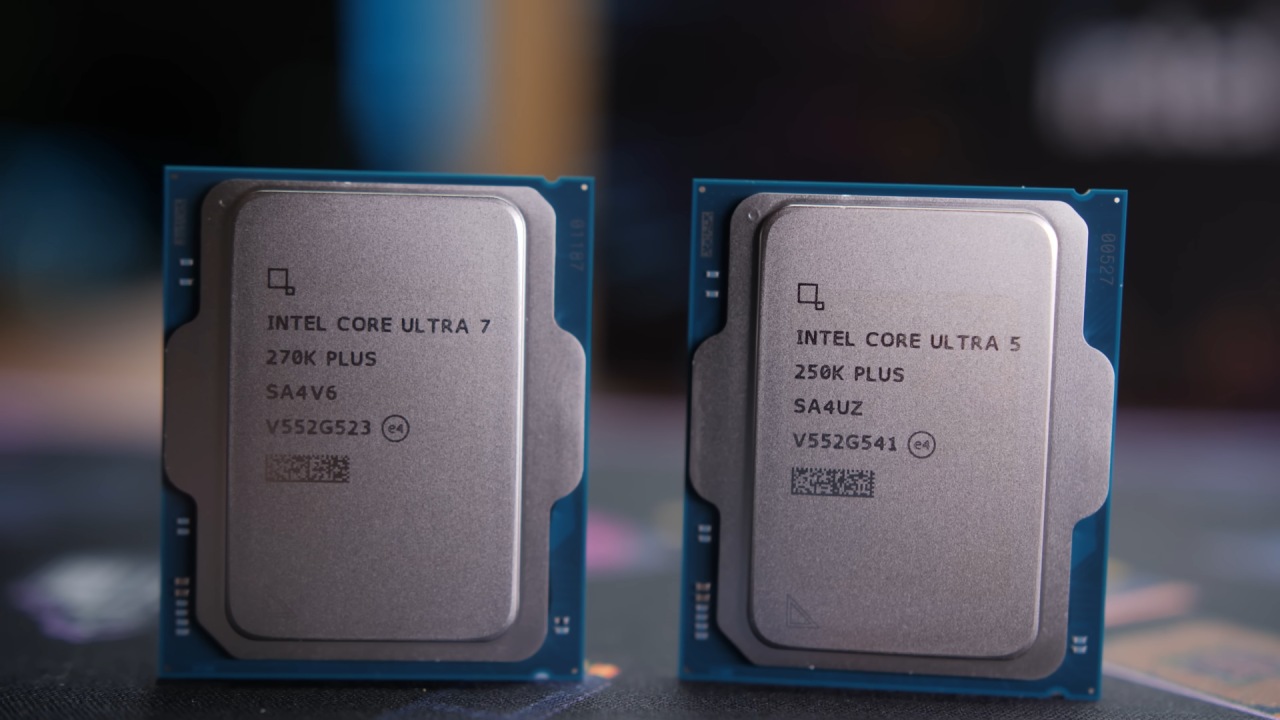
Intel may have a chance with AMD's new schedule. Nova Lake-S is said to target an early 2027 launch and will introduce a new desktop platform on the LGA 1954 socket. If Intel launches during the first quarter, it could enjoy several months without direct competition from AMD's Zen 6 desktop lineup. That would allow Team Blue to attract enthusiasts planning high-end gaming and workstation builds.
However, AMD still has an important advantage: AM5 platform longevity. Existing customers might choose to wait for a drop-in upgrade instead of buying a new motherboard for Nova Lake-S. So, Intel will need to offer competitive pricing, strong availability, and compelling gaming scores to capitalize on AMD's absence.
AI Server Demand Adds Pressure to AMD's Roadmap
The delay may also reflect growing competition for innovative manufacturing capability. Demand for AI infrastructure is booming and has helped boost AMD's EPYC server market, but data-center products also compete for key production resources.
Server processors and AI devices are major growth opportunities and could shape how AMD allocates manufacturing capacity. Additionally, moving to N2X needs production setup, validation, and yield improvement. The exact reasons for the reported delay are unconfirmed, but production changes and rising server demand could affect AMD's desktop launch timeline.
FAQ
Q. When are AMD's Olympic Ridge desktop CPUs expected to launch?
A. AMD's Zen 6 Olympic Ridge desktop processors have reportedly been delayed beyond Computex 2027, with availability now expected in the second half of 2027.
Q. Why is AMD reportedly switching Olympic Ridge to TSMC's N2X 2nm process?
A. The reported switch aims to improve voltage headroom and operating frequencies, potentially enabling boost clocks between 6.5 GHz and 7.0+ GHz.
Q. How many cores could AMD's Olympic Ridge flagship processors feature?
A. Olympic Ridge could feature 12 cores per CCD, allowing dual-CCD flagship Ryzen processors to reach 24 cores and 48 threads.
Q. Will AMD Olympic Ridge processors support existing AM5 motherboards?
A. Yes, Olympic Ridge is reportedly expected to retain AM5 socket compatibility, potentially allowing Ryzen 7000 and Ryzen 9000 owners to upgrade without replacing their motherboards, subject to BIOS and motherboard support.
Editor, NoobFeed
Gaming Hardware Updates
No Data.