
AMD Zen 6 Desktop CPUs Reportedly Delayed Until After Computex 2027
AMD's Zen 6 desktop launch could face delays as growing AI and enterprise demand shifts the company's hardware priorities.
Hardware by Tanvir Kabbo on Nov 21, 2026
AMD is set to reveal its next-generation computing technologies at CES in January 2027. The company has not announced exactly what it has planned, but recent speculation suggests its forthcoming CPU offerings will be the focus. However, AMD's next-gen desktop CPUs may take a backseat to mobile Zen 6 processors if demand for server processors and AI infrastructure keeps expanding.
AMD Teases Next-Generation Computing at CES 2027
The next era of computing will be something special, AMD CEO Jack Huynh has predicted, and at CES 2027 the company plans to offer a taste of its next technologies. The teaser itself gives away little about the hardware. But AMD's RDNA 5 graphics architecture is allegedly not due until later in 2027, so a CPU-related announcement seems more probable.
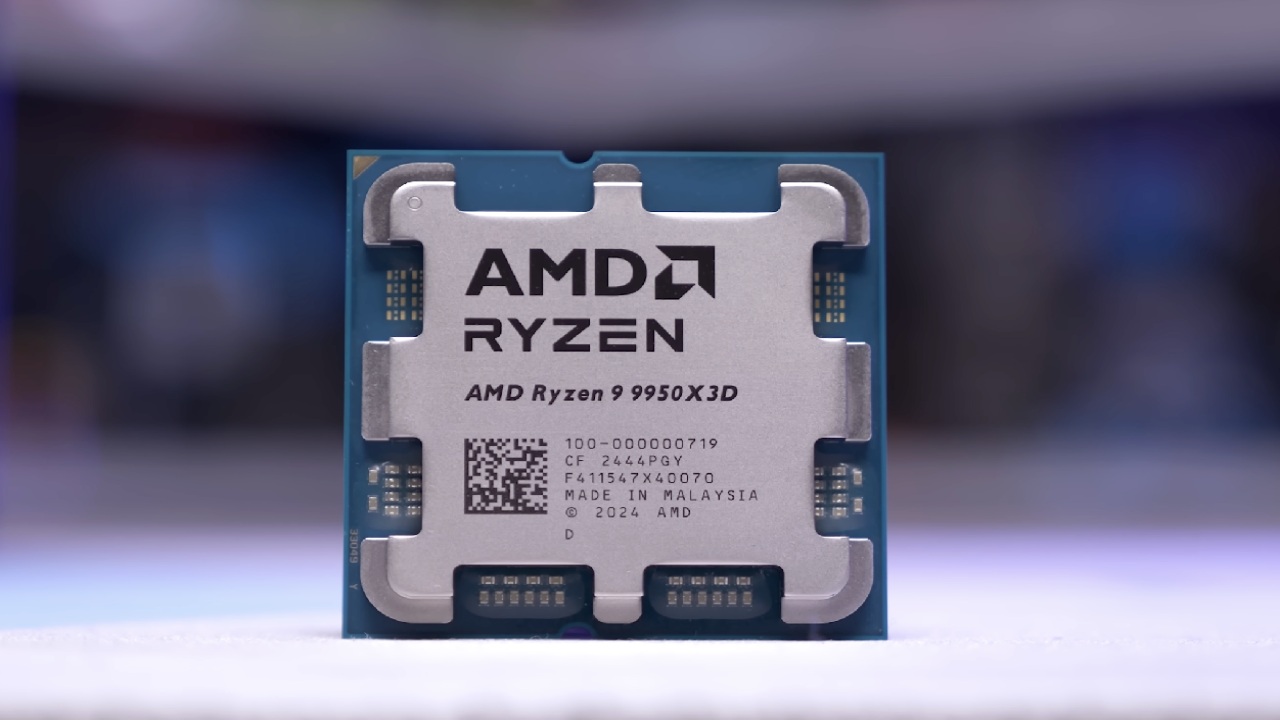
This is interesting because there's also speculation that desktop Zen 6 chips might be delayed, which could mean mobile products become AMD's main focus soon.
Zen 6 Desktop Processors Could Arrive After Computex 2027
According to recent sources and industry rumors, AMD may be waiting until after Computex 2027 to announce its Zen 6 desktop lineup. If so, the company might tease the lineup sometime in 2027 before unveiling the CPUs later that year.
AMD could instead prioritize mobile Zen 6 processors, although it remains unclear whether the entire mobile lineup will arrive first or only selected products. The company's Zen 6 and Zen 6C designs are also planned to provide different core configurations. Zen 6 would normally support a 12-core CCD, but Zen 6C is said to support up to 32 cores per CCD.
These configurations suggest high-end Zen 6 desktop CPUs could scale to 24 cores and 48 threads. These parameters are not finalized yet, however.
AI and Server Demand Could Be Behind the Delay
One possible explanation for AMD's changing priorities is the growing demand for EPYC server processors. AMD's share of the enterprise market is increasing, with demand coming from AI startups, cloud computing providers, and enterprises with massive server infrastructures. But it's not just AI development. Website hosting, database administration, and other cloud services also consume significant computational power.
Server CPUs bring in a lot of money for AMD, and they have every reason to be focusing on corporate solutions. That's because server and consumer processors are made in the same manufacturing facilities, and a push to boost server hardware output could impact the supply of desktop CPUs.
Intel Nova Lake Could Launch Without Zen 6 Competition
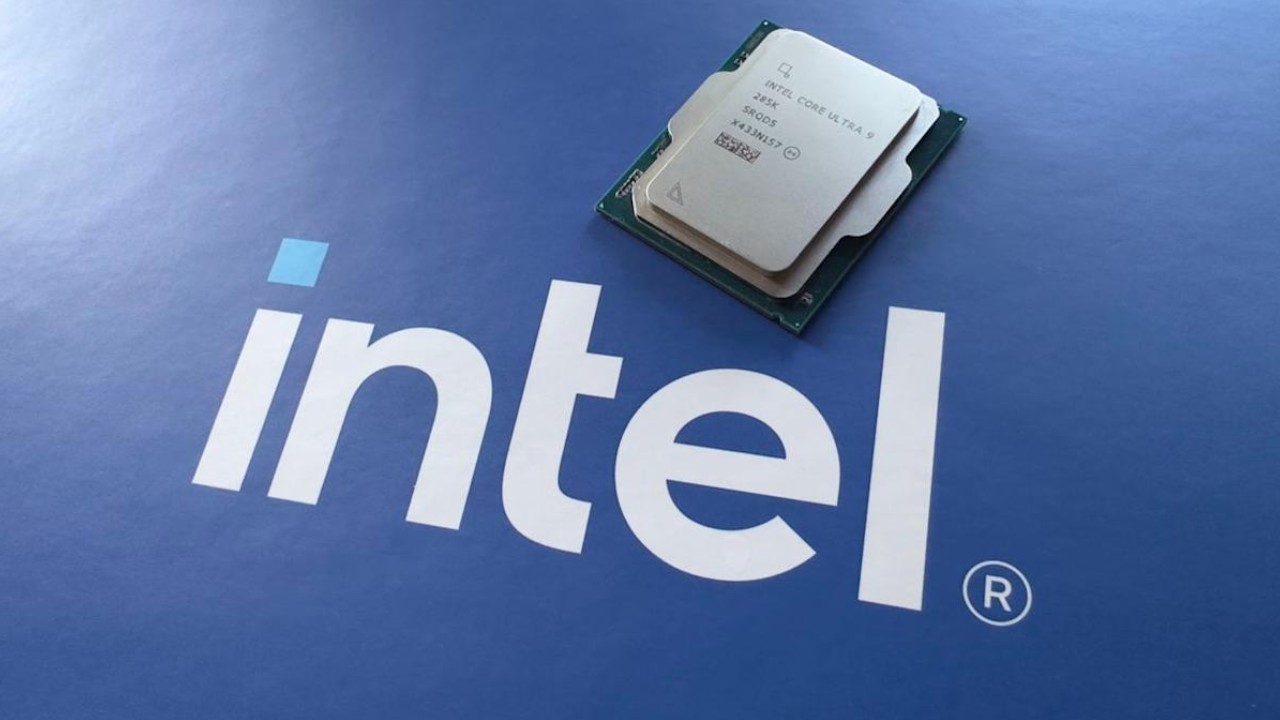
AMD's desktop chips could be delayed, which could mean Intel's next Nova Lake portfolio beats them to market. That would mean Intel would at first be mostly battling AMD's current Zen 5 chips. Nova Lake might deliver solid gaming performance, but its success will depend on final specs, pricing, and real-world benchmarks.
Intel has exciting hardware ambitions, but they've executed them unevenly at times. Therefore, Nova Lake might be a crucial release if AMD's desktop Zen 6 CPUs are delayed.
NAND Prices Decline While CoreWeave Faces Questions
There is some good news for PC builders since NAND contract prices are allegedly falling each quarter. This could ultimately help lower the cost of NVMe SSDs, but memory prices remain a big issue.
Meanwhile, the financial status of AI infrastructure startup CoreWeave is drawing attention. One of the co-founders, Brian, reportedly bought $30 million of the company's unsecured bonds at face value and expressed confidence in its future.
But sources indicate that CoreWeave's three co-founders have sold more than $3.3 billion in shares since its IPO, including almost $2.4 billion in 2026. Brian reportedly sold almost $1.2 billion worth of stock. Founders often sell shares after an IPO, but the size of these deals raises concerns about the company's long-term financial prospects.
What This Means for PC Builders
AMD's probable delay on Zen 6 desktops might offer Intel a chance to solidify its position with Nova Lake before its primary opponent can strike back. Meanwhile, AMD seems more focused on addressing demand in corporate and AI infrastructure.
We'll find out more about the company's near-term ambitions at CES 2027, especially if mobile Zen 6 chips will beat their desktop siblings to market.
FAQ
Q. When are AMD Zen 6 desktop CPUs expected to launch?
A. AMD Zen 6 desktop CPUs are reportedly delayed until after Computex 2027, with a potential launch in the latter part of 2027.
Q. Why could AMD delay its Zen 6 desktop processors?
A. Growing demand for EPYC server processors, AI infrastructure, and enterprise computing could push AMD to prioritize server and mobile products over desktop CPUs.
Q. Will AMD launch mobile Zen 6 processors before desktop CPUs?
A. Recent rumors suggest AMD could prioritize mobile Zen 6 processors, although the exact launch schedule and lineup remain unconfirmed.
Q. Could Intel Nova Lake launch before AMD Zen 6?
A. Yes. Current rumors suggest Intel Nova Lake could arrive before AMD's desktop Zen 6 processors, potentially giving Intel an early advantage in the next-generation desktop CPU market.
Senior Editor, NoobFeed
Gaming Hardware Updates
No Data.