
AMD Zen 6 Could Reach 6.5GHz as PlayStation 6 Adopts Zen 6C
AMD's Zen 6 architecture promises higher clock speeds, improved internal resources, and important design changes for next-generation gaming platforms.
Hardware by Tanvir Kabbo on Nov 18, 2026
AMD's upcoming Zen 6 architecture is generating considerable interest as new information reveals potential improvements to its internal design, clock frequencies, and core configurations. Beyond desktop processors, the architecture is also expected to influence next-generation gaming consoles.
Sony's decision to use Zen 6C cores in the PlayStation 6 is particularly interesting, as their architectural characteristics could help address memory latency and other console-specific requirements.

AMD Zen 6 Introduces Significant Architectural Changes
According to information highlighted by Chips and Cheese, AMD is making several changes to the internal structures of its Zen 6 architecture compared with Zen 5. The reorder buffer increases from 576 to 640 entries, while the integer register file grows from 288 to 352 entries. The vector register file also increases from 138 to 180 entries. Meanwhile, the 512-bit vector register file remains unchanged at 384 entries.
These improvements suggest that AMD is expanding several important resources within its processor cores. The changes are particularly interesting when comparing standard Zen 6 with its compact Zen 6C variant.
According to Chips and Cheese, several out-of-order execution structures are larger in Zen 6C, allowing the cores to keep more work in flight and better absorb memory latency. This could make the architecture particularly useful in platforms where memory behavior matters.
Why Sony Is Using Zen 6C in the PlayStation 6
Sony's upcoming PlayStation 6, reportedly known internally as Orion, is expected to use seven to eight Zen 6C cores alongside a couple of Zen 6 LP cores. Updated specifications suggest that seven Zen 6C cores could be enabled, with another potentially disabled to improve manufacturing yields. The Canis handheld system is also expected to feature a combination of Zen 6C and two Zen 6 LP cores.
One possible explanation for Sony's decision involves the console's expected GDDR7 memory configuration. Compared with conventional DDR5 system memory, GDDR7 has different latency characteristics, making memory management an important consideration for processor design.
Zen 6C's expanded out-of-order execution resources could help keep more instructions in flight while waiting for memory operations to complete. This would help the processor manage latency and maintain efficient performance.
Standard Zen 6 cores, meanwhile, are primarily designed to prioritize higher clock frequencies, whereas Zen 6C focuses more on core density and efficiency. With configurations potentially supporting up to 32 cores, Zen 6C offers AMD greater flexibility for different hardware platforms.
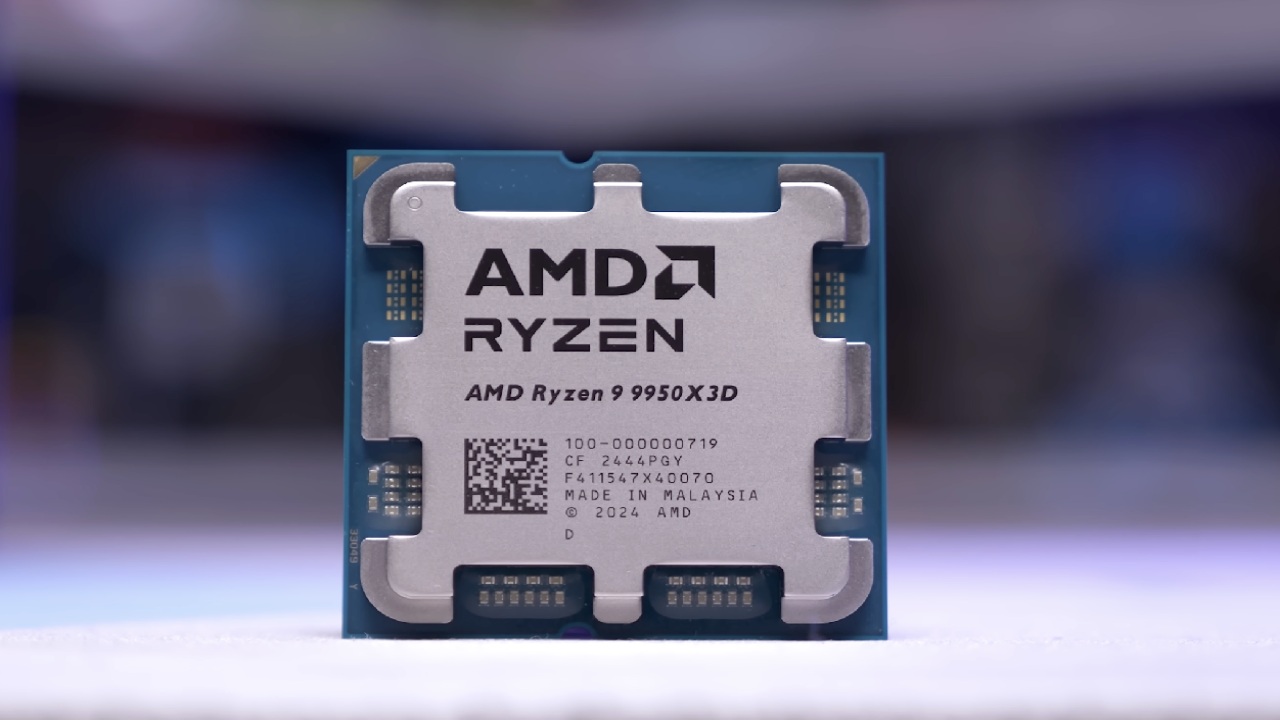
AMD Zen 6 Clock Speeds Could Reach 6.5GHz
Clock frequencies are another major talking point. According to hardware leakers, AMD's next-generation Zen 6 processors could reach about 5.5GHz to 5.7GHz across all 24 cores in a high-end configuration. Single-threaded performance could potentially reach around 6.5GHz under suitable conditions. However, these figures remain unconfirmed and should be treated as early predictions, not final specifications.
Achieving 6.5GHz across every workload would be considerably more difficult than reaching that frequency in lightly threaded applications. Heavy workloads involving AVX instructions can place different demands on a processor compared with less demanding applications.
With some manual tuning, reaching the mid-6GHz range could be possible, although achieving those frequencies out of the box would be particularly impressive. If these predictions prove accurate, Zen 6 could reach clock frequencies comparable to those achieved by current high-end Zen 5 processors, such as the Ryzen 9 9950X3D, in lightly threaded workloads.
Intel Nova Lake Could Face Strong Competition
AMD's potential gains could also challenge Intel's upcoming Nova Lake architecture. Expectations surrounding Nova Lake have been mixed, with reports suggesting promising IPC improvements while raising questions about achievable clock frequencies.
This makes it difficult to determine how competitive Intel's next-generation processors will be against Zen 6, particularly in gaming workloads. Competition between AMD and Intel remains important for the desktop CPU market. More competitive products can encourage improvements in performance, efficiency, and pricing.
For consumers planning their next PC upgrade, the combination of AMD Zen 6 and Intel Nova Lake could make the next processor generation particularly interesting.
FAQ
Q. What clock speeds could AMD Zen 6 processors achieve?
A. Early speculation suggests that AMD Zen 6 could reach approximately 5.5GHz to 5.7GHz across multiple cores, with single-threaded frequencies potentially reaching 6.5GHz under suitable conditions.
Q. Why is Sony reportedly using Zen 6C cores in the PlayStation 6?
A. Zen 6C features expanded out-of-order execution resources that could help manage memory latency. This characteristic may benefit the PlayStation 6's expected GDDR7 memory configuration.
Q. What is the difference between AMD Zen 6 and Zen 6C?
A. Standard Zen 6 cores prioritize higher clock frequencies, while Zen 6C focuses on greater core density and efficiency. Zen 6C also features larger out-of-order execution structures to help manage memory latency.
Q. How many Zen 6C cores could the PlayStation 6 feature?
A. Current reports suggest that the PlayStation 6 could use seven enabled Zen 6C cores alongside a couple of Zen 6 LP cores, with another Zen 6C core potentially disabled to improve manufacturing yields.
Senior Editor, NoobFeed
Gaming Hardware Updates
No Data.