
Intel Nova Lake-S CPUs Reportedly Locked to 5.1 GHz Above 90°C
Intel's reported thermal restrictions could reshape Nova Lake-S performance expectations and force enthusiasts to rethink their cooling strategies.
Hardware by Tanvir Kabbo on Nov 07, 2026
Intel's next Nova Lake-S desktop processors might come with a contentious new thermal limit that will affect how enthusiasts think about cooling and overclocking. According to early information from hardware leaker Jaykihn, Intel may use a hard frequency cap above the 90°C threshold, limiting max core speeds to 5.1 GHz regardless of the chip's performance capability.
That could be a big factor for PC builders and overclockers building a next-gen desktop setup. Rather than relying solely on standard thermal throttling, Intel appears to be considering an extra temperature-based frequency limiter. While the move may improve CPU stability, it also raises questions about how much control enthusiasts will have over their unlocked hardware.
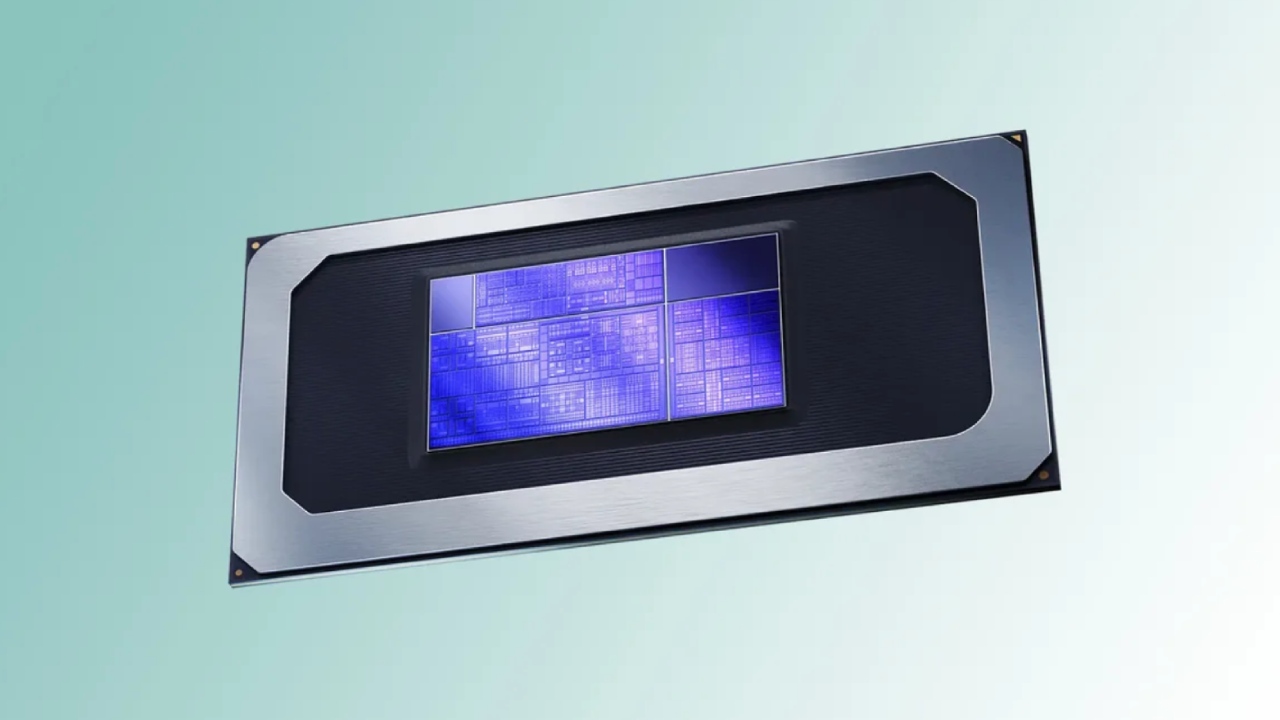
The 90°C / 5.1 GHz Rule: A New Thermal Restriction
The mechanism presented is quite simple. Jaykihn also says Nova Lake-S desktop CPUs will be capped at 5.1 GHz when temperatures go above 90 degrees Celsius. It's said to be across the PC portfolio, not just flagship models.
But 5.1 GHz is not the top frequency of Nova Lake-S. Processors running below 90C should still be able to hit higher boost clocks if power, voltage, and other operational circumstances allow.
More importantly, this restriction is reportedly separate from traditional thermal throttling. Nova Lake-S is still expected to retain a 100°C TJMax, meaning conventional thermal protection will activate when the processor reaches its maximum junction temperature.
Essentially, Intel could introduce two separate thermal boundaries. Reportedly, crossing 90°C would cap the core frequency at 5.1 GHz, with temperatures hitting 100°C leading to typical thermal throttling.
This ten-degree gap suggests Intel wants to intervene before the processor hits its key thermal operating point. It appears the corporation is setting an earlier performance ceiling, instead of letting those higher boost frequencies run wild until it has to throttle the usual way.
BIOS Adjustments Might Not Bypass the Limit
What's perhaps most frustrating about this disclosure is the report that the 90°C threshold can't be modified. Jaykihn says that the limit might be hard-coded, similar to the existing TJMax protection.
If you are used to fiddling about with your motherboard's BIOS, this would be a major limitation. Manual overclocking often means tweaking multipliers, voltage, power limitations, and thermal factors to squeeze out more performance.
If the claim restriction is implemented in hardware or firmware, BIOS adjustments to raise temperature limits would not allow access to frequencies beyond 5.1 GHz when the processor reaches above 90°C. Overclocking would not necessarily disappear, but Intel could remove some of the flexibility that makes unlocked desktop processors attractive to enthusiasts.
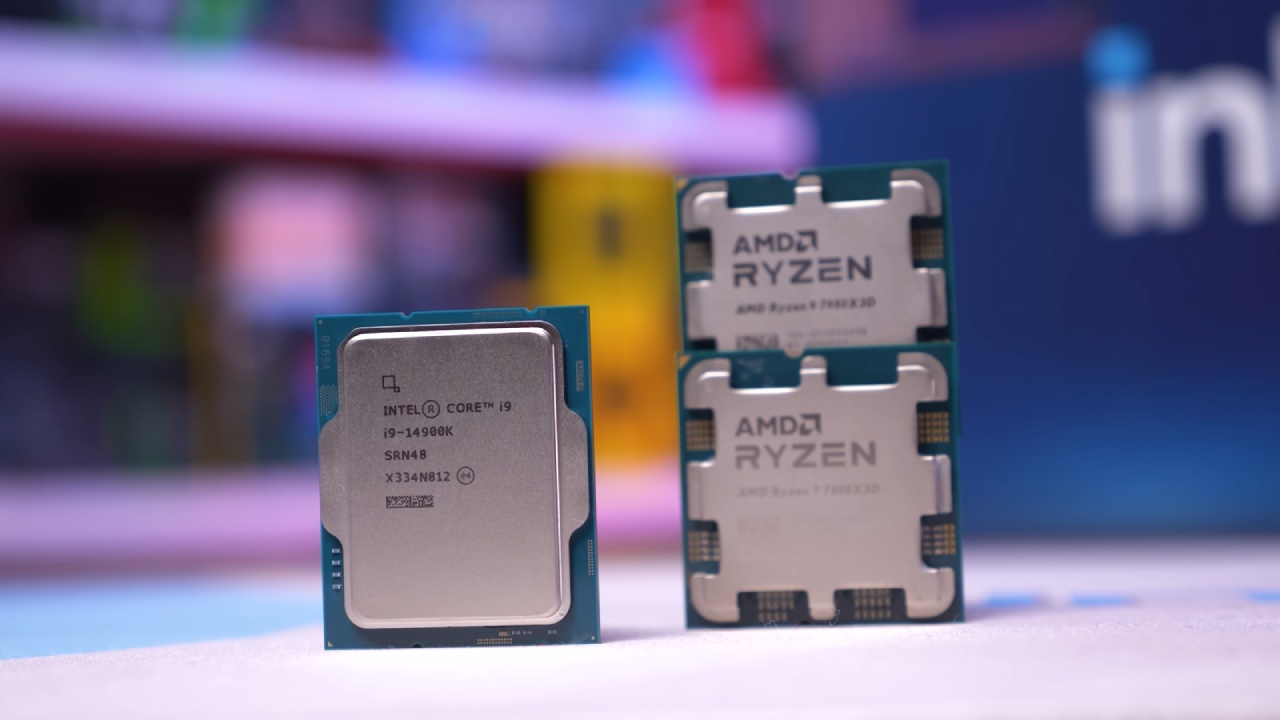
The Raptor Lake Hangover: Intel's Reliability Concerns
There is an understandable reason behind this potentially aggressive thermal policy. Intel has spent considerable time trying to get to the bottom of the dependability controversy surrounding its 13th- and 14th-gen Raptor Lake CPUs.
Reports of instability, crashes, and CPU degradation dented faith in several of Intel's most capable desktop products. Intel's study identified a microcode issue that caused higher operating voltages. Subsequent microcode updates introduced additional safeguards to address the problem.
Nova Lake-S represents an opportunity for Intel to rebuild that confidence. The reported 90°C restriction suggests the company may be approaching its next desktop generation with a much more conservative approach to operating conditions.
However, temperature alone does not determine CPU degradation. Voltage behavior, current density, workload characteristics, semiconductor quality, etc. Therefore, this limitation should not be seen as evidence of a universal 90 °C deterioration threshold. Instead, Intel may be seeking more predictable operating conditions and minimizing the chance of extended operation in extreme heat and electrical environments.
Cooling Requirements: Will Builders Need 360mm AIOs?
This limitation could make cooling quality especially critical for enthusiasts looking to push maximum boost frequencies. A Nova Lake-S CPU would allegedly drop to a maximum frequency of 5.1 GHz under heavy load at 90°C, even if it hasn't hit its 100°C TJMax. For flagship configurations, especially with intense productivity tasks, prolonged rendering and benchmarks, a premium 360mm or 420mm AIO liquid cooler may become enticing.
Still, it's too early to declare that every Nova Lake-S processor will need pricey liquid cooling. Peak power draw, CPU specifications, case airflow, and cooling efficiency will determine the real requirements. For less demanding setups, high-end air coolers could still be good enough.
Undervolting might potentially become more useful. This is an unnecessary voltage reduction. You can still run higher boost frequencies and keep temperatures in check. Assuming the system is stable.
FAQ
Q. What is the reported 90°C temperature limit on Intel Nova Lake-S CPUs?
A. According to the leak, Nova Lake-S processors will reportedly limit their maximum core frequency to 5.1 GHz whenever CPU temperatures exceed 90°C.
Q. Is the 90°C frequency limit the same as TJMax on Nova Lake-S?
A. No. The reported 90°C threshold is a separate frequency restriction, while the expected 100°C TJMax remains the traditional thermal throttling limit.
Q. Can users bypass the 5.1 GHz limit through BIOS settings?
A. Reportedly not. The 90°C threshold is expected to be hardcoded, preventing users from raising it through manual BIOS adjustments.
Q. Will Intel Nova Lake-S require a 360mm AIO liquid cooler?
A. Not necessarily. A 360mm or 420mm AIO could help keep temperatures lower in demanding configurations, but cooling needs depend on the processor's power consumption and overall system setup.
Senior Editor, NoobFeed
Gaming Hardware Updates
No Data.