
RTX 5070 vs. RTX 4070 Super: Is NVIDIA's New GPU a Sidegrade?
NVIDIA's RTX 5070 specifications raise concerns about raw performance gains as the RTX 50 Series increasingly relies on AI-powered frame generation.
Hardware by Masaru Hoshino on Nov 06, 2026
NVIDIA's RTX 50 Series was meant to deliver a massive generational performance leap with new architectures, faster memory, and AI-powered capabilities. But the latest specs and performance comparisons indicate the improvements might not be as impressive as hoped.
The RTX 5070, in particular, may struggle to surpass the previous-generation RTX 4070 Super in standard rendering workloads. Which begs the question: is NVIDIA leaning too heavily on the AI-powered frame creation to show off the performance gains of its newest graphics cards?
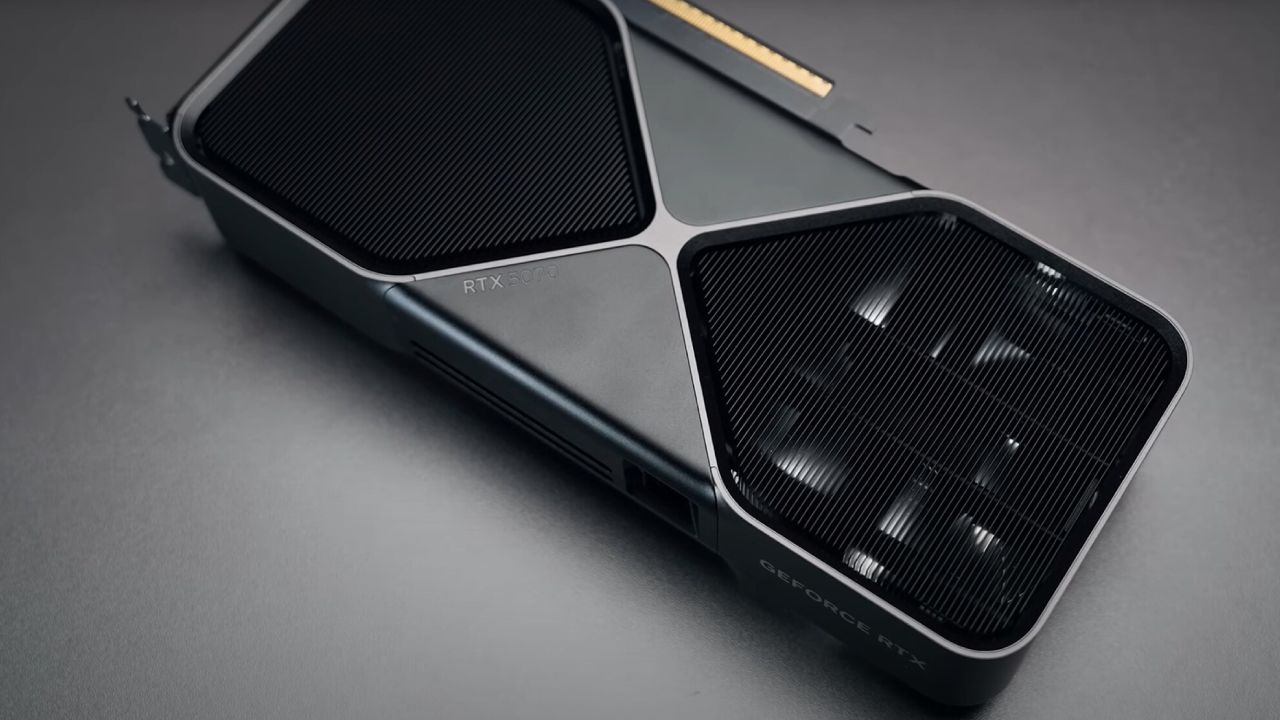
RTX 5070 Specifications Raise Performance Concerns
The RTX 5070 will launch in February 2025 with a starting price of $549 and 12GB of GDDR7 RAM. The faster memory technology seems great, but NVIDIA's own white papers tell a somewhat troubling story compared to the RTX 4070 Super.
The RTX 5070 has 6,144 CUDA cores, which is 14% fewer than the 7,168 CUDA cores in the RTX 4070 Super. It also has fewer Texture Mapping Units (TMUs), with 192 compared to 224 in its predecessor. With the same number of Render Output Units (ROPs) on both GPUs, fewer CUDA cores and TMUs could significantly reduce traditional rendering speed.
When you look at power consumption, things get even more fascinating. The RTX 5070 is rated for 250W, a 14% increase over the RTX 4070 Super. Newer graphics cards may require more power, but they may also perform poorly in some gaming situations. That creates an odd situation: a newer GPU could use more electricity without a noticeable boost in raw performance.

Multi Frame Generation Could Be NVIDIA's Biggest Advantage
So, how is NVIDIA improving the RTX 5070 despite these hardware limitations? A big part of the answer is Multi Frame Generation, an AI-powered system that predicts and generates extra frames to smooth out gameplay.
The RTX 5070 pulled off remarkable frame rates in supported titles with Multi Frame Generation turned on. But when that functionality is off, regular rendering speed becomes the main concern, and that's where the GPU can struggle.
Without Multi Frame Generation, the RTX 5070 may not even beat the RTX 4070 Super. The RTX 50 Series leans more on DLSS and AI-driven frame creation to show any real gains over last-gen GPUs, as NVIDIA's own performance numbers imply.
For gamers who care about native rendering performance, this distinction matters. Generated frames can improve perceived smoothness, but they don't offer the same speed improvement as rendering more frames directly on the GPU.
RTX 50 Series Performance Gains Could Be Smaller Than Expected
The RTX 5070 isn't the only graphics card making people wonder about NVIDIA's generational performance gains. A similar trend appears across other models in the RTX 50 Series lineup. For example, the RTX 5080 is reportedly only 8–9% faster than the RTX 4080 Super in raw performance. Even more surprisingly, the RTX 5090 is just 27% faster than the RTX 4090 without Multi Frame Generation.
For comparison, the RTX 4090 delivered nearly 50% more raw performance than the RTX 3090. This makes the generational improvement offered by the RTX 5090 considerably less impressive than the previous flagship generation. The comparisons show how NVIDIA is increasingly relying on AI-powered technology to boost displayed frame rates, rather than traditional rendering increases alone.
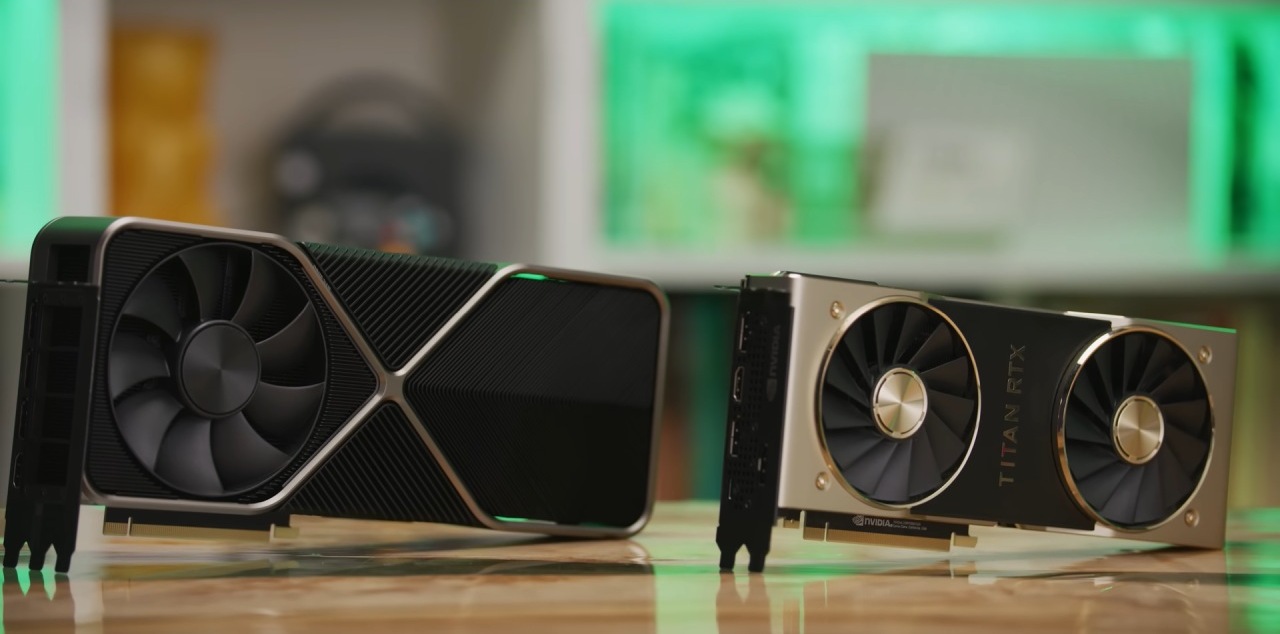
RTX 5070 Could Be More of a Sidegrade Than an Upgrade
So if you were expecting a major performance increase with the RTX 50 Series, you might want to dial back your expectations after reviewing these specifications and comparisons. The RTX 5070 may be more of a sidegrade than a true upgrade over the RTX 4070 Super, especially with Multi Frame Generation turned off.
NVIDIA's AI-based frame generation tech could still offer real gains in supported titles. But raw performance remains a major factor in graphics card comparisons, especially for gamers who prefer native rendering over generated frames.
In the end, the RTX 5070 will live or die on the gaming performance it can offer in the real world, and its price and the impact of new features on the overall experience will matter, too.
FAQ
Q. Could the NVIDIA RTX 5070 be slower than the RTX 4070 Super?
A. Yes. Based on the specifications and performance comparisons discussed, the RTX 5070 could deliver lower raw performance than the RTX 4070 Super in certain scenarios, particularly when Multi Frame Generation is disabled.
Q. How many CUDA cores does the RTX 5070 have?
A. The NVIDIA RTX 5070 features 6,144 CUDA cores, which is 14% fewer than the 7,168 CUDA cores found in the RTX 4070 Super.
Q. What is NVIDIA Multi Frame Generation?
A. Multi Frame Generation is an AI-powered technology that predicts and generates additional frames to improve displayed frame rates and make gameplay appear smoother in supported games.
Q. How much faster is the RTX 5090 than the RTX 4090 without Multi Frame Generation?
A. According to the performance figures discussed, the RTX 5090 is approximately 27% faster than the RTX 4090 in raw performance without Multi Frame Generation.
Editor, NoobFeed
Gaming Hardware Updates
No Data.