
GPU Prices Skyrocket as AMD FSR 4 and Ray Tracing Improve
GPU prices continue to climb as AMD expands FSR support, Microsoft improves ray tracing, and NVIDIA faces RTX 5090 supply concerns.
Hardware by Shinji Okazaki on Nov 05, 2026
GPU prices keep rising, making graphics card upgrades more expensive. At the same time, AMD is expanding FSR support to older hardware, Microsoft is introducing new ray tracing technologies, and Nvidia's RTX 5090 supply situation is raising questions about the card's future. These developments show how pricing, software improvements, and component availability could affect the GPU market and upcoming upgrades.
GPU prices are getting out of control. According to Hardware Unboxed, graphics card prices have risen roughly 35% in three months. Its survey tracked the cheapest in-stock models across 10 markets, including the US, UK, and Germany. Prices rose 15% in August, 7% in September, and 10% in October, excluding the RTX 5090. These increases have compounded over the period.
GPU Prices Rise 35% in Just Three Months
The biggest change is at the high end. In October, the lowest available RTX 5090 listing found in the US was an astonishing $9,400, up from $6,890 in September. That's a surveyed retail price, not Nvidia's official MSRP. RTX 5080 isn't escaping either. Its lowest US price climbed from around $1,580 to $2,200 in just one month. Across surveyed markets, it averaged a 22% increase.
This isn't limited to NVIDIA. AMD's RX 9600 XT 16GB model increased by 17%. RX 9700 and RX 9700 XT rose roughly 12%, while Intel's Arc B580 climbed about 10% on average across surveyed markets. Excluding the RTX 5090, Hardware Unboxed estimates that GPU prices now average 44% above launch MSRP.
Accounting for regional taxes and currency differences, the 35% figure describes selected markets and models, not every graphics card in every store. Compare retailers and check historical prices before buying. A sale sticker isn't necessarily a bargain when the starting price is already inflated. If you're planning an upgrade, checking previous prices can help you determine whether you're getting a reasonable deal.
Our second story brings some better news if you're keeping your current Radeon graphics card. AMD has released FSR Redstone SDK 2.4, introducing FSR Upscaling 4.1.2, Frame Generation 4.0.2, and Ray Regeneration 1.2.1. Machine learning upscaling support is expanding to older hardware, including Radeon RX 6000 graphics cards and certain Ryzen processors.
Microsoft Makes Ray Tracing 66 Times Faster
Now we have Microsoft's ray tracing results. In the DirectX 12 Agility SDK 1.722 preview, Microsoft demonstrated new ray tracing technology on an AMD Radeon RX 9070. One test scene jumped from just 1.2fps to 79fps. That's approximately 66 times faster on the same graphics card. Total memory used by the finished ray tracing acceleration structures fell from 7,519MB to just 774MB, reducing memory usage by nearly 90%.
Here's how the technology works. Ray tracing uses special data structures to determine which objects rays might hit. Rebuilding these structures whenever detailed objects move can be expensive. Microsoft's clustered geometry splits complex models into smaller, reusable pieces. Another technology, partitioned top-level acceleration structures, updates only sections of a scene that have changed instead of rebuilding the entire structure.
However, there's a reality check. A 66x performance increase doesn't mean your favorite game will suddenly run at 66x the FPS. Microsoft warns that this is a specialized developer test, not a typical gaming benchmark. Performance depends on the scene and workload, and the new method can require more temporary memory during the building process.
The key point is that dedicated ray-tracing hardware isn't required.
NVIDIA confirms support for all RTX generations, including the RTX 20 series. AMD currently supports RX 9000 GPUs, while Intel lists Arc B series and certain Core Ultra graphics. These features are experimental and require developer adoption and compatible drivers. However, they could make detailed ray tracing more efficient in future games without requiring a new generation of graphics cards.
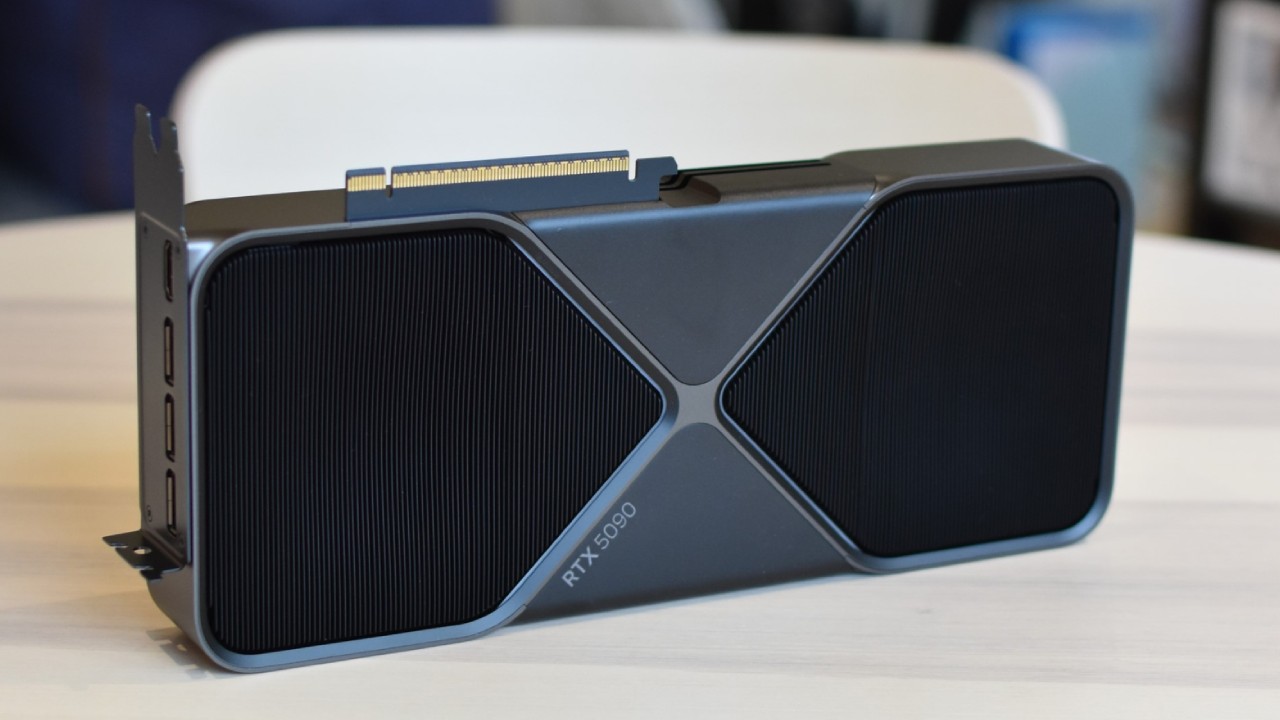
Finally, the mystery surrounding Nvidia's RTX 5090 is getting deeper. NVIDIA says the card hasn't been discontinued and will continue shipping despite production constraints. However, hardware expert Der8auer has reported a different experience from the supply chain. According to a board partner he contacted, the company hasn't received an official end-of-life notice.
Yet it reportedly cannot place new orders for the GB202 GPU bundled with 32GB of GDDR7 memory, the components required to manufacture the RTX 5090. Even backorders are reportedly unavailable. A graphics card can remain officially active even when manufacturers struggle to obtain components. However, one report doesn't prove that every board partner faces the same restrictions.
FAQ
Q. Why have GPU prices increased by 35% in three months?
A. According to Hardware Unboxed, GPU prices increased by roughly 35% across surveyed markets over three months, with Nvidia, AMD, and Intel graphics cards all experiencing price increases.
Q. Does AMD FSR Redstone SDK 2.4 support older Radeon GPUs?
A. Yes. AMD has expanded machine learning upscaling support to Radeon RX 6000 graphics cards and certain Ryzen processors. However, developers must integrate the updated SDK for games to use the new features.
Q. How did Microsoft make ray tracing 66 times faster?
A. Microsoft used clustered geometry, partitioned top-level acceleration structures (PTLAS), and GPU-driven operations to reduce the time required to build ray tracing acceleration structures from 788 milliseconds to 3.11 milliseconds in its demonstration.
Q. Has Nvidia discontinued the RTX 5090?
A. No. Nvidia says the RTX 5090 has not been discontinued and will continue shipping despite production constraints. However, reports suggest that some board partners are struggling to order the GB202 GPU required to manufacture the card.
Editor, NoobFeed
Gaming Hardware Updates
No Data.