
Snapdragon X2 Elite Adreno Driver Causes 87% AI Performance Drop
Qualcomm's latest graphics driver exposes the growing gap between Snapdragon X2 Elite hardware capabilities and Windows on Arm software stability.
Hardware by Tanvir Kabbo on Nov 04, 2026
Qualcomm's Windows on ARM dreams have suffered another severe blow, and this time the issue appears to stem from the company's own graphics driver team. Qualcomm's PC hardware makes a big leap with the Snapdragon X2 Elite, which has an Oryon CPU architecture that delivers competitive processing power for demanding laptop applications. But who cares about good hardware when software updates kill the performance users actually experience?
The new Adreno GPU driver (32.0.181.0) appears to introduce serious performance regressions in several productivity programs. Users are reporting significant slowdowns in local AI inference and Adobe Premiere Pro rendering, raising further questions about Qualcomm's ability to deliver a reliable software environment for its Windows on Arm platform.
These are not little benchmark fluctuations. Some workloads have reportedly seen performance drop by as much as 87% – a sign that a normal graphics driver update has introduced a potentially significant issue within Qualcomm's GPU software stack.
Local AI Performance Suffers an 87% Collapse
The most dangerous backslide is running huge language models locally. Testing shows that a Snapdragon X2 Elite machine running the OpenCL backend for llama.cpp saw significant drops in text production speeds after the driver was updated from version 32.0.172.2 to 32.0.181.0.
The comparison with Qwen3 models indicates how dire the situation is. Qwen3-0.6 B's stated generation throughput dropped from about 98.1 tokens per second to just 12.8 tokens per second. That is a nearly 87% drop in LLM performance and makes what would otherwise be a responsive local AI experience significantly sluggish.
Larger models were affected as well. Qwen3-4B reportedly declined from 29.5 tokens per second to 9.0 tokens per second, while Qwen3-Coder-30B-A3B-Instruct dropped from 26.8 tokens per second to just 5.9 tokens per second.
Interestingly, the available testing suggests the problem isn't affecting every processing component inside the Snapdragon X2 Elite. CPU-based generation reportedly remained relatively stable, with performance changes of approximately 1–4%. NPU performance also stayed within a few percentage points of its previous results.
GPU processing with WebGPU maintained pretty steady performance in the smaller Qwen3 model. This distinction matters because it points to a potential regression in Qualcomm's OpenCL implementation rather than a fundamental worsening of the Adreno GPU itself.
For developers and enthusiasts experimenting with local AI, this is a significant problem. GPU acceleration is essential for achieving reasonable inference speeds when running increasingly sophisticated models locally. Losing most of that acceleration through a driver update undermines one of the major productivity advantages Qualcomm wants its latest processors to deliver.
Adobe Premiere Pro Rendering Becomes Six Times Slower
Local AI is not the only workload reportedly affected by the latest Adreno driver. Video production has also hit serious problems, with Adobe Premiere Pro users describing dramatically longer render times after the update.
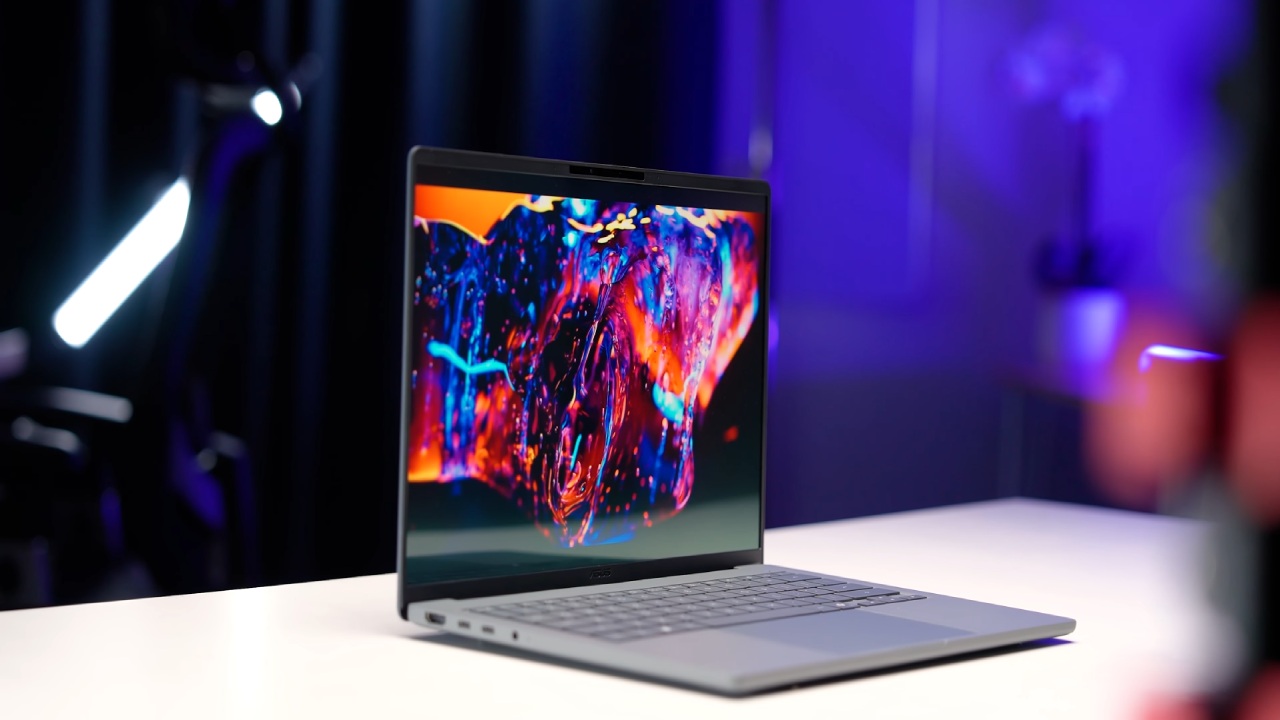
One Snapdragon X2 Elite owner using an ASUS Zenbook A16 reported that a standard seven-minute 1080p video previously required approximately 1 minute and 40 seconds to render. After installing driver 32.0.181.0, the same export reportedly took around 10 minutes to complete. This means rendering times are about 6x longer, which is a serious penalty for the productivity of content makers who rely on fast video processing.
If you're a professional user, consistent rendering is as important as peak speed. A laptop that exports at great speeds one week and then slows down dramatically after a regular upgrade creates additional uncertainty in production workflows.
The Premiere Pro report doesn't offer the same level of granular benchmark comparison as the local AI testing. But the OpenCL bug casts a shadow of doubt on the overall stability of Qualcomm's graphics engine.
Qualcomm's Hardware Progress Is Being Undermined by Software
Qualcomm is showing real progress in building competitive PC processors with the Snapdragon X2 Elite. The Oryon CPU architecture is a good base for Windows laptops that need to perform well. At the same time, the integrated Adreno GPU and dedicated AI hardware add further power for demanding workloads. Yet these studies underscore the uneasy gap between the technology's potential and the software's execution.
GPU drivers govern how applications interact with graphics hardware, workloads, and acceleration technologies. Poor driver optimization can therefore destroy many of the performance advantages that otherwise capable silicon brings to the table.
This is particularly concerning for Windows on ARM, where application compatibility and software maturity remain central to wider adoption. Early adopters already have to consider differences in application support and optimization compared with traditional x86 systems. Major performance regressions from graphics updates make that transition even harder.
Senior Editor, NoobFeed
Gaming Hardware Updates
No Data.