
Intel 18A Manufacturing Takes a Hit as Server Demand Prioritizes Intel 3
Intel's worsening financial outlook exposes growing manufacturing pressures as server demand forces a major reshuffling of advanced production capacity.
Hardware by Tanvir Kabbo on Nov 03, 2026
Intel's Q3 2026 financial meltdown has revealed a widening gap between the company's manufacturing objectives and market reality. Intel's shares fell almost 30% on a massive miss on deteriorating PC demand and an unexpected manufacturing choice, showing how bad the company's current supply crisis has gotten. The company is apparently moving some of its leading-edge 18A capacity over to the older Intel 3 process to ramp server processor output.
This is a big deal for Intel. The company is seeking to make 18A the basis for its manufacturing recovery, but current demand for existing Xeon processors is causing it to rethink production priorities. The ruling underscores a hard fact: Intel's long-term goals are increasingly at odds with its short-term income needs.
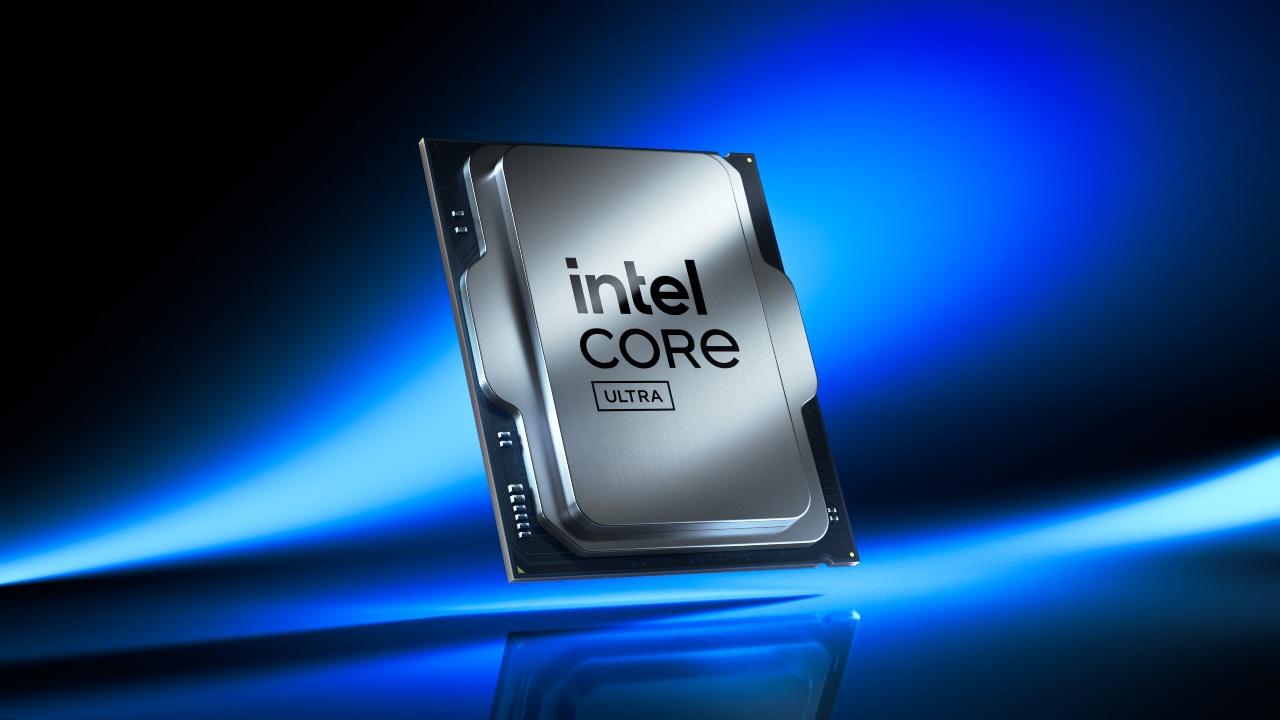
Intel's Financial Guidance Failure Raises Investor Concerns
The biggest issue is how much Intel's expectations have shifted in a relatively short time. CFO David Zinsner said in July that the decrease in PC demand would be quite limited and described the outlook as minor softening. But the latest forecasts are indicating a whopping 20% drop in PC sales in Q4.
That mismatch casts a major shadow on Intel's ability to track customer demand, inventory levels, and component pricing. The stock's near-30 % collapse shows how serious the market reaction was, especially when investors start to question the validity of management's forward-looking statements.
That's what makes the issue all the more upsetting, because Intel isn't hurting across the board. Its server business is growing significantly, suggesting the company's troubles stem from manufacturing allocation and softening customer demand, not a full collapse in demand for its products.
Panther Lake Faces Manufacturing Pressure
The weirdest twist is that Intel is rumored to be shifting output at its Oregon site from 18A capacity to the older Intel 3 technology. This is especially critical for Intel's plans for its next-generation client processor, as the advanced node was supposed to power Panther Lake.
At the core of the company's endeavor to rival TSMC and reestablish its manufacturing credibility is Intel 18A. Intel 3 resource redirection reflects the growing importance of urgent demand for existing server processors over maintaining the original client production allocation.
We can't just flip a switch and modify these industrial methods overnight. Each node needs a unique equipment setup, production certifications, and a manufacturing path. So this is a strategic reallocation of capacity and not just a switch of production.
The financial logic is good, but the opportunity cost is enormous. Every resource that is diverted to Intel 3 can reduce the manufacturing capacity available for Panther Lake. If the trend continues, Intel could face even greater pressure in the competitive client CPU market.
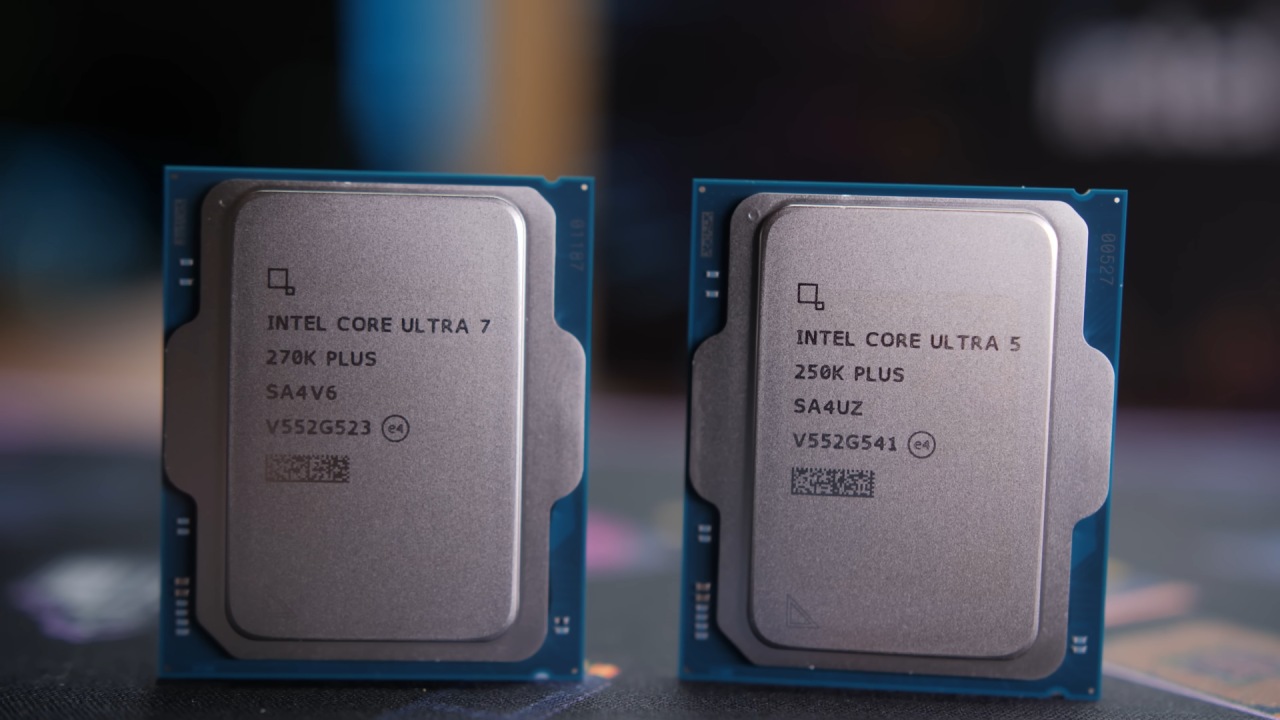
Server Growth Exposes Intel's Manufacturing Priorities
Intel's Data Center and AI business cites this as the reason behind the choice. DCAI revenue allegedly jumped more than 80% to $7.3 billion, driven by higher demand for server CPUs and expanding infrastructure investments.
The Intel 3-based Xeon 6 processors, including Granite Rapids, are especially significant because Intel is struggling to meet current demand. More output would let the organization capture more revenue from clients ready to pay for higher-performance server gear.
But then it creates a bottleneck in manufacturing. Intel has to feed its burgeoning server business without starving the client products that will define its competitive posture.
The situation is even more complex for the company's foundry goals. To win external customers, a manufacturer must show reliable production schedules and have sufficient capacity available. Constantly reallocating resources from internal product priorities might chip away at that confidence.
The Global Memory Crisis Is Hurting Intel's PC Business
As server demand keeps growing, Intel's Client Computing Group is moving in the other direction. CCPG revenue fell 5% year over year as PC demand declined and memory component costs rose. Rising DRAM and NAND prices are making entire computers more expensive, especially in the budget and mid-range categories.
As clients become more hesitant to buy new systems, OEM manufacturers are responding by cutting inventories. That poses another challenge for Intel: Its client business is struggling even as it diverts manufacturing capacity to server products.
Senior Editor, NoobFeed
Gaming Hardware Updates
No Data.