
Intel Xeon Clearwater Forest Enters Mass Production With 576 MB Cache and 288 Cores
Intel’s newest Xeon platform prioritizes rack-level efficiency and throughput density for modern telecom and AI workloads.
Hardware by Tanvir Kabbo on May 25, 2026
After years of delays, roadmap reshuffles, and mounting pressure from both AMD and TSMC, Intel has finally crossed one of the most important milestones in its modern history. The company's next-generation Xeon 6+ "Clearwater Forest" processors have officially entered mass production on the Intel 18A process node, signaling that Intel's aggressive foundry comeback strategy is no longer just a presentation slide.
For Intel, this is bigger than another server launch. The success of 18A directly impacts confidence in Intel Foundry Services, future consumer CPUs, and the company's ability to compete against TSMC-produced silicon across every market segment. Clearwater Forest is the first major proof point that Intel can manufacture highly complex chips on its most advanced node at scale.
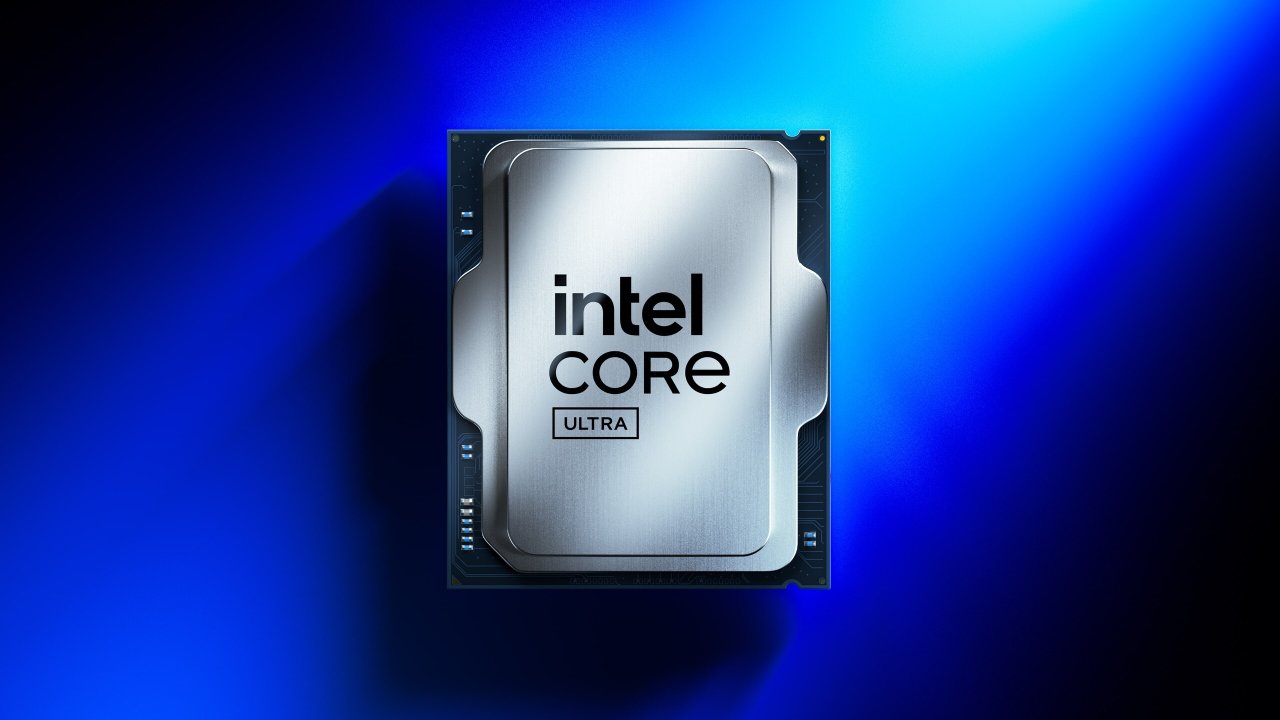
The new Xeon lineup is aimed squarely at telecom infrastructure, 6G networking, edge AI inference, and ultra-dense cloud deployments. Those workloads increasingly prioritize efficiency and parallel throughput over raw single-thread dominance, making Intel's E-Core-heavy strategy a critical part of its data center survival plan.
The 288-Core Monster Intel Built for the AI Edge
Clearwater Forest is an unapologetically massive processor. At its peak configuration, the chip integrates 288 Darkmont E-Cores spread across 12 compute chiplets, making it one of the densest Xeon products Intel has ever assembled. The architectural design showcases nearly every advanced packaging technology Intel has been promoting over the past several years.
The processor utilizes RibbonFET transistors and PowerVia backside power delivery, both considered cornerstone technologies of the Intel 18A node. At the packaging level, Intel combines Foveros Direct3D stacking with EMIB 2.5D interconnects to integrate the entire platform. This is effectively Intel throwing its full manufacturing arsenal into a single product.
The cache subsystem is equally staggering. Clearwater Forest carries an enormous 576 MB L3 Cache alongside 288 MB of L2 Cache, allowing the chip to feed hundreds of E-Cores without becoming memory-starved under heavily parallel workloads.
That cache footprint is critical because modern edge AI and telecom applications depend heavily on maintaining low latency while processing massive concurrent data streams. A chip with 288 cores is meaningless if data movement becomes the bottleneck, and Intel appears to have designed Clearwater Forest specifically to avoid that scenario.
The platform itself is just as aggressive. Built on the LGA 7529 socket, Clearwater Forest supports 12-channel DDR5-8000 memory alongside 96 PCIe 5.0 lanes, all within a massive 450W TDP envelope. Even by server standards, these are extreme specifications designed for hyperscale deployments where throughput density matters more than individual socket power draw.
Why Ericsson's Efficiency Results Matter So Much
The most important part of Intel's announcement may not be the core count at all. It is the efficiency data. According to testing conducted by Ericsson, a single 288-core Clearwater Forest processor achieved over 60% better performance per watt while reducing rack power consumption by 38% compared to a dual-socket 288-core Sierra Forest configuration. That result fundamentally changes the economics of deployment.
In modern data centers, electricity and cooling costs increasingly dictate hardware purchasing decisions. Rack density, thermal constraints, and long-term operational expenses now matter just as much as peak compute performance. If one Clearwater Forest CPU can replace a dual-socket Sierra Forest setup while consuming dramatically less power, operators immediately gain efficiency advantages in space utilization, cooling infrastructure, and operating cost reduction.
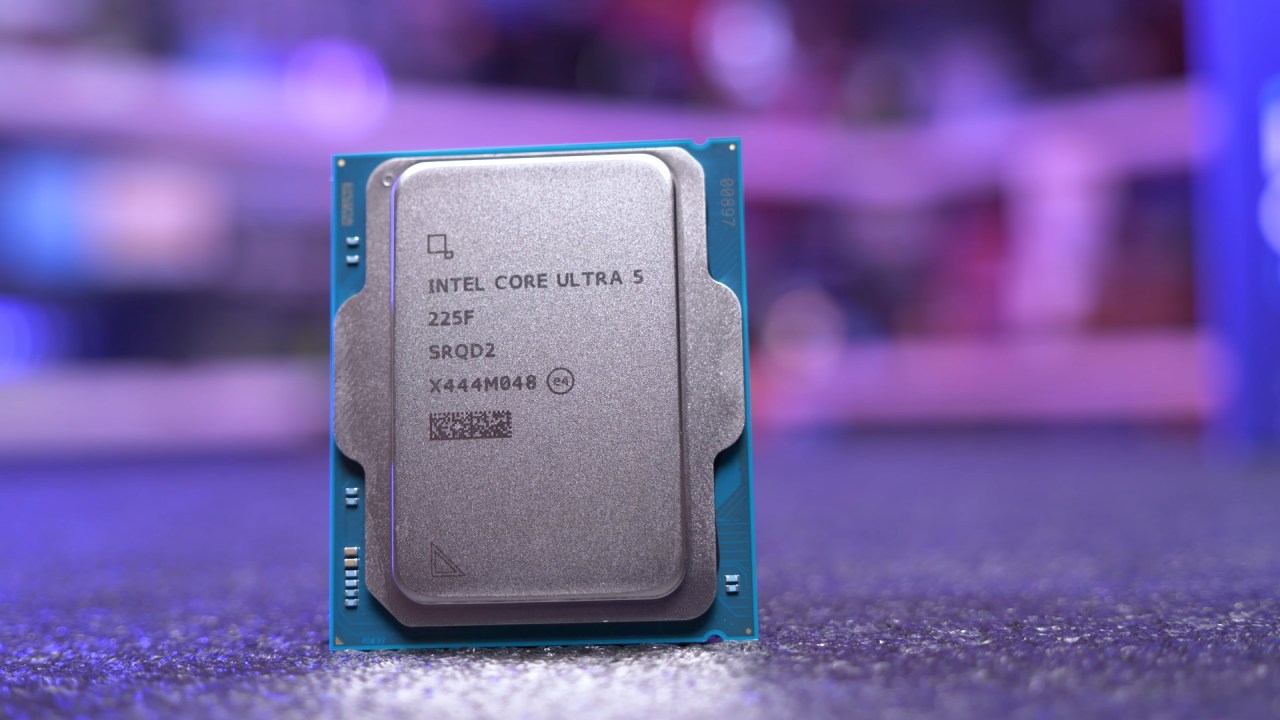
This is exactly why Intel is leaning so heavily into E-Core scaling.
Rather than chasing AMD purely through brute-force performance, Clearwater Forest focuses on maximizing throughput efficiency per watt and per rack unit. For telecom operators and edge AI installations, that strategy makes far more practical sense than deploying enormous high-frequency P-Core-heavy systems.
It also highlights Intel's view of the future of server computing. Massive parallelism, dense packaging, and efficiency-focused compute clusters are becoming the dominant trend as AI inference workloads continue to expand beyond traditional cloud environments.
Intel's Packaging Technology is Becoming the Real Story
One of the most interesting aspects of Clearwater Forest is how much of the product's identity revolves around packaging rather than raw CPU architecture alone. Intel's use of Foveros Direct3D and EMIB 2.5D demonstrates how modern server processors are evolving into interconnected silicon ecosystems rather than traditional monolithic dies.
Advanced packaging is now just as important as transistor scaling itself. That matters for the broader PC industry too. Many of the technologies debuting in Intel's server lineup eventually filter down into consumer processors. Efficient chiplet communication, backside power delivery, and vertically stacked packaging solutions could heavily influence future Core Ultra desktop and laptop designs over the next several generations.
If Intel successfully scales 18A production while maintaining yields on products as complex as Clearwater Forest, it would significantly strengthen confidence in the company's ability to execute future consumer launches on schedule.
Clearwater Forest is more than another Xeon launch.
It is Intel attempting to prove that its manufacturing turnaround is finally becoming a reality. The combination of 288 Darkmont E-Cores, 576 MB L3 Cache, and full-scale Intel 18A production shows a company aggressively pivoting toward efficiency-first server computing. That strategy becomes even more important as Intel continues facing delays and uncertainty around some of its larger P-Core server roadmaps.
The Ericsson efficiency figures are arguably the strongest signal here. Delivering substantial rack-level power reductions while matching dual-socket throughput addresses one of the biggest pain points in modern data centers. For hyperscalers, telecom providers, and edge AI deployments, those gains translate directly into lower operational costs and higher deployment density.
For PC enthusiasts, Clearwater Forest also serves as a critical indicator of Intel's broader future. If Intel 18A succeeds in mass production at this scale, it increases confidence that the same manufacturing technologies powering these Xeon processors could eventually stabilize Intel's consumer roadmap as well.
After years of skepticism surrounding Intel's execution capabilities, Clearwater Forest may finally be the moment where the company starts regaining credibility not through promises, but through silicon already rolling off production lines.
Senior Editor, NoobFeed
Gaming Hardware Updates
No Data.