
NVIDIA RTX 5080 24GB Faces January 2027 Launch Delay
NVIDIA's delayed design kits threaten the RTX 5080 24GB launch as AIB partners struggle to prepare custom graphics cards.
Hardware by Tanvir Kabbo on Nov 03, 2026
The idea of a 24 GB GeForce RTX 5080 has already generated plenty of buzz among high-end PC builders, especially as the current 16 GB variant struggles to justify its increasingly costly price tag. But now, NVIDIA's reported RAM upgrade is reportedly facing a major development delay. Unfortunately, the projected January 2027 launch window is becoming less feasible, with Benchlife reporting that NVIDIA's board partners are still awaiting crucial design kits and documentation.
The timing could not be worse. The RTX 5080 24 GB was supposed to offer a more attractive high-end option for enthusiasts who want more video memory without the heavy premium of the RTX 5090. Instead, the alleged delay means buyers may have to wait longer as NVIDIA's current Blackwell portfolio continues to struggle with availability and pricing issues.
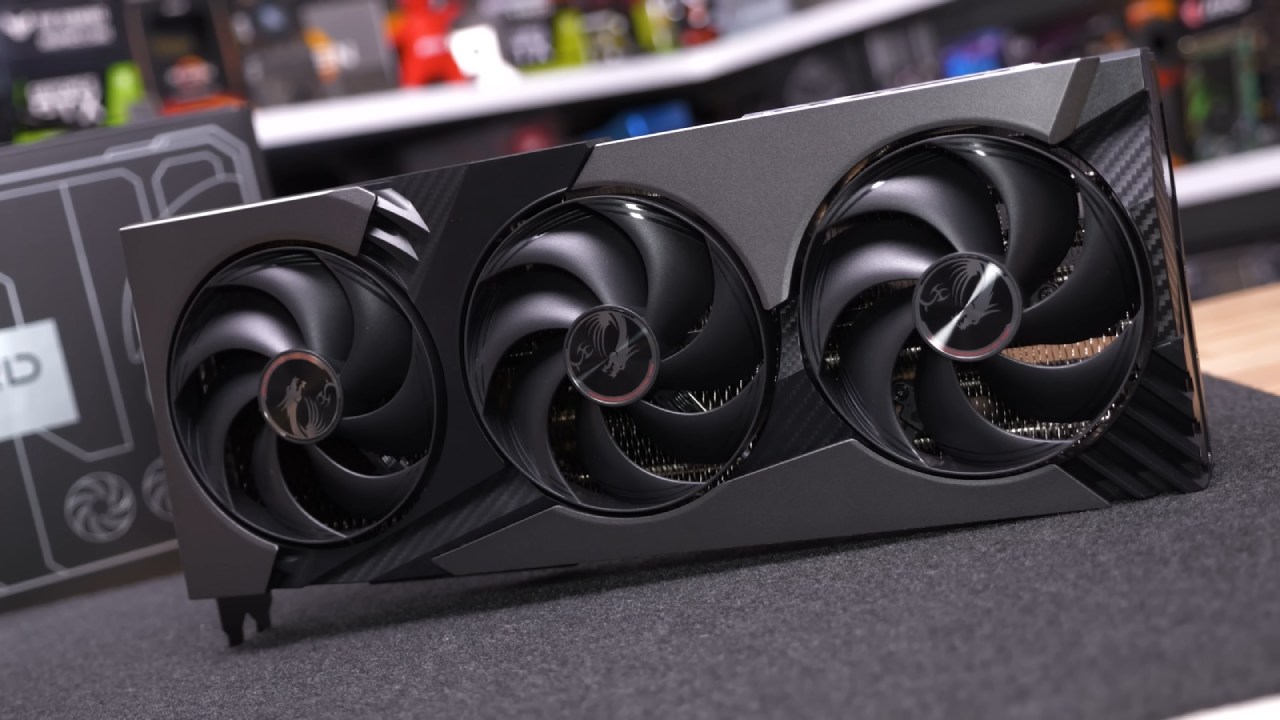
NVIDIA's Delayed Documentation Creates a Manufacturing Bottleneck
The biggest challenge reportedly happens long before a graphics card reaches retail shelves. NVIDIA was slated to give its Add-In-Card (AIC) partners the relevant design documents and hardware development kits in October. The reports, however, suggest the makers have not received the necessary supplies to begin production preparations.
This matters because firms like ASUS, MSI, and Gigabyte cannot simply take an existing RTX 5080 16 GB design and turn it into a 24 GB product immediately. Different memory configurations may necessitate changes to PCB design, memory placement, electrical characteristics, power delivery, and thermal management. Board partners require NVIDIA's certified specs to confidently complete their unique implementations.
With those materials, AIB makers can't complete their engineering timetables or begin the validation processes they need. And you need a suitably finished hardware spec before you can do PCB development, cooler compatibility testing, firmware prep, production certification, etc.
There is also a commercial aspect. AIB partners need to align component procurement, production capacity, and factory schedules long before retail availability. Not all memory parts and special PCB materials can be sourced on the fly, especially as the rest of the graphics card industry enters a supply bottleneck.
A delay in distributing design kits can thus create a scheduling difficulty far larger than the original documentation delay would suggest. Even if NVIDIA can obtain the necessary materials in time, its partners will need time to finish development and build production lines.
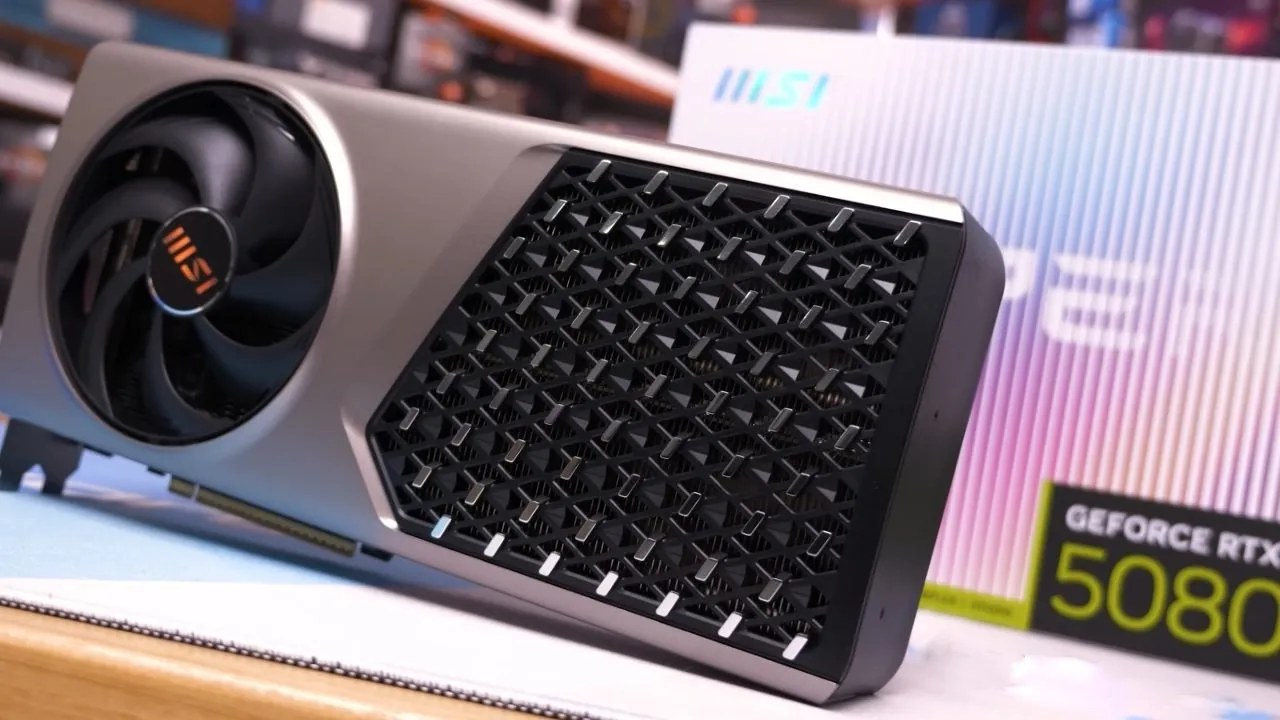
CES 2027 Could Become an RTX 5080 24GB Paper Launch
Beyond the production hurdles, NVIDIA might technically still launch the RTX 5080 24 GB at CES 2027, January 6-9. Big tech events provide a sexy stage for unveiling new gear, especially when the device has already generated a lot of buzz through industry whispers. But an announcement and a real graphics card for sale are two very different things.
If AIB partners miss their design kits in time, we may see a reveal of the better RTX 5080 from NVIDIA without enough custom cards to sell in stores. That would essentially reduce the CES presentation to a paper launch, with the specs and product photographs available before consumers can actually purchase the gadget.
They will require some time to complete their own models, validate hardware specifications, and arrange mass production even after the formal announcement. ASUS, MSI, Gigabyte and other vendors will need to do the same. That could mean retail availability several weeks behind the original January target.
For aficionados, that difference matters. A CES announcement could spark excitement, but it wouldn't fix urgent GPU shortages if shipments remain unavailable.
RTX 5080 and RTX 5090 Shortages Make the Delay More Painful
This announced delay is all the more annoying considering the current state of NVIDIA's high-end graphics card range. The regular RTX 5080 16 GB and top-end RTX 5090 already face serious availability issues and steep price hikes.
That makes it tougher to justify the RTX 5090 for consumers who merely want a powerful gaming GPU and aren't willing to pay massive fees for it. In contrast, the RTX 5080 16 GB has become less interesting as prices move further from the original assumptions for its performance class.
This is exactly where the rumored 24 GB configuration may have helped. More VRAM gives you more room to play demanding games, use high-quality textures, run creative applications, and do activities that suck up a lot of graphics memory. However, more memory doesn't always mean higher frame rates in every gaming scenario.
There's also the subject of price. NVIDIA and its partners will also have to position the 24GB version properly when it eventually launches. A large price increase could kill the appeal, especially since buyers are already upset about the cost of existing Blackwell graphics cards.
Senior Editor, NoobFeed
Gaming Hardware Updates
No Data.