
NVIDIA RTX 5080 and RTX 5070 Ti Face Massive Price Hikes as 24GB Model Looms
NVIDIA RTX 5080 and RTX 5070 Ti prices are climbing as memory shortages and expensive replacement models threaten GPU affordability.
Hardware by Masaru Hoshino on Oct 26, 2026
The high-end GPU market for PC builders is getting harder to justify, and the new price hikes for the NVIDIA RTX 50 series are only making it worse. ASUS and Gigabyte are raising prices on the RTX 5080 16GB and RTX 5070 Ti 16GB in China, with wholesale costs rising, Board Channels reported. Meanwhile, rumors of a $3,000 RTX 5080 24GB successor threaten to push the entire premium segment into even pricier territory, according to TechPowerUp.
For those already grappling with rocketing component prices and memory shortages, this is another distressing development. Instead of obtaining more performance per dollar from new hardware, purchasers may have to pay more for existing GPUs and get no extra performance.
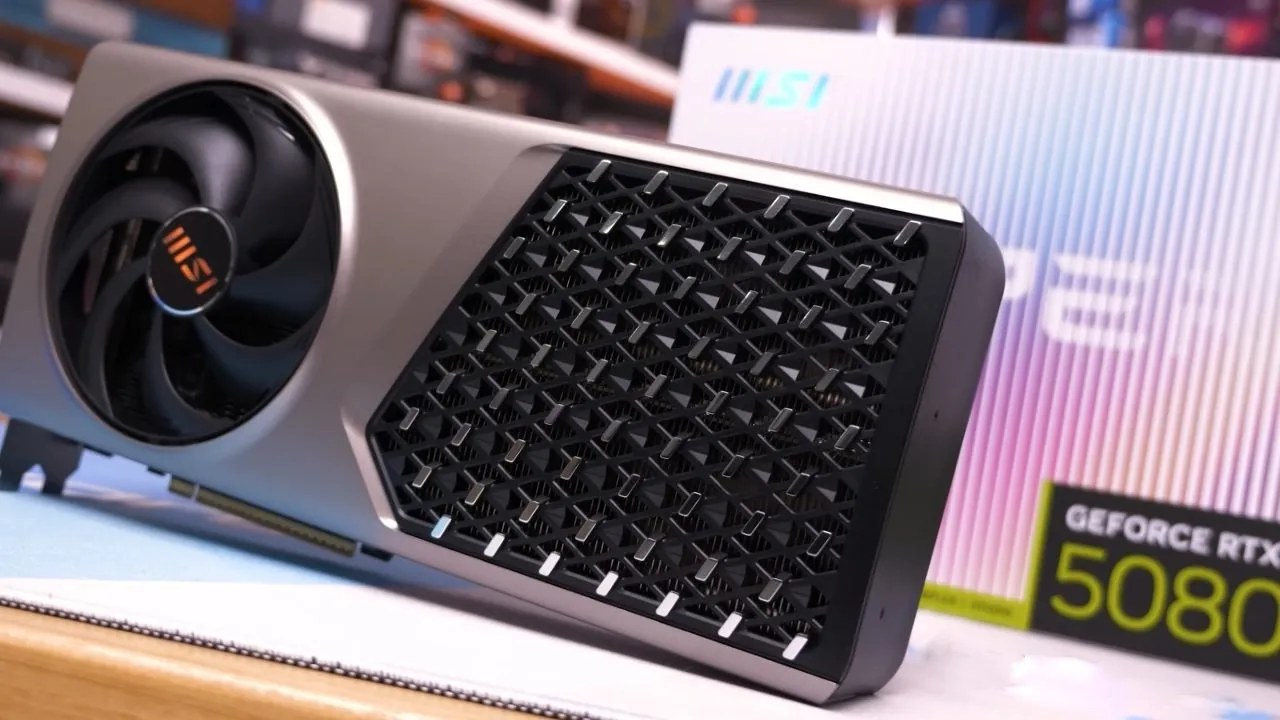
ASUS and Gigabyte Increase RTX 50 Series Prices
The published numbers suggest ASUS is marking up its entire RTX 5080 16GB range by around $150 at wholesale, and Gigabyte by up to $180. These are some serious bumps for a graphics card that's already at the high end of the gaming industry.
Wholesale price changes don't always translate into the same retail price changes, because distributors and retailers have different inventory costs and profit margins. However, when major add-in-board partners raise costs, replacement stock becomes more expensive and eventually puts pressure on consumers.
The frustrating part is that buyers are paying more for the same 16GB configuration. No corresponding performance improvement justifies the added expense, leaving enthusiasts to absorb higher costs simply to access existing hardware.
The RTX 5070 Ti is facing the same heat, with market rises of around $100 reported. The RTX 5080 is more expensive, and rising costs may make high-performance gaming accessible only to the most budget-conscious fans.
Both GPUs include 16GB of GDDR7 memory, which may contribute to overall pricing pressure given the lack of memory supply. While memory availability isn't the reason for every increase, ongoing supply shortages make it hard for manufacturers to keep prices competitive.
China is the main focus of these alleged increases right now, but regional pricing discrepancies mean Western markets won't see the exact same changes right away. Still, it's worth watching, especially with GDDR7 supply expected to be tight into 2028.
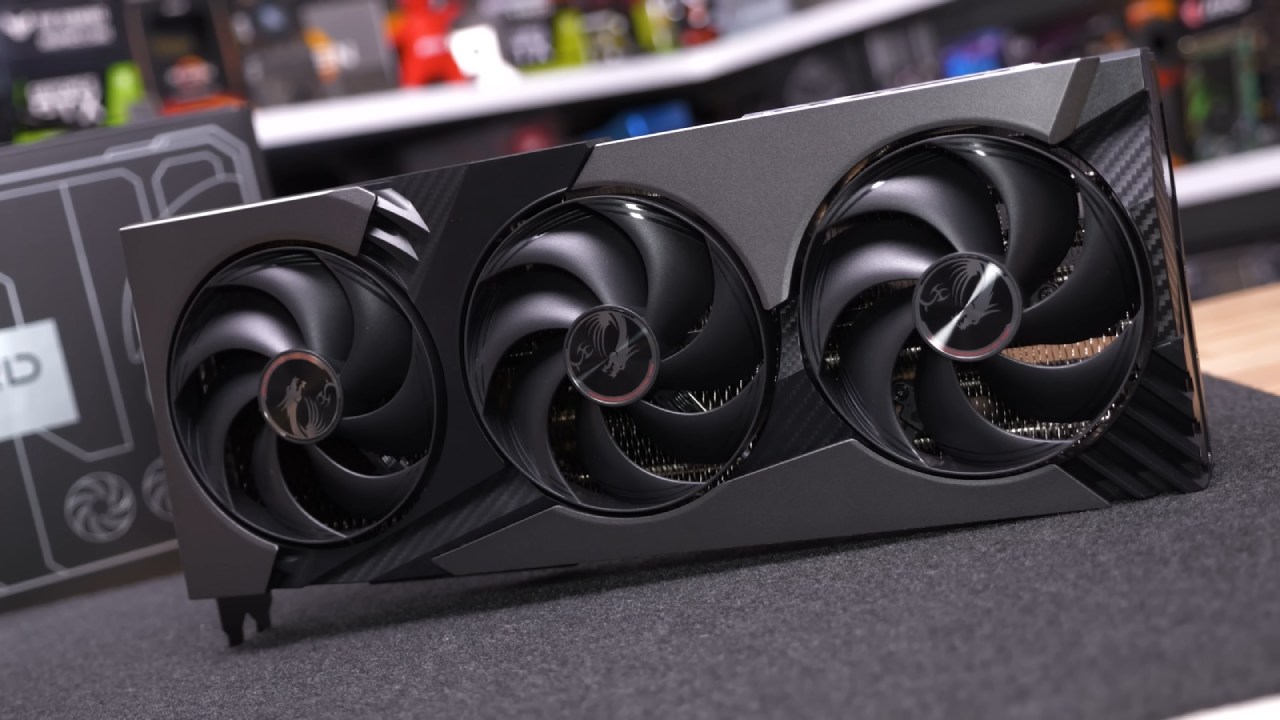
RTX 5080 24GB Could Make Matters Worse
The biggest is the anticipated RTX 5080 24GB, supposedly aimed for Q1 2027 as a replacement for the current 16GB. Its estimated price in China of roughly $3,000 would be out of reach for most gaming PC builders. For demanding gaming, content creation, and on-device AI workloads, an additional 8GB of VRAM would be welcome. But greater RAM doesn't always translate to proportionally better gaming performance.
Ironically, the solution to the 16GB capacity limitation could create a new affordability problem. If the replacement is considerably more expensive, shops might keep selling existing 16GB versions for inflated prices rather than give meaningful discounts. The alleged replacement is unconfirmed, and the exact impact on today's cost is unclear. Add in tight memory supply, and that makes for an unhappy future for premium GPU customers.
Editor, NoobFeed
Gaming Hardware Updates
No Data.