
Nintendo Switch 2 Hacking Scene Is Moving Fast as DS Emulation Reaches Homebrew
The jailbreak scene is always changing, with new exploit alternatives and experimental emulators pushing the limits of what's possible on Nintendo's latest console.
News by Mahi Araf on Oct 25, 2026
Nintendo Switch 2 hacking scene seems to have gone from quiet to chaotic in a matter of days. Once thought to be a difficult system to crack, the console is seeing new exploits, jailbreak developments, and homebrew projects emerge at incredible speed. The most interesting thing isn't just how quickly people are finding ways to bypass the console's security, but what they're beginning to do with that access.
Recent developments have taken things well beyond the initial discoveries. This could mean the specific game used as a gateway to hack the Switch 2 is no longer needed, and the homebrew launcher is opening the door to experimental software like a Nintendo DS emulator. These things are especially fun if you're into seeing what developers can do when they push a console to its limits.
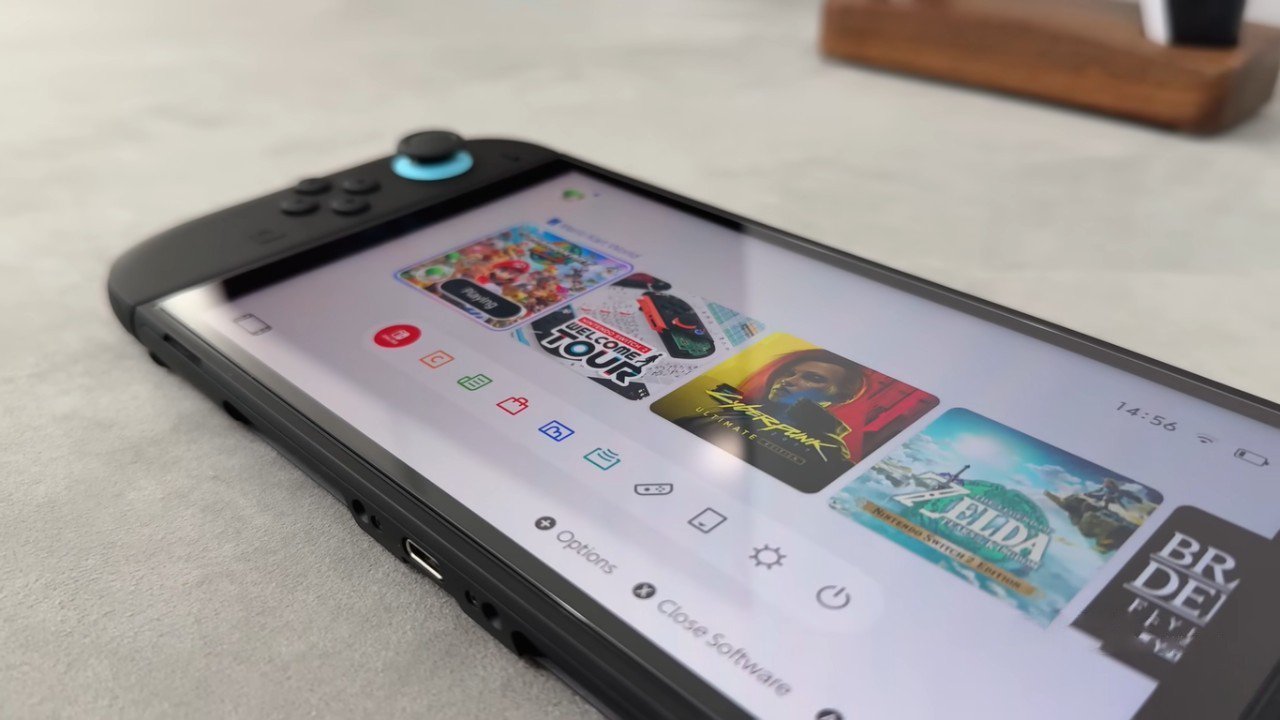
Things are changing so rapidly that meaningful updates are coming hourly rather than weekly or monthly. These developments don't necessarily mean everyone should jailbreak their console. Still, they offer an interesting look at how quickly console security can be challenged, especially with AI's potential to speed things up.
One new development is a preparation guide shared on Reddit in the Nintendo Switch 2 hacking community.
Much of the information is standard precaution, but it also shows how quickly the scene is changing. Not long ago, the conversation was largely about modifying Mario Kart World to introduce new characters. Now, developers are experimenting with homebrew launchers and emulators on the same hardware.
The guide recommends keeping your console on an older firmware version if you intend to explore the hacking scene. Specifically, it advises users whose systems haven't been updated to firmware version 23.0.1 to leave them as they are, since newer firmware could patch vulnerabilities that close off potential exploits. As with other consoles, Nintendo will likely keep releasing updates as vulnerabilities are discovered.
This pattern is familiar across the industry. Sony's PlayStation 5 has also seen various jailbreak developments, and firmware versions can make a big difference in whether certain exploits remain usable. Once a vulnerability is public, manufacturers can patch it, so older software versions matter more for people researching console security.
But the existence of such exploits doesn't necessarily mean disaster for Nintendo. Console hacks have existed for years, dating back to systems such as the Nintendo DS, Wii, and 3DS. Eventually that list grew to include the original Switch, but Nintendo kept selling consoles and games by the bucketload.
The DS era is a good example of how people might use these tools.
Some users tried devices like the Max Media player after reading about it on online gaming forums. Such devices could add functionality, such as ways to run software not normally available through the system's standard interface. For some users, these tools also let them try games they weren't sure they wanted to buy.
That does not mean console hacking has no drawbacks for manufacturers. Nintendo still has reasons to protect its hardware and software, especially when piracy is in play. But the original Switch's commercial success shows that a hacking community doesn't necessarily prevent a console from becoming a massive success. These developments could cause a few more headaches for Nintendo's security teams, but the company is still a multi-billion-dollar company.
AI may now be helping people find and develop exploits faster, which may explain some of the speed behind the latest Switch 2 developments. The hardware is still very new, but the hacking community is already going through multiple stages of experimentation.
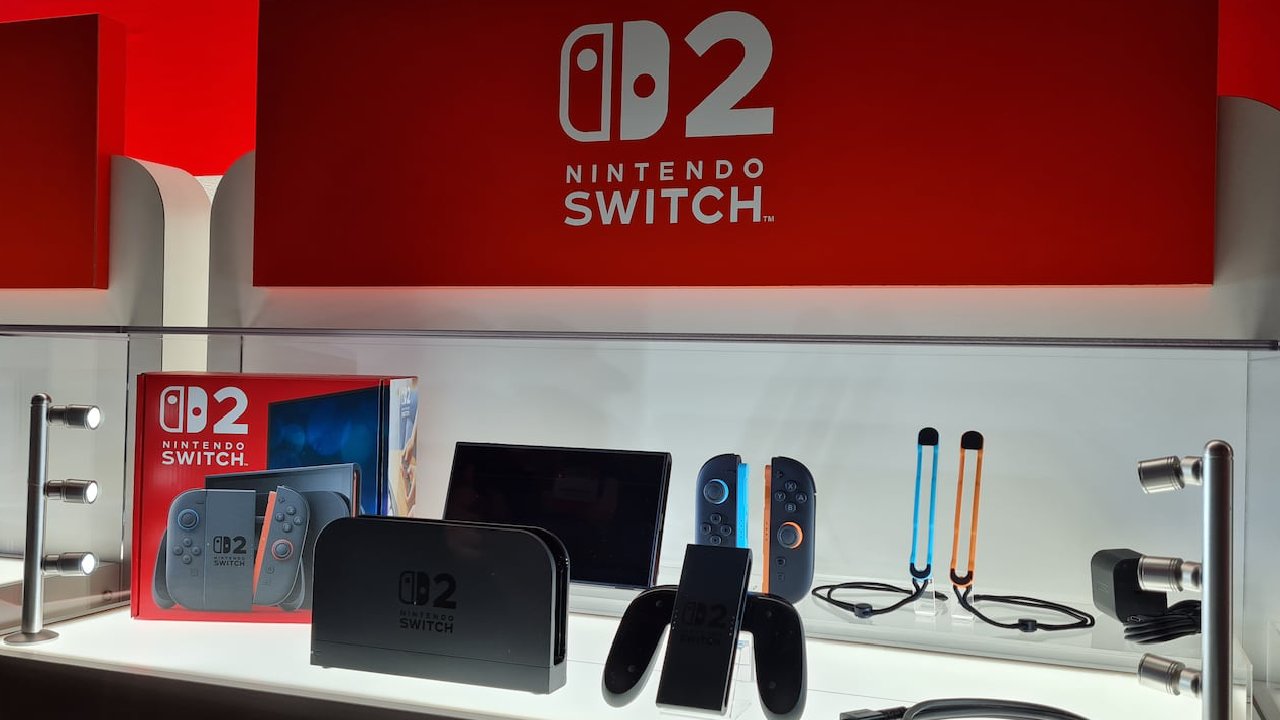
Another big change is SmileBASIC 4, a game previously involved in the Switch 2 hacking process. The game served as an entry point for an exploit that let users connect the console to a PC and start experimenting with modifications.
Nintendo later removed SmileBASIC 4, an original Switch title, from the eShop in every region, so users could no longer buy it through the official storefront.
But that removal may not be much of an obstacle anymore. According to the latest community preparation guide, other methods are emerging, so you don't have to rely on the game. What looked like an easy route into the hacking scene may be less relevant as developers keep considering other options.
The guide also mentions the free demo of Seed so Lullaby, which could be useful for future exploits. The instructions say the demo is enough, so you don't have to buy the full game. The anime-style design and youthful characters have drawn attention, but for the hacking community, the point isn't the content; it's the potential technical utility.
It's mostly a guide to preparing for the changes to come, and what to do if you don't use SmileBASIC 4. This also shows the scene is moving beyond its original entry point. A method that worked at the beginning can quickly become less relevant once researchers discover alternatives, and that process appears to be unfolding particularly quickly on the Switch 2.
Still, the most interesting developments are happening on the homebrew side. While piracy often dominates console-hacking discussions, homebrew software offers another reason to follow the scene. It lets developers use applications, tools, and emulators beyond Nintendo's official offerings to extend a console's capabilities.
The original Switch eventually ran games through PC emulation, and despite pirated games, it was still a massive commercial success.
But homebrew experimentation is about more than simply accessing commercial games without purchasing them. For people interested in technology, the appeal often comes from seeing what the hardware can do when developers have more freedom to experiment.
That brings us to one of the latest developments: Easy Boy DS, an experimental Nintendo DS emulator that has reportedly been demonstrated running through the Switch 2 homebrew launcher. The demo runs on an interface designed for the original Switch, but it shows touchscreen support on Nintendo's newer console.
The demo shows ZL and X to enter the menu, ZL and Y for offline functionality, and ZR to pause. The right analog stick can also act as a stylus to interact with the touchscreen interface found in Nintendo DS games. The demonstration provides an early look at how developers might adapt the emulator's controls to the Switch 2.
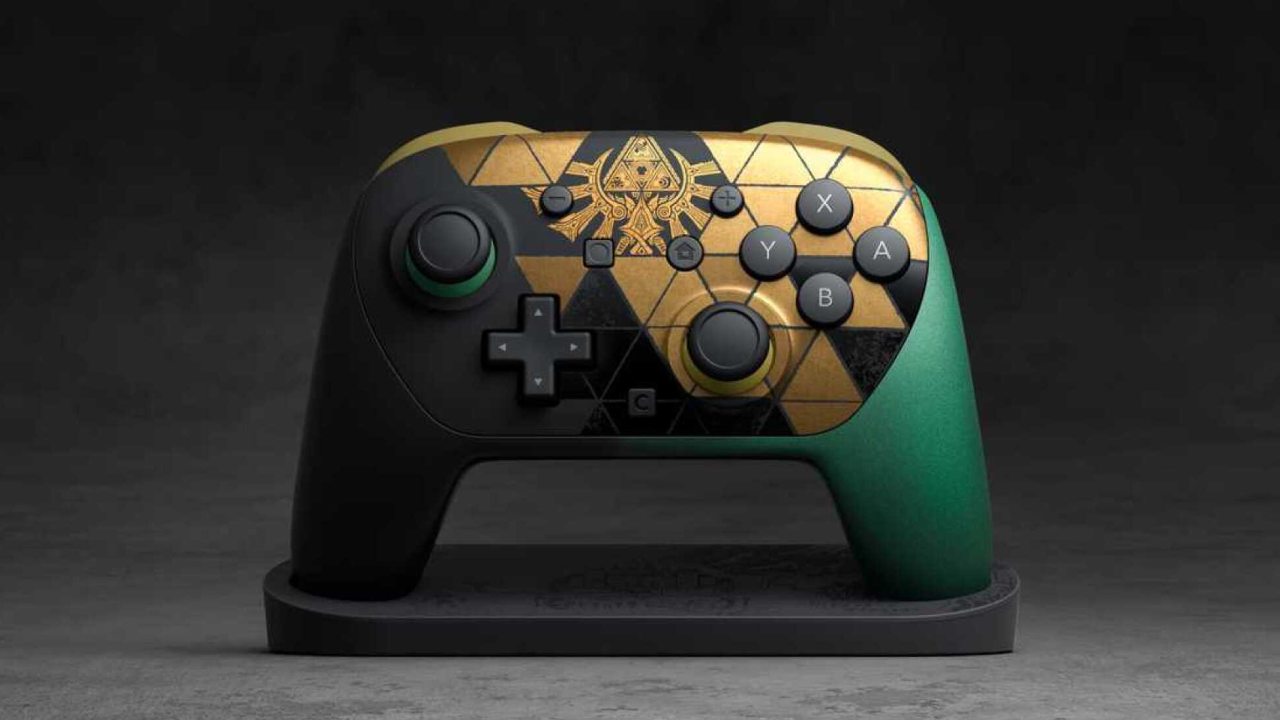
Another image circulating alongside the demonstration shows several emulators within the homebrew launcher. These include Easy Boy, apparently intended for Game Boy and Game Boy Color games, and Easy Boy Advance for Game Boy Advance titles.
Easy Boy DS appears as an experimental Nintendo DS emulator, with Cooking Mama displayed as an example of the software running through the interface.
The project remains experimental, so its appearance in a demonstration should not be mistaken for a finished, officially supported feature. But playing Nintendo DS software on the Switch 2 is intriguing, especially since the console has a touchscreen and can be used in different configurations.
The obvious problem is the DS's dual-screen design. The Switch 2 will not include the two stacked, separate displays found in the original handheld. But emulator developers have experimented with different layouts on other hardware, letting users resize screens, move them around, and adjust the available display space.
Tabletop mode could offer one way to experiment with a two-screen arrangement. However, the practical results would depend on the emulator's implementation and how individual games use the DS's displays. Players could potentially try different layouts and screen sizes to find a configuration that works for them.
Anyone who has used a DS or 3DS emulator on a PC will already be familiar with the flexibility such software can offer. Depending on the emulator, you can adjust screen size and placement and change how you control the touchscreen.
Adding similar options to the Switch 2 could make its homebrew scene more appealing to people who want to preserve and play older Nintendo games.
Of course, modifying a console carries risks. Connecting a jailbroken system to Nintendo's online services could reveal signs of modification and potentially lead to an account or console ban. Anyone considering this kind of experimentation should understand that risk rather than assume a modified system can safely be used online.
Even so, the number of people who actually jailbreak their consoles is likely much smaller than the number who follow these developments out of curiosity. The original Switch was hacked relatively early in its life, yet Nintendo continued selling millions of consoles and games. The existence of a dedicated hacking community did not suddenly make the system commercially unsuccessful.
There is a difference between being interested in a technology and intending to use it yourself. People follow cybersecurity developments, study software vulnerabilities, and watch demonstrations of unfamiliar technology without necessarily planning to replicate what they see. The same applies to console hacking. You can be interested in how an exploit works or what an emulator makes possible without wanting to modify your own hardware.
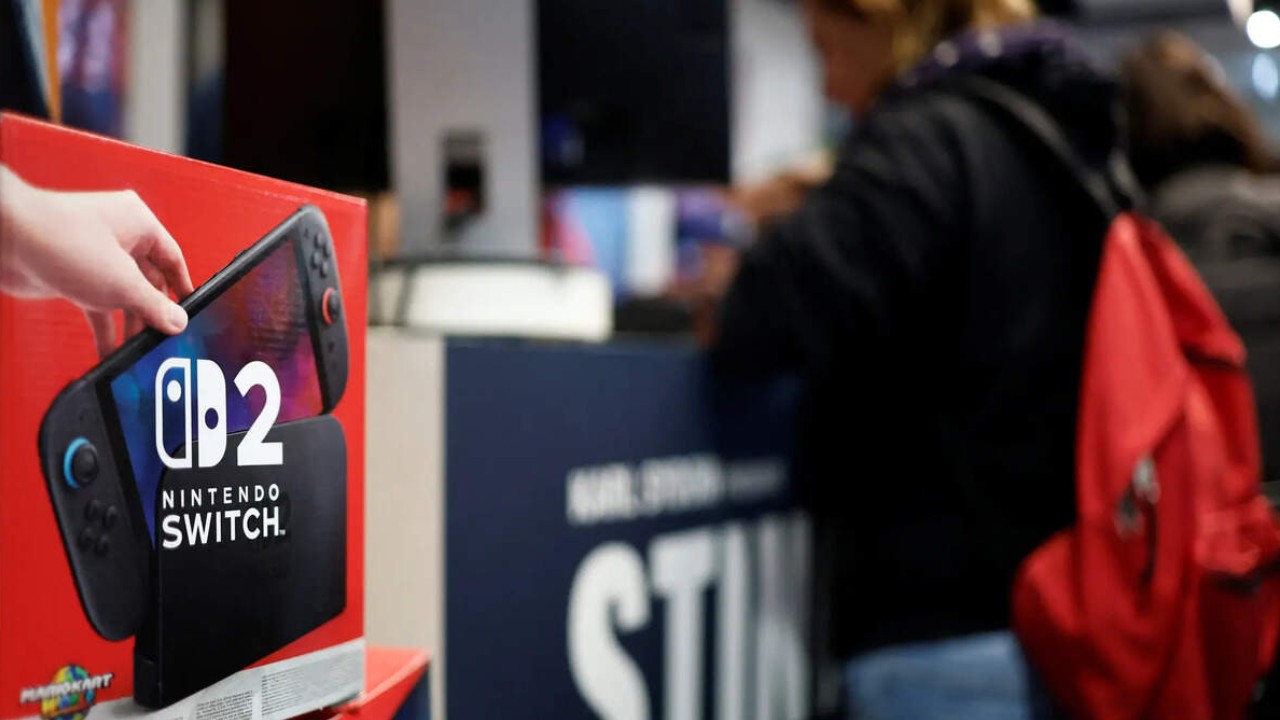
That distinction is worth remembering as the Switch 2 hacking scene continues to attract attention. Some will worry about piracy and what it means for game developers. Others will see homebrew applications, emulation, and the challenge of discovering new uses for the hardware. Both perspectives exist, but the discussion does not have to treat every person following the news as someone planning to pirate games.
The difference this time, though, is the pace of the developments.
Instead of waiting months between major discoveries, the community is seeing new information and experiments come out within hours. The shift from one specific game to other entry points, along with the growth of experimental emulators, shows how quickly options can evolve.
The scene for hacking the Nintendo Switch 2 is still in its infancy, and not every early experiment will become a reliable tool. Some projects may remain simple demos, while others may grow into fuller-featured homebrew applications. For now, the most obvious takeaway is that researchers are finding new avenues to pursue, and the pace of progress makes this a scene worth watching.
Nintendo will probably keep patching vulnerabilities with software updates while the homebrew community continues to see what the console is capable of. As the two sides react to each other, the situation will keep changing.
If you care about console tech, the experimental Nintendo DS emulator is one of the more interesting developments to date. Still, the effort offers a glimpse of how community-developed software could make the Switch 2 more versatile, though the project still has some limitations to work through. New discoveries are coming so fast that the next few weeks may bring more twists to a hacking scene that has already evolved faster than most people expected.
Senior Editor, NoobFeed
Related News
No Data.