
AMD Zen 6 Ryzen CPUs Could Reach 6.4GHz With 24 Cores
AMD Zen 6 could deliver higher clock speeds, 24-core configurations, faster memory support, and substantial performance improvements at premium prices.
Hardware by Masaru Hoshino on Oct 25, 2026
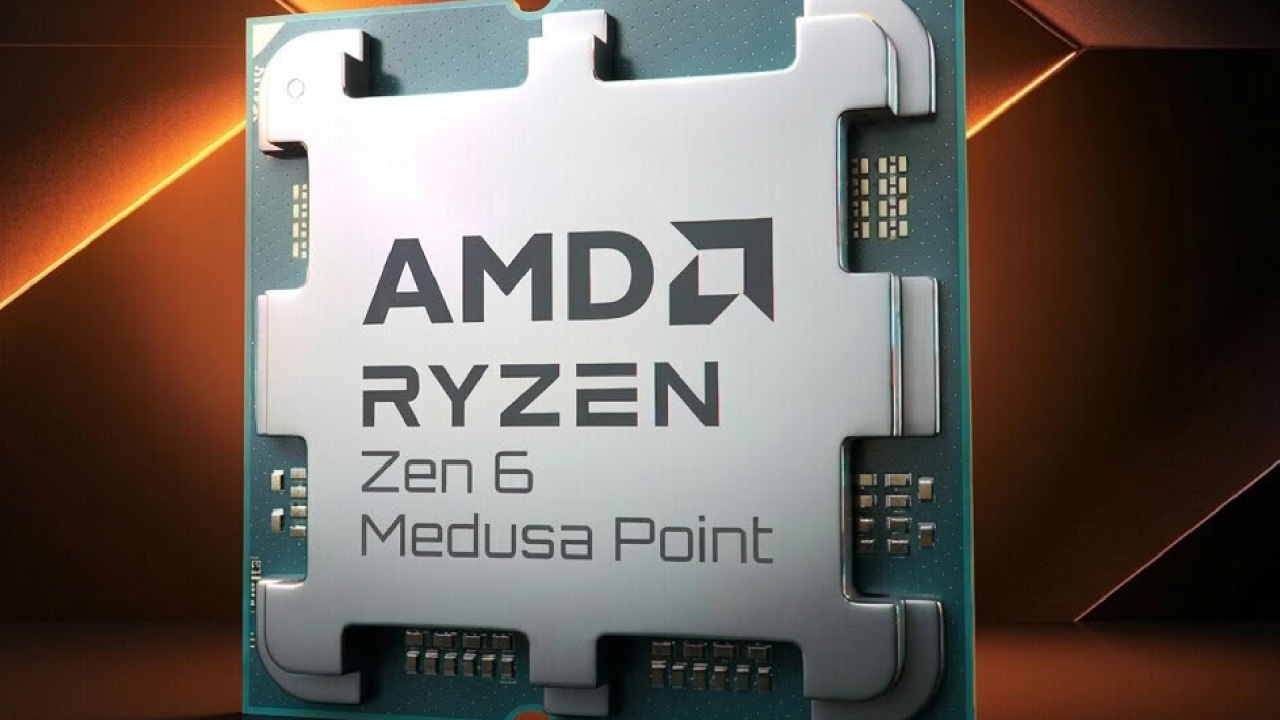
AMD's next-gen Ryzen processors, built on the Zen 6 architecture and reportedly codenamed Olympic Ridge, may deliver major gains in core count, clock speeds, cache capacity, and memory performance. Though AMD has yet to confirm the exact specifications, leaks and industry forecasts for the forthcoming desktop CPUs suggest a solid generational jump. But rising production costs and potentially more expensive configurations could make upgrading much harder.
AMD Zen 6 Could Reach 6.4GHz Clock Speeds
According to Adrock Fen, a prolific leaker on the AnandTech forums, Zen 6 processors could deliver a 15–20% improvement in clock frequencies. This remains a prediction rather than an official specification, and it is unclear whether the figures refer to maximum boost frequencies or frequencies achievable under particular conditions.
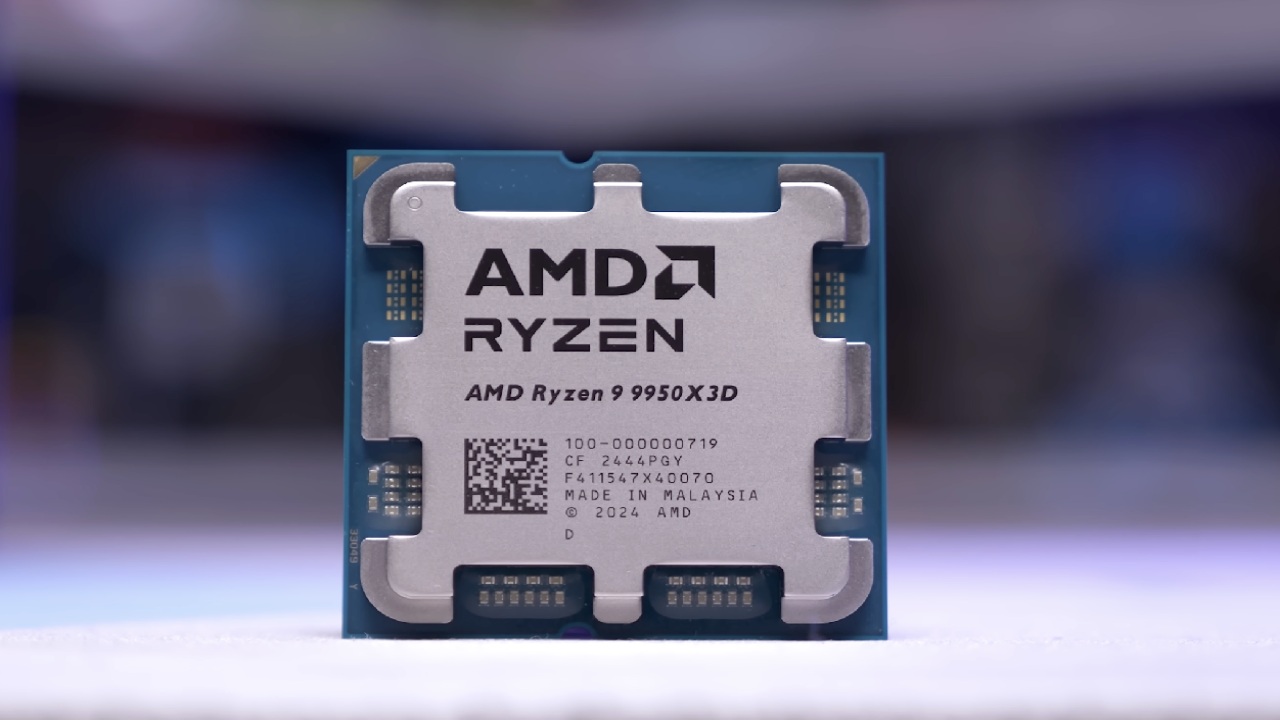
For comparison, the Ryzen 9 9950X3D has a maximum frequency of 5,500–5,700 MHz, depending on the chiplet and operating conditions. Other estimates put it at 6–6.2 GHz under conservative expectations, with more ambitious projections reaching 6.4 GHz. Reaching 7GHz still remains impossible, while 6.5–6.7GHz frequencies would be spectacular.
Real clock speeds will depend on cooling, voltage, chip quality, and operating conditions. Engineering samples may also perform differently than retail processors, so final performance remains unknown until AMD tests commercially available chips.
Core Counts and Cache Capacity Could Increase by 50%
One of the biggest changes projected is a 50% increase in core counts. Leaks suggest AMD could launch 12-core chiplets, or CCDs, based on TSMC's N2P technology. Combine two chiplets, and you would get a 24-core, 48-thread processor with simultaneous multi-threading.
L3 cache and V-Cache capacity may also see a 50% bump, which could improve performance in demanding applications. These changes may help with content development, software compilation, and heavily multithreaded programs.
Early performance forecasts also show about 1.35x performance on some compiler-based SPEC benchmarks. Additional industry opinion suggests a 12-core Zen 6 CPU would compete with a 16-core Zen 5 variant in specific workloads. But these forecasts are unconfirmed and shouldn't be assumed to guarantee performance gains.
Zen 6 Pricing Could Exceed Current Ryzen Processors
Pricing could be a major concern for potential buyers considering the upgrade. Adrock Fen is forecasting around $550 for a 10-core chip and $650 for a 12-core chip. These figures are estimates, not confirmed retail prices.
For comparison, the Ryzen 9 9950X3D launched at $699, while the Ryzen 7 9800X3D debuted at $479. The Ryzen 9 9900X also launched at $499. If the reported Zen 6 prices are accurate, some configurations could become significantly more expensive than their current-generation counterparts.
Another estimate suggests that a 10-core model could cost around $450. Higher-end X3D variants could potentially approach $1,000–$1,100, although this remains speculation.
One reason demand for TSMC's leading-edge manufacturing capability is high is that AMD can shift resources to high-margin data-center processors. This could affect consumer CPU pricing through manufacturing costs and competition for production capacity.
Faster Memory Could Increase Upgrade Costs
Zen 6 is also intended to enable faster memory, with current projections at up to 8,000 MT/s. Depending on the motherboard, CPU, and memory kit, overclocked speeds could theoretically reach 9,600 MT/s or 10,000 MT/s. But current AM5 motherboards might not hit these speeds consistently. Whether consumers need a new board for the best performance depends on motherboard design, signal integrity, and memory timings.
Zen 6 may deliver huge processing gains, but shoppers shouldn't focus only on the CPU; they should consider the total cost of the upgrade. Even with the new generation coming out, current processors like the Ryzen 7 9800X3D may still be great choices for gaming.
Editor, NoobFeed
Gaming Hardware Updates
No Data.