
AMD Zen 6 Leak Reveals Up to 24% IPC Leap Over Zen 5
AMD’s Zen 6 architecture could deliver up to 24% higher IPC, potentially making Ryzen 10000 a major upgrade for AM5 users.
Hardware by Tanvir Kabbo on Oct 25, 2026
AMD's next Zen 6 architecture could deliver a major generational performance gain, with early Geekbench 7 results suggesting per-clock performance that could be 16.5% to 24% faster than Zen 5. If the numbers hold up in desktop testing, the increases might make AMD's next Ryzen generation particularly enticing to fans focused on single-core performance, gaming, and long-term AM5 upgrades.
For PC builders, IPC matters because faster clock rates don't always mean better performance. A CPU that can execute more instructions per clock cycle can deliver results faster without relying solely on higher frequencies. The latest leak suggests AMD may be preparing a meaningful architectural improvement rather than another incremental clock-speed increase.

Geekbench 7 Leak Reveals Impressive Zen 6c Performance
The reported benchmark involves AMD's upcoming EPYC server processor, which is said to feature 256 dense Zen 6c cores. The chip reportedly scored 2,847 points in Geekbench 7 single-core testing at 4.1 GHz.
More importantly, we have a comparison with Zen 5 at the same 4.1GHz. The cited investigation says Zen 6c will deliver 16.5% to 24% better per-clock performance, with notable improvements in HTML5 rendering and photo-editing workloads. Matching clock speeds isolates architectural differences by removing frequency as a variable. The results suggest Zen 6c may do much more work per clock cycle than the previous generation.
The numbers are preliminary, however. Benchmark setups, memory behavior, program optimizations, and testing methods can influence the conclusion. So the claimed gain should be viewed as a promising early indicator, not a definite assessment of Zen 6 desktop IPC.
Zen 6c Could Signal Bigger Improvements for Ryzen
Zen 6c focuses on core density and efficiency, so it's ideal for chips that need to cram in many cores. Although compact server cores aren't identical to standard desktop Zen 6 cores, they are expected to share key architectural foundations.
That makes the leak relevant beyond the server market. If similar architectural improvements reach consumer Ryzen processors, desktop users could get faster application performance without relying solely on higher boost clocks.
Gaming is an especially interesting possibility. CPU-limited titles often depend on fast single-threaded execution for game logic, simulation, and other latency-sensitive tasks. This might help performance in some instances, but actual frame-rate gains will vary depending on the game, graphics card, memory setup, and the CPU it already has.
The observed enhancements in graphics and photo editing also point to gains in productivity apps. Nevertheless, independent desktop benchmarks will be needed to determine whether the gains hold up consistently across gaming and professional workloads.
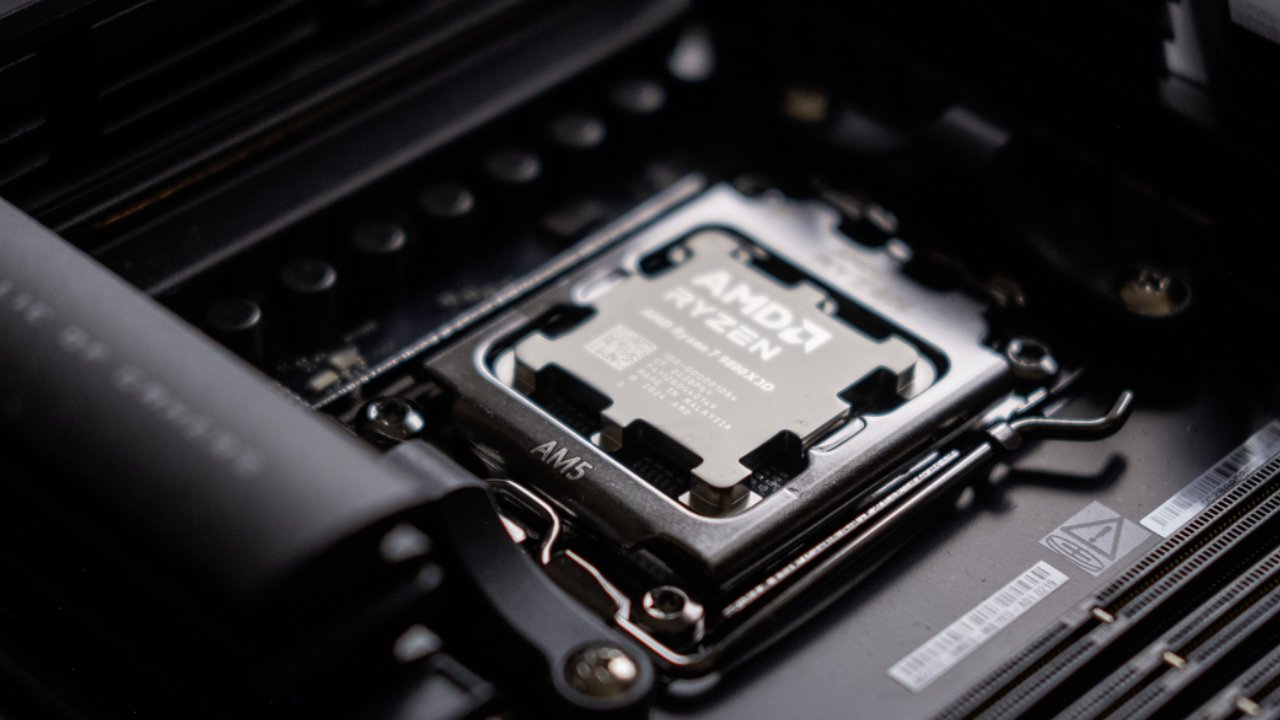
Ryzen 10000 Could Strengthen the AM5 Upgrade Path
AMD's upcoming Zen 6 desktop processors are reportedly codenamed Olympic Ridge and associated with the Ryzen 10000 series. Final branding and specs are unconfirmed, but the potential for a major IPC bump makes it a tempting upgrade path for enthusiasts.
The next Ryzen generation could be a considerable upgrade over Ryzen 9000 if AMD can balance architectural advances with competitive frequency and power efficiency. The final decision won't rest on server benchmark results alone; desktop processor designs, cache configurations, power constraints, and cost will also matter.
Add the AM5 platform into the mix, and that prospect looks even more tempting. AMD is promising AM5 support until 2027 and beyond, which might let current Ryzen 7000 and Ryzen 9000 owners upgrade without replacing the entire system.
Not every AM5 board should be assumed to be compatible with future CPUs; compatibility will vary by motherboard support and BIOS updates. Still, a longer platform life gives builders more choice: invest in a motherboard today and change the CPU later.
Senior Editor, NoobFeed
Gaming Hardware Updates
No Data.