
PS6 vs. Project Helix: Memory Costs Could Shape Next-Gen Consoles
Rising memory and storage costs could reshape PS6 and Project Helix hardware decisions, GPU designs, and next-generation console pricing.
Hardware by Tanvir Kabbo on Oct 24, 2026
Rising memory and storage prices are creating new challenges for the next generation of gaming consoles. Reports suggest RAM and NVMe storage alone could account for $680 of the PlayStation 6's bill of materials, raising concerns about system design, GPU performance, and pricing. Rising expenses might also affect Microsoft's Project Helix and shift the competitive balance between the two platforms.
Rising Component Costs Could Change Console Design
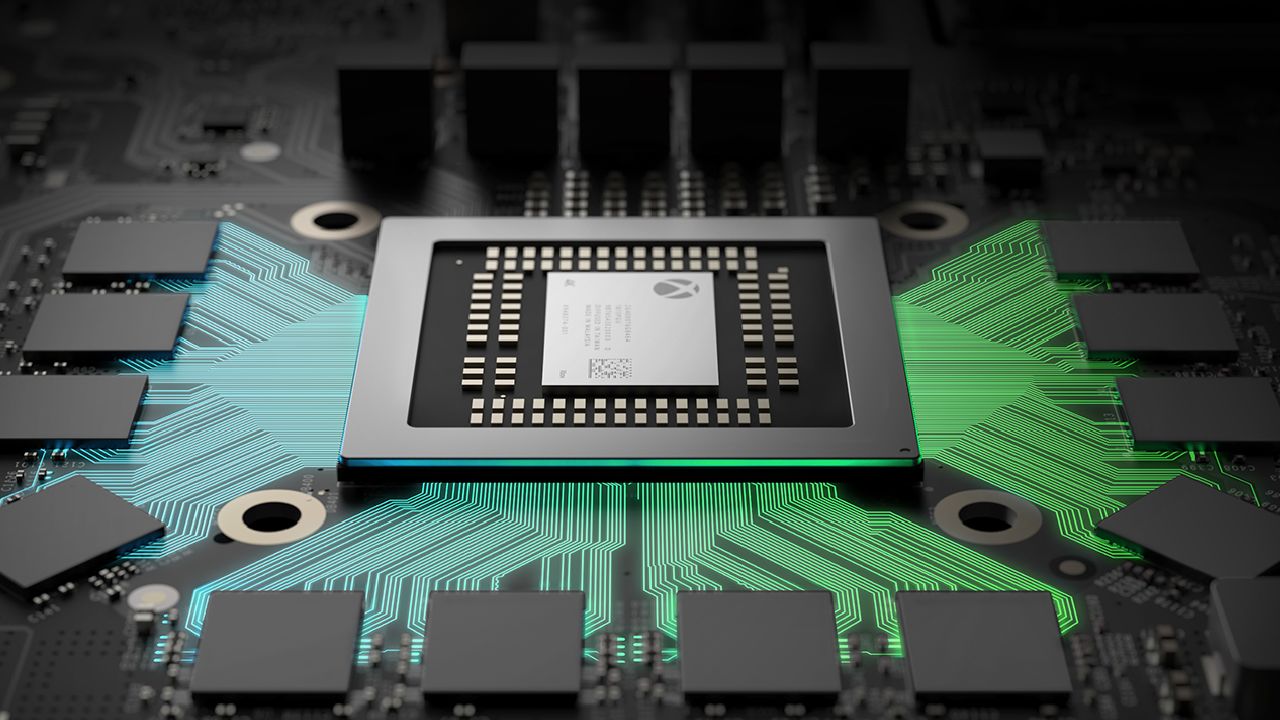
As component prices rise, the GPU die itself might account for only about 10% of a console's total manufacturing cost. That raises an essential question: can a console with a bigger GPU win big when memory and storage already eat up so much of the budget?
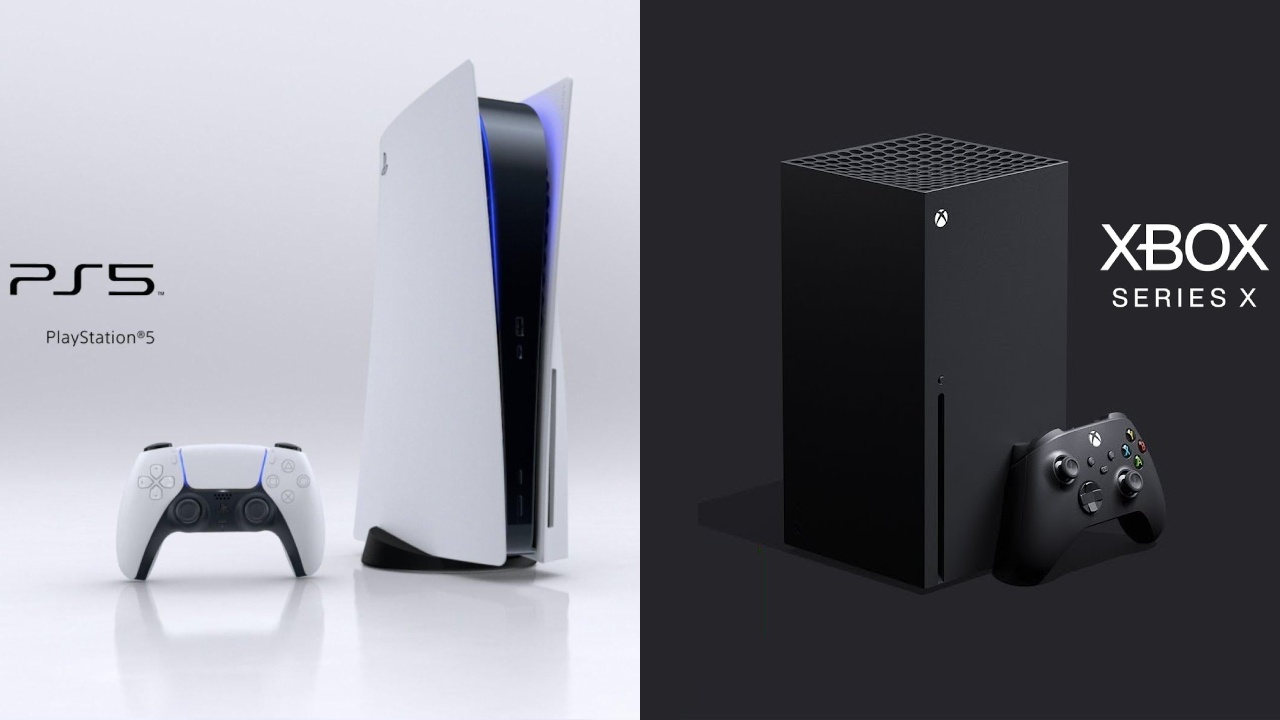
Financially, the case makes sense, but console manufacturers can't ignore affordability. "Every dollar counts, and the fact that another $20 or $30 per system is a lot of money needs to be thought through."
A bigger GPU also increases power consumption, power supply costs, and cooling requirements. The more complicated the chip, the lower the manufacturing yield and the higher the production cost. This forces manufacturers to weigh performance against overall system cost, not just GPU size.
Project Helix Could Give Microsoft an Advantage
It's a rough situation for any company: a console that's over $1,000. Sony and Microsoft ideally wouldn't want to offer gaming gear at such prices, especially when affordability drives adoption.
Microsoft's Project Helix may have a different competitive proposition if the reported Magnus chip has a bigger GPU. It could be a strong, PC-like gaming machine that delivers significant performance without requiring consumers to buy an equally costly gaming PC.
But the benefit isn't only visual performance. Console generations last 8-10 years, so manufacturers may profit if memory and storage prices finally come down. But until then, keeping production costs down is key.
Memory Capacity Could Complicate the Competition
Some rumors even imply that Project Helix could be fitted with 36GB of memory, but the final configuration is unknown. For PC games that support it, you may need more memory, especially if the machine is a split-memory system like classic PCs.
Sony could have more wiggle room. Rumored PS6 memory configurations include 30GB and possibly 20GB. PlayStation games can be tuned to the hardware, so Sony may get away with less memory than a system designed to run a wider range of PC titles.
Pricing also could be affected by subsidies. Sony may have more leeway to subsidize a device primarily for PlayStation games, whereas Microsoft's broader, PC-like strategy could raise costs.
A bigger GPU does not automatically mean higher performance. This generation has shown that Xbox's larger chip doesn't necessarily give it a clear performance edge over PlayStation. Optimization and specific gaming demands remain essential.
Could Xbox Introduce Proprietary Cartridge-Based Media?
Another rumor suggests Microsoft could launch proprietary cartridge-based physical media for the Project Helix family. But that's hard with rising memory and storage prices. Nintendo's game cards illustrate how hard it is to deliver cheap, fast physical storage. You can see the compromises with Switch 2 game cartridges, which might be slower than internal storage.
Or Microsoft might make cartridge-like devices that hold installation data and can be moved to the console's internal storage. However, extra hardware requirements and production costs could negate the gains. And, of course, the format would have to fit with Microsoft's bigger plan of merging console and PC gaming into one ecosystem.
Game Key Cards Could Offer a Practical Alternative
Game key cards might be a cheaper alternative to cartridges with the full game data. They're not a perfect solution for ownership, preservation, or long-term access, but they have one advantage over download codes in physical boxes: resale. Microsoft may also want to keep the current disks working instead of spending a lot of money on a brand-new physical format. Extending existing solutions might be more practical.
Rising component costs may reshape the next generation, but the GPU's size alone won't determine the winner. Project Helix could use more powerful hardware, while Sony may still have the edge through optimization, memory management, and subsidies. Both firms will have to balance performance, cost, and physical-media support to deliver next-gen gaming platforms.
Senior Editor, NoobFeed
Gaming Hardware Updates
No Data.