
PlayStation 6 Memory Debate: Why Leakers Disagree on 30GB vs. 24GB
Console chip designs typically lock four years before release, meaning the PS6's core architecture is already finalized.
Hardware by Nahe Yan on Jul 13, 2026
When the price of components is the top story for next-gen consoles, one obvious question arises: what room does Sony have to maneuver in its PS6 design now? The console SOC development timelines provide a good answer, and specs for which are almost certainly well established, in advance of today's memory cost crisis.
The console chips are built years before the game is released. Xbox Series X SOC design was frozen in 2016, four years before the console's release, as reported by Andrew House, chief architect of the previous generation of Xbox hardware. Around that time is when the PS6 might be at, and that makes a lot of sense.
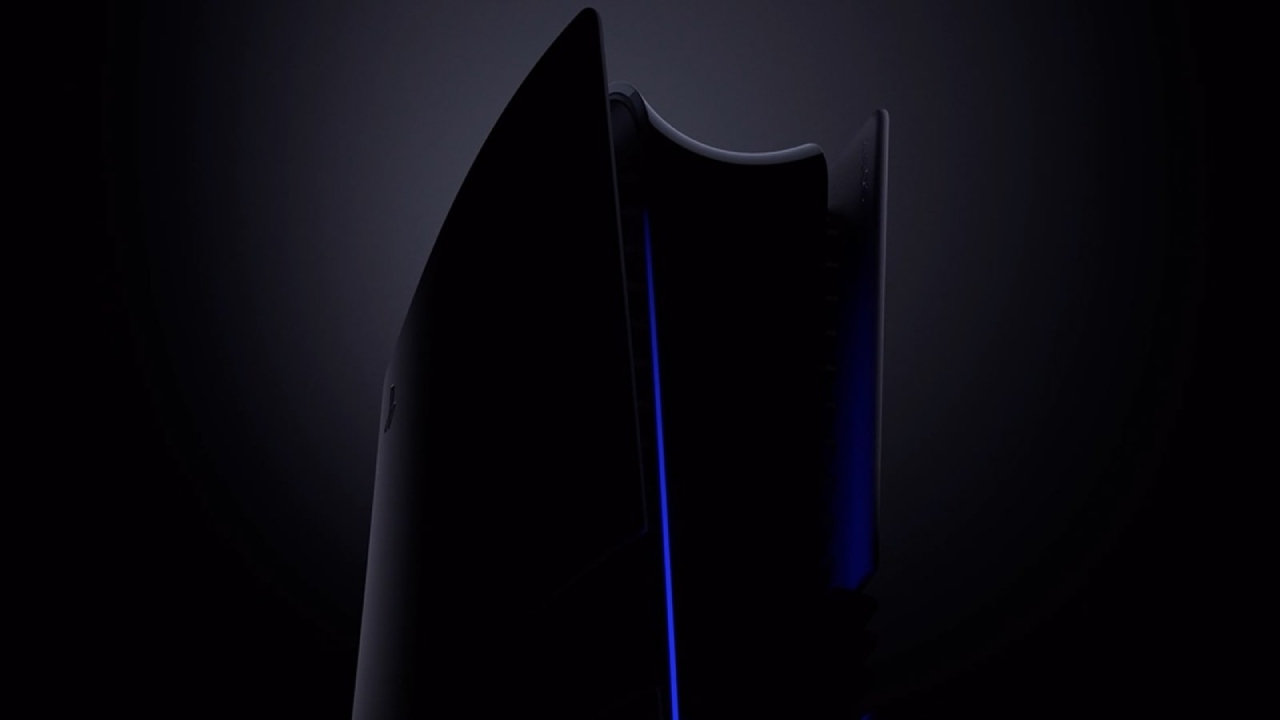
Is the PS 6's SOC still designed today? Almost certainly not. The general architecture is more than likely already locked, while hardware access may be given to the developers, or at least specifications, as part of the standard pre-launch process.
PS6 Specs Could Already be Finalized
This time makes for a very challenging situation. Even though Sony's console design efforts were already in full swing, demand for the console caused component prices to rise rapidly, and it was too late to redesign the console at this point without throwing the entire launch out.
Many of the bizarre decisions reported around the console regarding physical media support, for instance, can probably be attributed to the same impetus: how to use the hardware profitably in the first place, given the radically altered cost structure after the base design was complete.
Not all aspects of a console's specification are set in stone this far ahead, however. Some parts are more flexible than others, even as the core SOC design is being finalized. When testing showed there was additional headroom, Microsoft made a minor performance boost to the CPU and GPU of the Xbox One over its original spec.
When testing showed there was still some extra headroom, Microsoft made a minor boost to the Xbox One's CPU/GPU performance. Sony is not the first to make late changes. Though the PlayStation 4's memory spec was officially 4GB, leaked internal documents suggest it was actually 4GB at launch, before it was upgraded to 8 GB. These changes may indicate last-minute adjustments, even for important elements like system memory.
Memory that PS6 and Project Helix Could Actually Have
The current rumors suggest that the PS6's memory bus could support up to 30GB or 40GB, depending on the configuration. In comparison, Microsoft's Project Helix is rumored to have a wider memory bus that could support up to 48GB, which may actually be closer to 36GB if the bus is marketed that way.
As memory costs are so far unpredictable, there is indeed reason to doubt the facts of either console shipping with less memory than intended, or more. That conflict is already playing out in public, with hardware leakers suggesting that Sony may reduce the PS6's memory to as little as 24GB solely for cost savings.
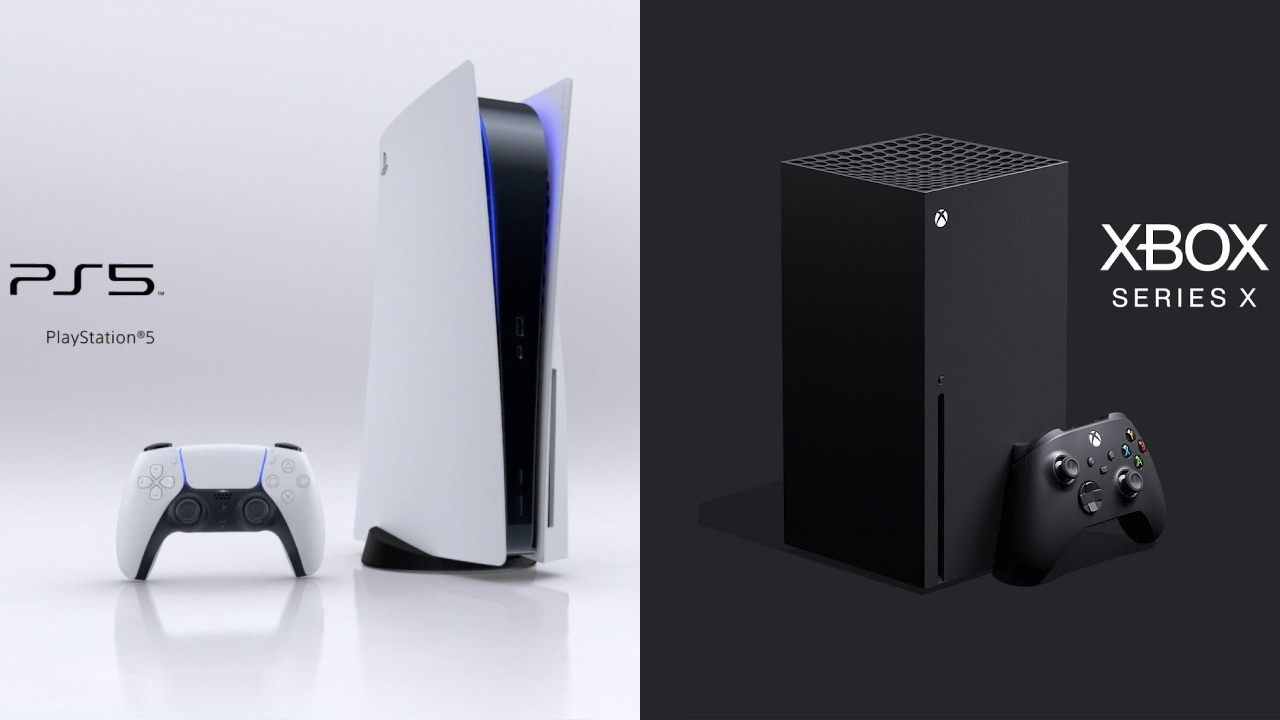
Still, another hardware leaker has strongly disagreed, claiming that the console can't be made smaller than 30GB despite the cost of components. One interesting note here: for this sort of situation, there is no apparent practical solution for texture compression that works better for neural data, called neural texture compression, which would otherwise likely have solved the issue of needing to save so much data.
It seems like a no-brainer for Sony to look for ways to squeeze more out of the smaller memory pool.
Recent PlayStation console designs have relied on custom-made, dedicated hardware to perform certain functions more efficiently, while allowing the PS6 to have a dedicated part that focuses exclusively on optimizing memory consumption, enabling the console to use less memory or a smaller storage drive.
Nevertheless, the more flexible ones are still very much in flux, and significant changes can occur in the short period leading up to launch. Then again, it could be that Sony, just like all other manufacturers facing similar pressures, ends up with higher costs and decides to charge more for this console than intended without sacrificing specs.
If all the major console manufacturers find themselves in the same situation, then a higher price tag will no longer seem like the exception that proves the rule, but rather an industry reality, even if you didn't know it at the point of sale.
Editor, NoobFeed
Gaming Hardware Updates
No Data.