
PlayStation 6 Memory Prices Push PS6 Bill of Materials to $1,000
Rising memory prices continue driving PlayStation 6 manufacturing costs higher while reshaping the economics of next-generation console development.
Hardware by Masaru Hoshino on Jul 01, 2026
The next generation of gaming consoles is shaping up to be significantly more expensive than expected. Rising component costs, particularly memory pricing driven by AI demand, are forcing manufacturers to rethink pricing strategies as existing consoles become more expensive.
As hardware costs continue to climb, questions are emerging about whether next-generation systems like the PlayStation 6 can launch on schedule, how manufacturers will absorb these costs, and what this means for gamers over the next few years.
.jpg)
PlayStation 6 Bill of Materials Has Climbed to $1,000
Next-gen consoles will be very expensive if things continue as they are. Current bill-of-materials estimates for the PlayStation 6 are around $1,000. Much of this is due to memory pricing. It was not too long ago, only a few months back, that the estimated bill of materials was around $800. In just a couple of months, another $200 has been added to the expected manufacturing cost.
This is already affecting console sales for systems currently on the market. Sony, Microsoft, and Nintendo have all confirmed price increases. Microsoft has already raised the prices of its Xbox Series consoles, Sony has increased PlayStation 5 pricing, and Nintendo is expected to follow suit. These higher prices are having a noticeable impact on hardware sales.
The big question now is whether the PlayStation 6 will be delayed and what the next couple of years could look like. It is an interesting situation because it could have major consequences not only for Sony but also for the console industry as a whole, especially given Sony's own teasing of a PlayStation 6 Handheld, which has been heavily rumored.
Memory Prices Continue to Push Costs Higher
Information from Kepler L2 suggests that PlayStation 6 bill-of-materials estimates have climbed dramatically. Not long ago, estimates were around $760 to $780. Since then, costs have skyrocketed almost entirely because of memory pricing.
According to Kepler L2, the PlayStation 6 specifications are unlikely to change, and there probably will not be a delay because market conditions are not expected to improve anytime soon. That assessment appears reasonable considering the current memory market.
Expected PlayStation 6 Specifications
Although Sony has not officially revealed the PlayStation 6 hardware, several leaks from Kepler L2 and Moore's Law Is Dead paint a fairly consistent picture. The rumored system features a 160-bit memory bus paired with 32 Gbps memory, increasing total memory capacity to 30GB compared to the PlayStation 5's 16GB.
On the graphics side, the console is expected to feature an RDNA5-based GPU with 52 to 54 Compute Units, depending on how many are enabled on the final chip.
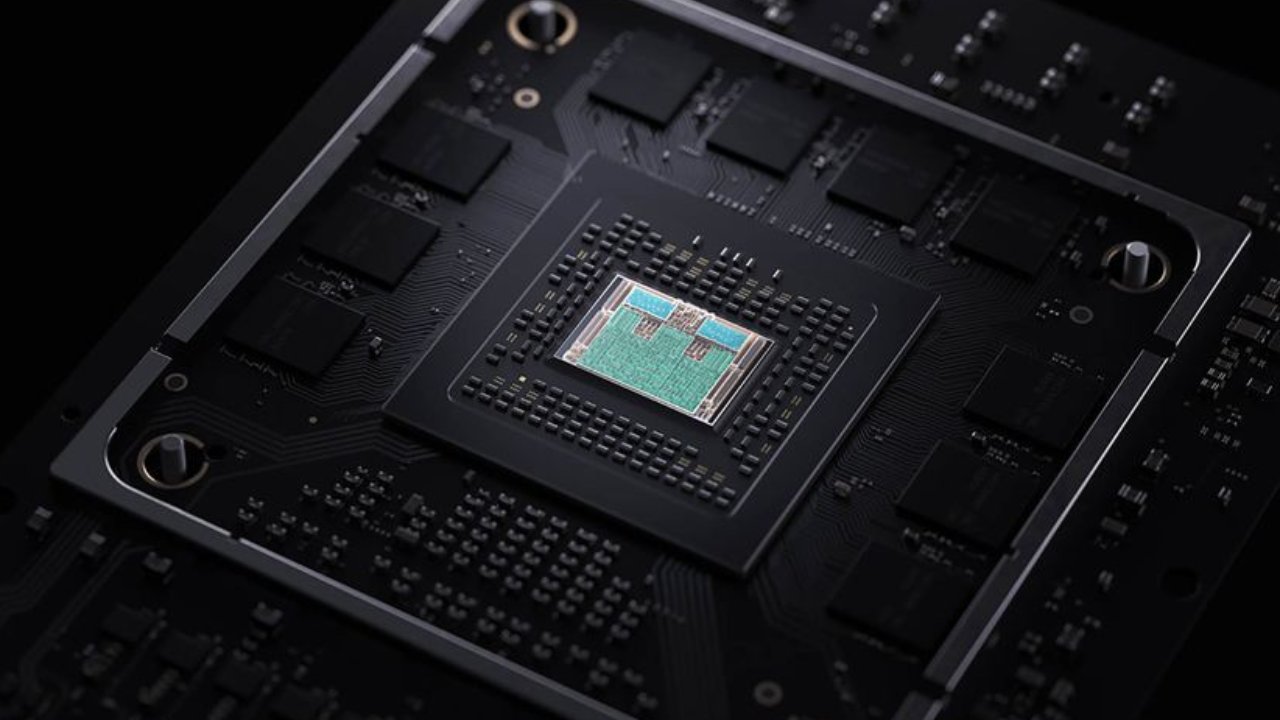
The processor is rumored to include 7 to 8 Zen 6 CPU cores alongside 2 Zen 6 LP cores, replacing the PlayStation 5's 8 Zen 2 cores. The final number of usable cores will depend on chip configuration and operating system reservations. As with the PlayStation 5, one CPU core is expected to remain reserved for system tasks, along with a portion of system memory.
Memory bandwidth is expected to increase from 448 GB/s on the PlayStation 5 to 640 GB/s. Although the increase is not enormous, RDNA5 is expected to be considerably more bandwidth-efficient thanks to improved compression technologies and architectural optimizations that enable it to accomplish more with the available bandwidth.
AI is Driving the Memory Crisis
The biggest reason memory prices continue climbing can be summed up in one word: AI. AI certainly has useful applications. It can make language translation significantly easier, provide quick summaries, and improve productivity in many areas. However, AI is also placing enormous pressure on global memory production.
According to Jefferies Equity Research, memory prices are expected to increase another 40% to 50% during Q3 compared to the current quarter. After that, another 30%-40% increase is forecast for Q4.
Some analysts believe pricing could eventually stabilize or even decline. Samsung stated that the memory industry may face a large surplus around 2028 as competition among manufacturers increases. Chinese memory maker CXMT is aggressively growing its fab capacity, allegedly adding hundreds of thousands of wafers to production each month. But ramping up manufacturing takes time.
Industry will not immediately make all types of memory chips needed, and much of that manufacturing will go toward domestic consumption. There have also been claims that Apple has considered sourcing memory from Chinese manufacturers, an illustration of how competitive the global memory industry has become.
Why Sony is Unlikely to Delay the PlayStation 6
Even with rising manufacturing costs, delaying the PlayStation 6 may not actually solve anything. If Sony waits until 2027 or even 2028, there is no guarantee memory prices will improve enough to justify the delay. Even if prices eventually decline, they may simply return to levels similar to today's pricing after several years of continued increases.
For example, if memory prices increase by 40%, then another 30%, followed by additional increases in 2027, even a future market correction would still leave pricing at relatively elevated levels.
Changing specifications also creates additional problems. Sony likely already has hardware agreements with AMD and other partners. Developers have reportedly already been briefed on PlayStation 6 hardware, meaning development kits are likely already in circulation. Changing specs now would interfere with the game development underway and waste years of research and development effort. This means the most realistic course of action is to proceed with the current strategy.
A Premium Launch May Be the Only Option
The most practical strategy is to debut the PS6 as a premium-priced console. We can probably expect a significant library of titles to stay playable on the PlayStation 5 for a few years to come, allowing Sony to migrate players to the new hardware rather than demanding an immediate upgrade. That technique would also give consumers more flexibility while helping Sony overcome higher manufacturing costs.
Console Sales Are Already Feeling the Pressure
Recent industry data indicate that significantly higher prices are affecting hardware sales. Overall, hardware spending decreased by 43%, and PlayStation 5 sales fell by 58% year over year. Xbox hardware is facing similar challenges. Console sales across both Sony and Microsoft continue to weaken.
The Nintendo Switch 2 is performing somewhat better overall, though some of that success may stem from buyers purchasing early before additional price increases take effect. Console prices are rising, and hardware sales are showing signs of consumer hesitancy.
Rising Prices Across the Entire Console Market
Now, price hikes are not confined to a single company. Microsoft had already raised the price of the Xbox Series X, while Sony had previously raised the price of the PlayStation 5 and PlayStation 5 Pro. If component costs continue to rise, manufacturers seem willing to take a big price hike now rather than a series of smaller ones later.
That approach may provide some buffer against further increases in manufacturing costs over the coming years.
Editor, NoobFeed
Gaming Hardware Updates
No Data.