
Valve Explains Why It Won't Subsidize the $1,049 Steam Machine
The target audience for the Steam Machine depends heavily on whether someone is already invested in an existing gaming ecosystem.
Hardware by Shinji Okazaki on Jul 02, 2026
Steam Machine has raised questions about who the hardware is actually meant for, especially given its current price. It looks appealing, and SteamOS runs well, but if the goal is a device that delivers a strong gaming experience in the living room, existing consoles already fill that role.
The pricing has also shifted how people view the product, turning what could have been a straightforward entry point into PC gaming into a much harder purchase to justify.
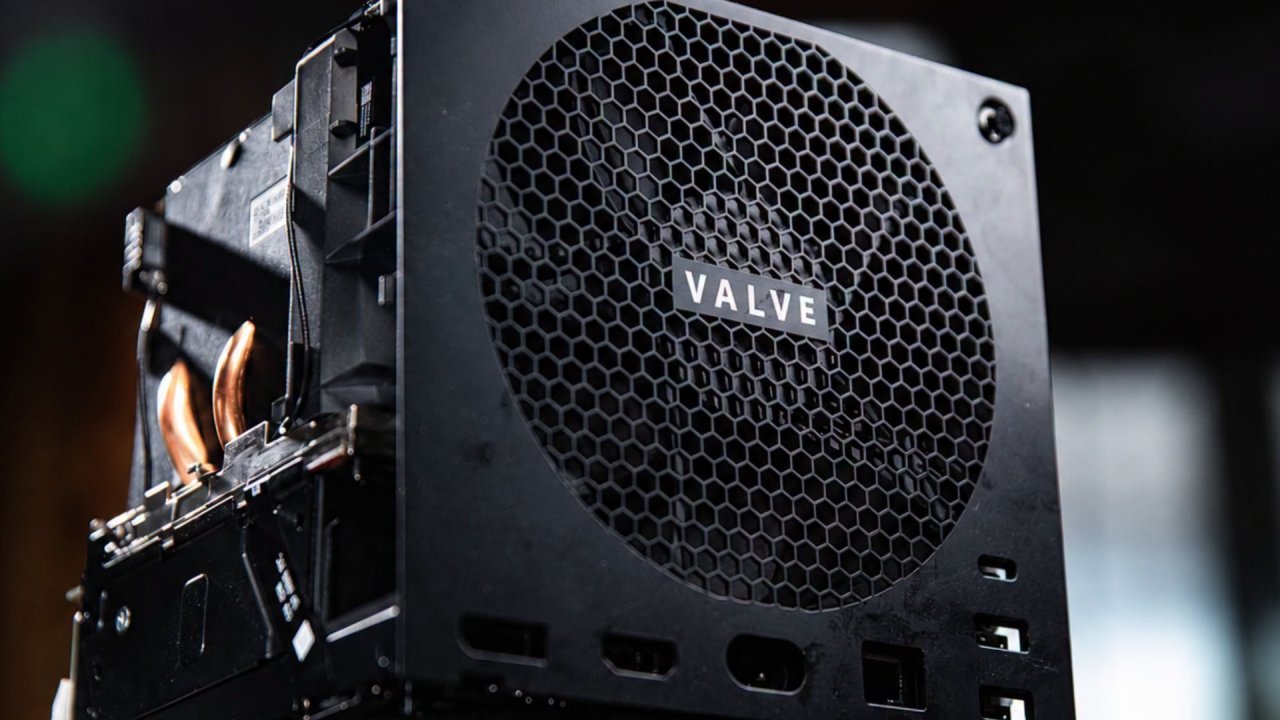
We think the comparison to consoles misses an important detail. Framing the choice as consoles versus Steam Machines assumes you are not already playing games or have a library, which would let you choose freely between ecosystems.
In reality, you are likely already invested in one, whether that is PlayStation, Xbox, or PC, and you will continue buying hardware within that ecosystem going forward.
PC Gamers Already Familiar With Valve Hardware
Given that, the target audience for the Steam Machine seems to be the PC gamer who wants to play existing games in the living room without switching platforms. There may have also been an ambition to expand that audience by offering accessible, well-built hardware, though the price makes that harder to achieve.
People who have used a Steam Deck and had a good experience are most likely to trust that the Steam Machine will deliver a similar level of quality for the price. That trust builds an expectation of reasonable pricing and clear advantages over other options. Rising component costs have worked against that expectation, pushing the Steam Machine away from the mainstream audience Valve seemed to be targeting.
That said, the Steam Machine is not the only path forward. It remains a streamlined option for anyone who wants a ready-made system, and Valve has also made it straightforward to build a custom SteamOS machine instead. Console makers with far larger manufacturing scales have more leverage with suppliers, which insulates them from some of the price increases currently affecting the market.
Valve operates at a much smaller scale by comparison. As the next generation of consoles arrives, we may see similarly high prices become standard across the industry, which could make the Steam Machine look more reasonable by comparison once people are weighing it against console prices that have risen just as much.
Comparing Console Pricing isn't Straightforward
Comparing the Steam Machine's price directly to a console's price omits important context. A PlayStation purchase locks you into a single storefront with no competition, and playing online multiplayer typically requires an additional monthly subscription.
Factoring in the full cost of an ecosystem, rather than just the hardware price, changes the comparison considerably and makes a straightforward price comparison between the two products somewhat misleading. Steam Deck launched with a base model priced at $399 for the 64GB flash storage version, a price Valve has described as difficult to sustain from a margin standpoint.
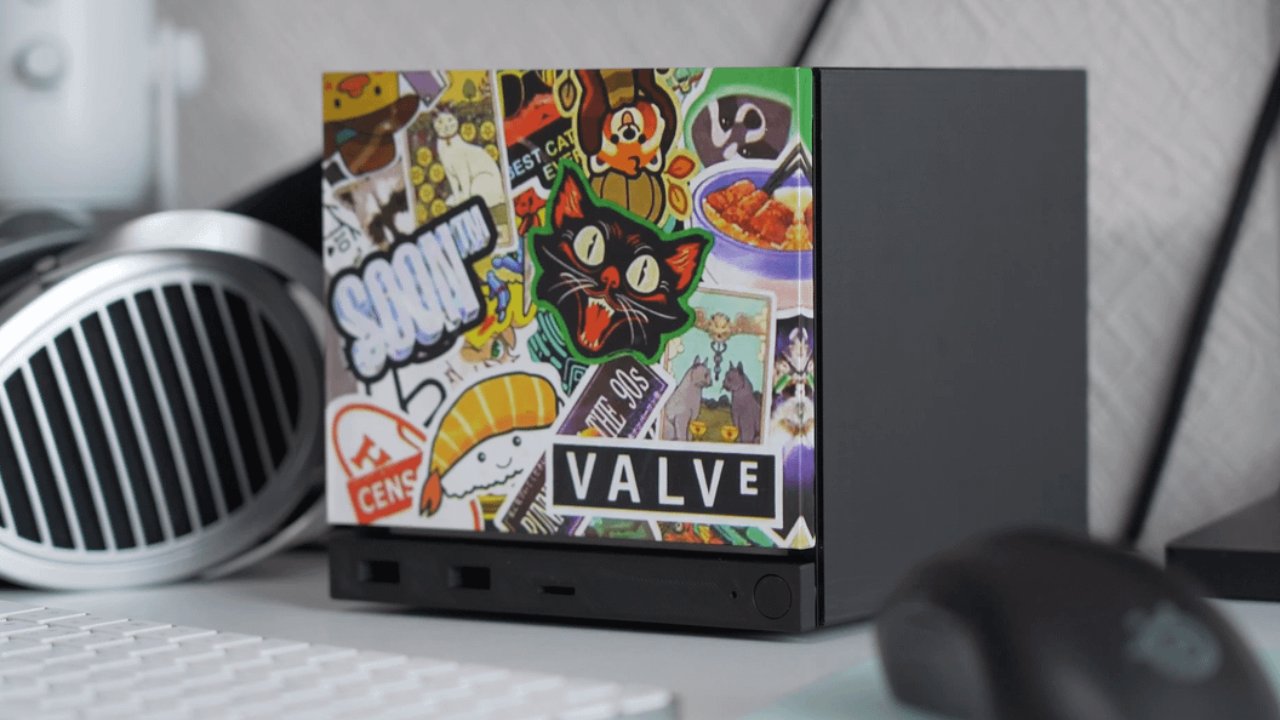
That pricing suggested that Valve was willing to subsidize the Steam Deck to expand PC gaming into new spaces. The same approach does not appear to apply to the Steam Machine, since Valve has stated it is not subsidizing the device. Bundling the controller at no additional cost could have made the price easier to accept, since that cost is not tied to flash storage expenses, which drive up the rest of the price.
Valve's reluctance may stem from not wanting to undercut other companies building similar mini PCs, and consistently subsidizing hardware could pressure it to keep doing so while making Valve more dependent on people fully committing to SteamOS and Steam purchases. Whatever the full reasoning, the outcome is that the Steam Machine launched at a non-subsidized price, and that decision has played a large role in shaping the pricing conversation.
Pricing concerns won't stop Steam Deck 2 development.
Pricing has dominated discussion of the Steam Machine to the point where it affects perception of the product itself, though that may not affect Valve's bottom line. Valve is likely to sell through its available stock regardless, and it is not at risk of losing game sales, since anyone building a custom SteamOS system or buying as a PC gamer is still likely to purchase games through Steam.
When asked directly whether current pricing conditions would affect plans for a Steam Deck 2, given that the pricing situation is not expected to improve in the near future, Valve's response indicated that people still need to play games. The company plans to keep making hardware that supports that. Despite current market conditions, Valve appears committed to continuing hardware development.
Steam Machine was designed from the start with a specific balance in mind: accessible, approachable, and reasonably priced. That pricing goal shaped the choice of CPU and GPU, components that sit just above entry-level rather than top-tier hardware. As a complete package at an affordable price, the combination would likely have performed well in the market.
Instead, current conditions mean the Steam Machine is likely to sell out, not because pricing has been well received, but because production capacity is limited. In terms of audience, the product has shifted away from expanding who plays on Steam and toward serving an existing core audience willing to pay a premium for a streamlined SteamOS experience.
Editor, NoobFeed
Gaming Hardware Updates
No Data.