
Valve Confirms Working With NVIDIA on SteamOS Support, but Not Until Late 2026
Valve has confirmed plans to bring native NVIDIA support to SteamOS following the Steam Machine's AMD only launch.
News by Nahe Yan on Jul 01, 2026
SteamOS support has expanded alongside the launch of the Steam Machine, and one detail from the announcement stands out above all else. Valve outlined plans to ship SteamOS for all AMD-based PCs, with support for other graphics card brands indicated as a possibility for the future. That leaves an open question about how realistic native NVIDIA support on Linux actually is, and what it would take to get there.
Getting native NVIDIA Linux support in a future SteamOS release looks extremely realistic, largely because Valve has already stated its intent to make it happen.
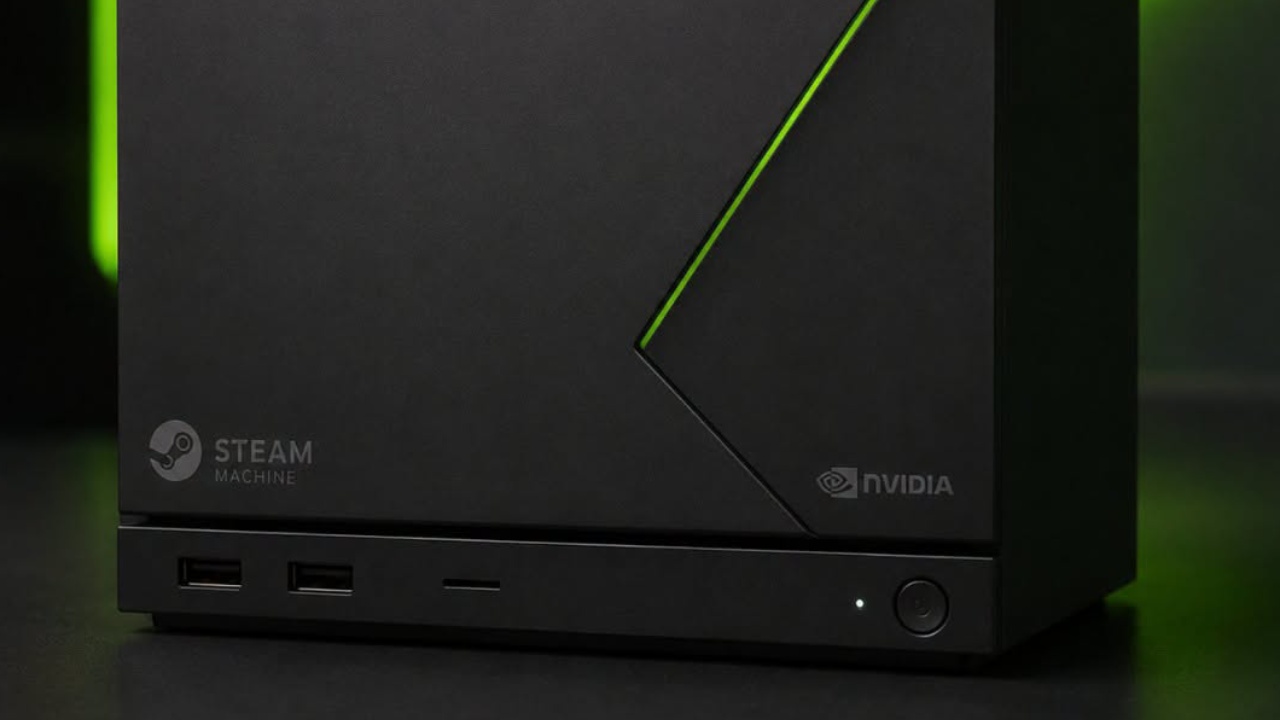
Larger players are involved in making that a reality, and NVIDIA itself needs to be active in the process, which has not historically been straightforward. NVIDIA's approach to Linux has traditionally been more hands-off compared to AMD's.
NVIDIA relies on closed-source drivers and tends to be slower to release new Linux drivers.
When Forza Horizon 6 launched, a Linux setup running a GTX 1660 had worked without issues beforehand. Still, the driver for that title was not available for several days after release, so you had to boot back into Windows just to play it at launch. That kind of delay points to organizational inertia that still needs to be overcome.
NVIDIA tends to favor proprietary approaches, making it harder for the Linux community and Valve to implement support that avoids bugs, visual artifacts, and other restrictions. If any company is positioned to make NVIDIA support work, Valve looks like a strong candidate, and NVIDIA is likely paying attention to the growing popularity of SteamOS and Linux more broadly.
That attention alone could be enough to prompt a shift in approach, and there is reason for cautious optimism that a change is coming. One of the biggest obstacles to broader Linux adoption right now is the common advice to stick with AMD hardware for a smoother experience, a pattern that lines up with real-world use.
How successful Valve is with this effort will determine how quickly that changes.
Using the Steam Machine reveals an interface that runs smoothly and offers functionality that PC users expect. When something specific isn't supported through that interface, you can drop back into the Linux desktop, adjust settings there, and return to the standard experience without much friction.
The larger obstacle to Linux adoption has been Nvidia's leadership in new graphics rendering technologies, including path tracing and multi-framing. These features deliver real benefits for players. When that kind of day one support isn't available for new titles on SteamOS, it becomes one of the few remaining reasons to hold off on moving to SteamOS full-time for a dedicated gaming setup.
NVIDIA also holds a dominant share of the GPU market, and not supporting the leading GPU supplier puts a ceiling on how far SteamOS can realistically expand. Proper Nvidia support would significantly change that equation, both for SteamOS's reach and for the pressure it places on Windows, a platform already dealing with its own set of problems.
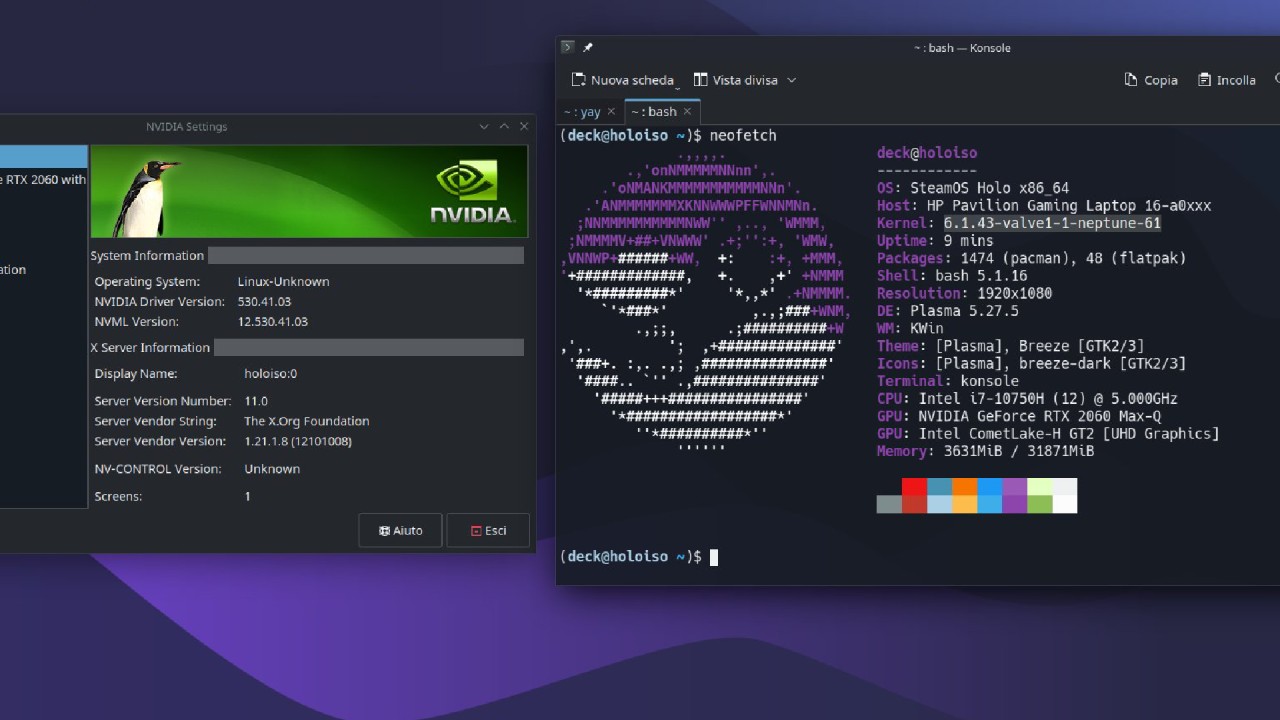
NVIDIA is likely aware of ongoing dissatisfaction with Windows and the direction the market is heading.
Linux currently holds a small share of the gaming market, with the Steam Hardware Survey placing it at around 3-4%. A major reason for that low share is that most gaming GPUs on the market don't properly support SteamOS, which makes broader NVIDIA support a logical move for everyone involved. NVIDIA GPUs can already run on Linux with tools like Bazzite, though some roadblocks remain.
With full commitment from both Valve and NVIDIA, proper support could be one of the most significant steps forward for SteamOS, expanding the platform beyond AMD hardware to include NVIDIA and, eventually, Intel, giving a much wider range of PC users access to a fully supported SteamOS experience.
Editor, NoobFeed
Related News
No Data.