
How Word Games Continue to Grow in the Digital Gaming Industry
Other by Nestee Shy on Aug 13, 2026
Word games have been successful in the digital gaming industry because they have simple rules, are easy to access, and provide a real mental challenge in a form that attracts both nonprofessionals and those who enjoy competing.
The satisfaction obtained from a five-minute session while driving is just as great as that from spending a longer time on a puzzle, meaning they fit well with the way people currently spend their free time, a pattern that action and RPG games cannot replicate without asking for a large time investment and a high degree of skill.
For older adults, casual mobile users, and individuals using instructional platforms, there are easy ways to get started, a feature that strategy and action genres generally do not offer to all kinds of players.
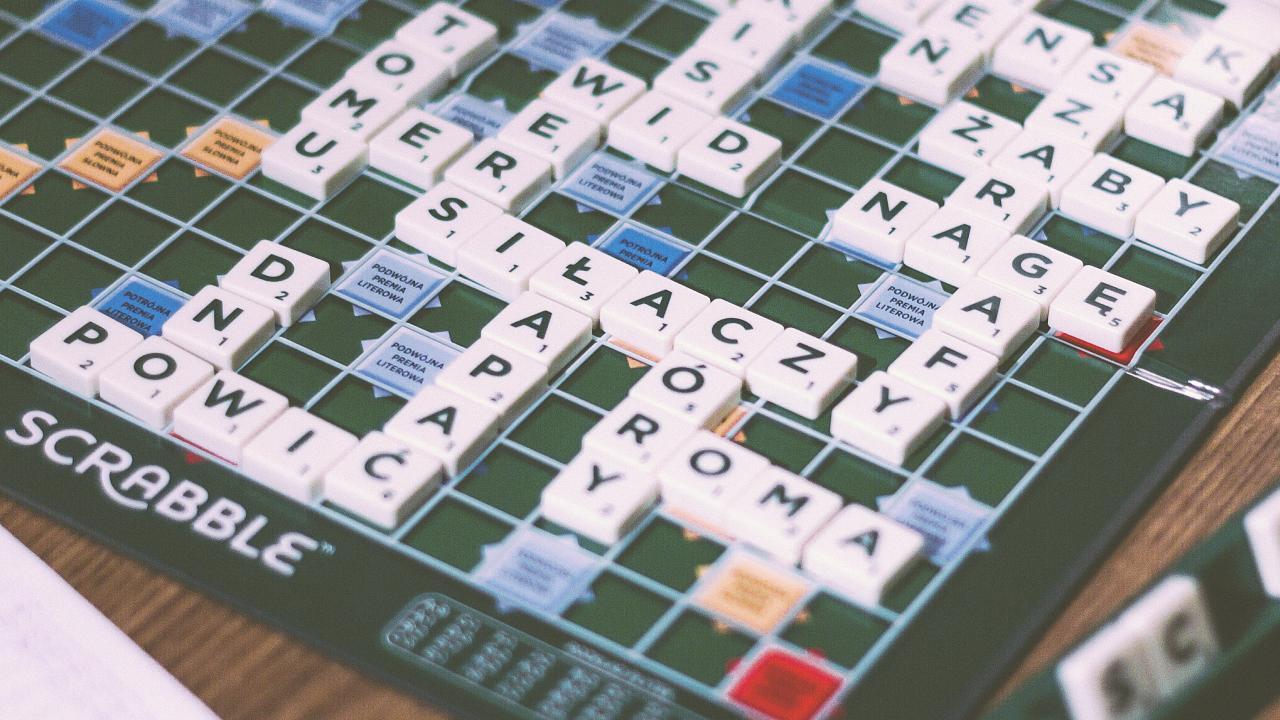
The game stays interesting from one session to the next because it requires players to remember vocabulary, identify patterns, and learn letter combinations, rather than simply repeating the kind of material that reflex-based casual games exhaust quickly.
The daily challenges, the leaderboards, and the time-constrained scrambles cause casual players to join organized and competitive communities, all of whom are working to improve their performance in a way that can be measured.
It is uncommon within a single genre to combine cognitive value, ease of access, and competitive depth in such a natural way, and that is one of the reasons why word games are among the most enduring and consistently popular types in the entire digital gaming industry.
What is it about word games that continues to make them popular with modern gamers?
Gamers today still enjoy word games because their simple rules, short length of play, real mental challenge, and wide accessibility mean the entertainment can be used in all sorts of situations, for example during a normal commute or while taking part in competitive tournaments. Previous gaming experience is not required, no expensive equipment is necessary, and there is no lengthy onboarding process, so new players can join right away.
The genre thus becomes accessible to demographic groups that strategy and RPG games usually exclude because of their complexity and the difficulties of getting started. The mental challenge comes from the letter-based mechanics, without the participation barrier that stops people from taking part casually in more technically demanding games.
The duration of each session, which is between 2 and 10 minutes, matches the way people make use of their free time nowadays, since it is now more important to have meaningful involvement over short periods than to play for long, unbroken ones. The variety from one session to the next—driven by vocabulary recall, pattern recognition, and the tactical placement of letters—means that even experienced players remain engaged for a long time after completing the initial learning stage.
Word games have been able to maintain their popularity on mobile devices, in web browsers, and on desktop computers because of the ease of access they offer, the mental rewards they provide, and the flexibility of the sessions, a situation which is not consistently attained by most other casual gaming genres.
What must word games have if they are to attract casual players?
Individuals who play games casually, such as word games, do so because these games can be started immediately on mobile or web platforms and do not need tutorials, any previous gaming experience, or a significant time investment. Action and strategy games have introduced one-touch and tap-and-type controls, which have reduced the kind of difficult input that tends to put off casual gamers and, as a result, have made the games accessible to people of all ages and on any type of device.
As each game session lasts between two and five minutes, the games provide simple difficulty levels and casual modes which include no possibility of failing, enabling players to take part meaningfully during short breaks without having to face the pressure or feel any obligation that is associated with competitive gaming formats, and thus ensuring that people will continue to play while commuting, on breaks, and when relaxing.
This is because puzzle mechanics have a high replay value.
The puzzle design ensures a high degree of replayability since each session includes different letter combinations, a variety of word arrangements, and a wide range of cognitive challenges, thereby preventing the kind of content repetition that usually leads to reduced player engagement in linear or story-based games.
The procedurally generated letter sets mean the game has a daily challenge option and an increasing difficulty level; since no session is ever repeated, this helps keep players interested long after they have learned the basic vocabulary.
Furthermore, the clear route for improvement built into the puzzle mechanics—demonstrated by solving puzzles more quickly, scoring higher, and using a broader vocabulary—gives both competitive and casual players a continual motivation to keep progressing, a feature which reflex-based casual games generally lack when it comes to maintaining long-term engagement.
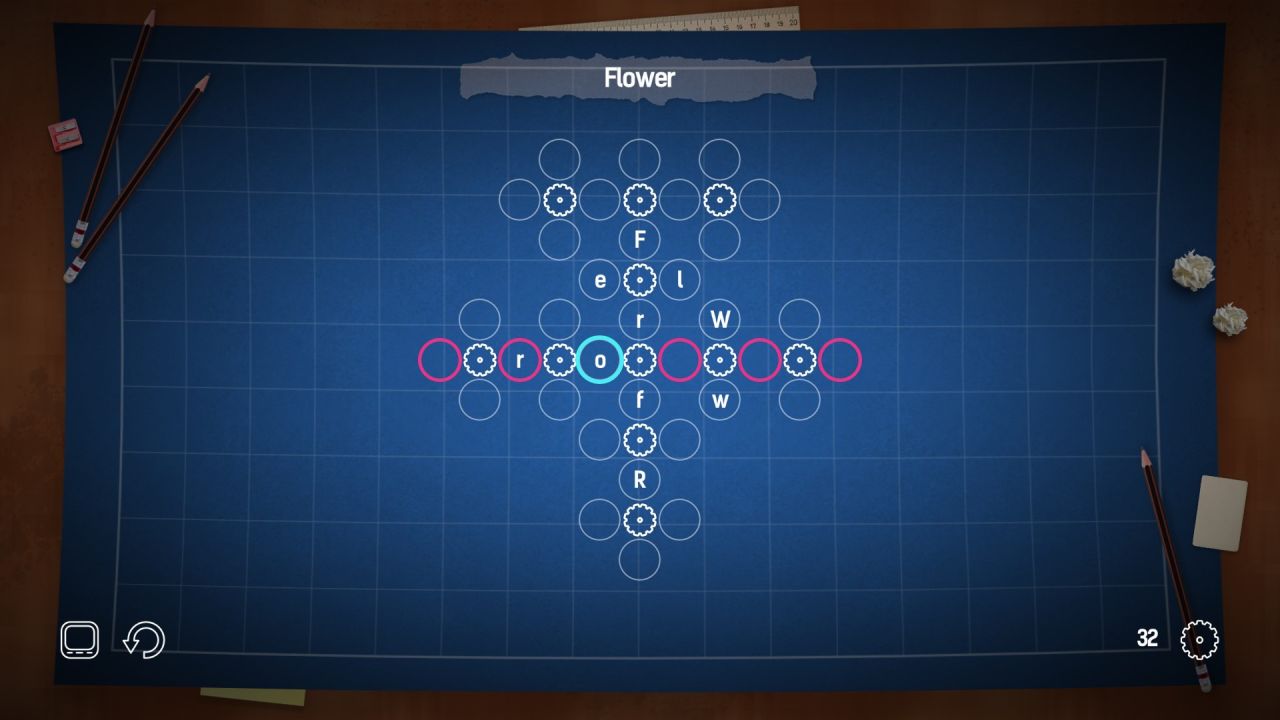
What word games are there on digital platforms?
There are many different formats in which word games can be found on digital platforms, each format calling for a range of cognitive skills, possessing its own session structure, and providing a variety of methods for competition to occur.
The different types of word games available on digital platforms are listed below.
- People apply their vocabulary when solving crossword puzzles, with clues given indirectly and following the arrangement of letters in a structured grid with a particular theme. This format is ideal for long, focused sessions and not only helps to improve vocabulary and knowledge retention but also offers a form of recreation.
- Word search puzzles help individuals improve sustained visual attention and develop the ability to detect patterns, whether in casual or competitive situations, by asking them to look for words hidden within grids of letters arranged at random. This kind of game is ideal for short sessions and can be enjoyed by people of all ages and at any level of vocabulary.
- Solving anagram puzzles involves arranging a set of scrambled letters to form real words, enhancing one's ability to recognize patterns and process spellings within a time limit. The way the puzzle is presented leads to a great deal of mental engagement over short periods and is appropriate for both experienced and casual players.
- In word scramble games, the player is given several letters that have been jumbled and is asked to form valid words within a time limit; it is a fast-paced form of intellectual activity that is available on both mobile and internet platforms, and the game can be played with competitive leaderboards or in daily challenge mode.
- Typing games combine the requirement for quick physical input with the ability to recognize words by asking players to type out words that they have already recognized before the time is up; the difficulty of the game increases as a result. They are useful for improving vocabulary recall and keyboard skills in both instructional and competitive gaming situations.
- Vocabulary games involve various kinds of activities based on definitions, such as matching words with their synonyms or spotting words in a specific context. These games not only help an individual to enlarge their active vocabulary but also provide an enjoyable experience. This approach is suitable for educational websites and language learning tools intended for all ages.
- Word games that are based on competition and use words—such as those involving Scrabble-style tiles and live word scramble tournaments in which players compete with each other using the same letters and scoring system—have the highest level of player retention since a competitive community develops and progressive ranking systems are in place.
What kind of experience do the different platforms provide for word-based games?
For word games, mobile platforms such as iOS and Android provide the most thorough experience since they enable on-demand access, are designed to work efficiently with touch controls, and allow players greater flexibility in choosing when to play compared to desktop or console systems.
Browser-based platforms have the greatest accessibility because it is not necessary to download any software, which is why casual players who want to take part immediately on shared or new devices prefer them.
Conversely, desktop environments are most appropriate for competitive formats—for example, tournament Scrabble or timed crossword competitions—since the keyboard enables faster input, the bigger screens, and the ability to play for longer periods give experienced players clear advantages over those using mobile or browser platforms.
Why has there been an increased popularity of word games as a result of mobile devices?
Mobile devices contributed to the increased popularity of word games because players could access puzzles at any time, right in their pockets, turning scheduled desktop or physical activities into spontaneous leisure that could be enjoyed while commuting, on breaks, and at other times throughout the day.
Because the controls were designed for touch, there was no longer a need for a keyboard—a requirement that had previously limited people's ability to play word games—so people of all ages and with all levels of technical comfort could take part by simply tapping and swiping.
The distribution of apps via the app store platforms (the Apple App Store and Google Play) gave word game developers direct access to global audiences without having to go through retailers, which in turn accelerated the growth of the genre and led to a greater variety of formats within both the informal and competitive mobile gaming communities.
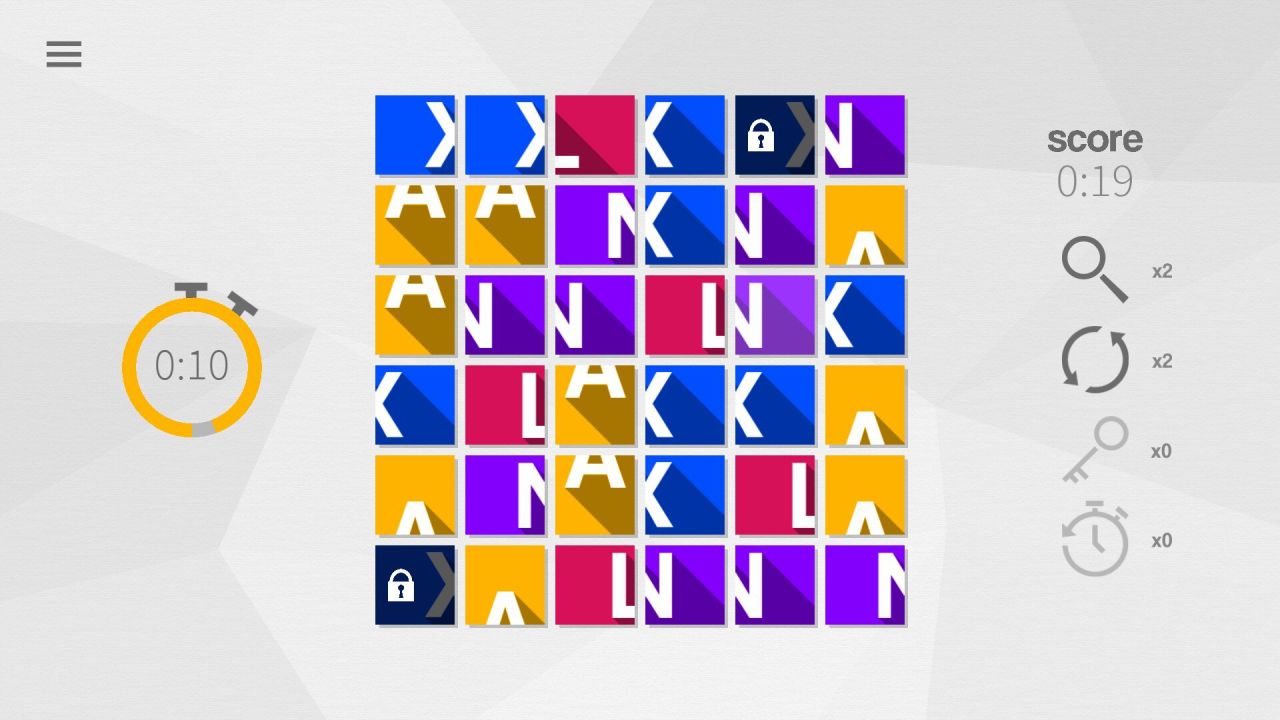
What contribution do word games make to cognitive abilities and what do they provide in terms of amusement for the players?
Well, then, what role do word games play in improving brain function? They turn vocabulary, memory, pattern recognition, and decision-making into enjoyable games that people are willing to play rather than study. Using crosswords and anagram solvers helps strengthen long-term memory and orthographic processing, which in turn improves recall of language and spelling when you take part voluntarily and repeatedly.
The more regularly you play word scrambles and other letter-based games, the better you will become at recognizing patterns that can then be applied when making faster analytical decisions at work and in school.
It is natural for people to enhance their critical thinking skills by playing word games since such games involve evaluating various combinations of letters, rejecting those that are invalid, and then choosing the one that scores the highest or is the fastest under the given conditions.
Studies of brain function indicate that frequently playing word games results in real improvements in working memory, a faster processing speed, and a reduced risk of cognitive decline in older adults.
The fact that this kind of game achieves both cognitive development and recreational pleasure means that word games are the most practical of the lightweight games that are available on mobile devices, in web browsers, and on desktop computers.
What pleasure do those who compete derive from timed word challenges?
Those who enjoy competitive play are attracted to timed word challenges because the pressure to perform turns their capacity to remember vocabulary and identify patterns into measurable skills, resulting in a high level of engagement that cannot be achieved simply by playing word games casually.
The time constraint causes people to evaluate combinations of letters more rapidly and with greater confidence, so they are rewarded for remembering the correct terminology and detecting patterns rather than just recognizing common words.
Moreover, leaderboards and progressive ranking systems offer competitive players clear performance criteria and well-defined routes for advancement, helping keep them involved in mobile and browser-based word games until they have mastered their abilities.
What is the effect of the daily word challenge on player retention?
It is also important to run regular word challenges if you want to boost player retention, since they help people build habits that lead them to visit the platform regularly instead of just hoping they'll return after their first download or registration.
The daily challenges are set in advance (with one puzzle each day and the same letters being available to all players), which in turn encourages social discussion, allows players to compare their results, and promotes community involvement, thus extending the platform's level of engagement not only beyond the end of each session but right into a phase of continuous interaction.
The artificial scarcity caused by the daily limit increases the perceived value of the challenge, leading players to keep coming back to maintain their streaks, compare their results, and take part in the shared community experiences that closed-ended casual formats in competitive word game communities are unable to reproduce.
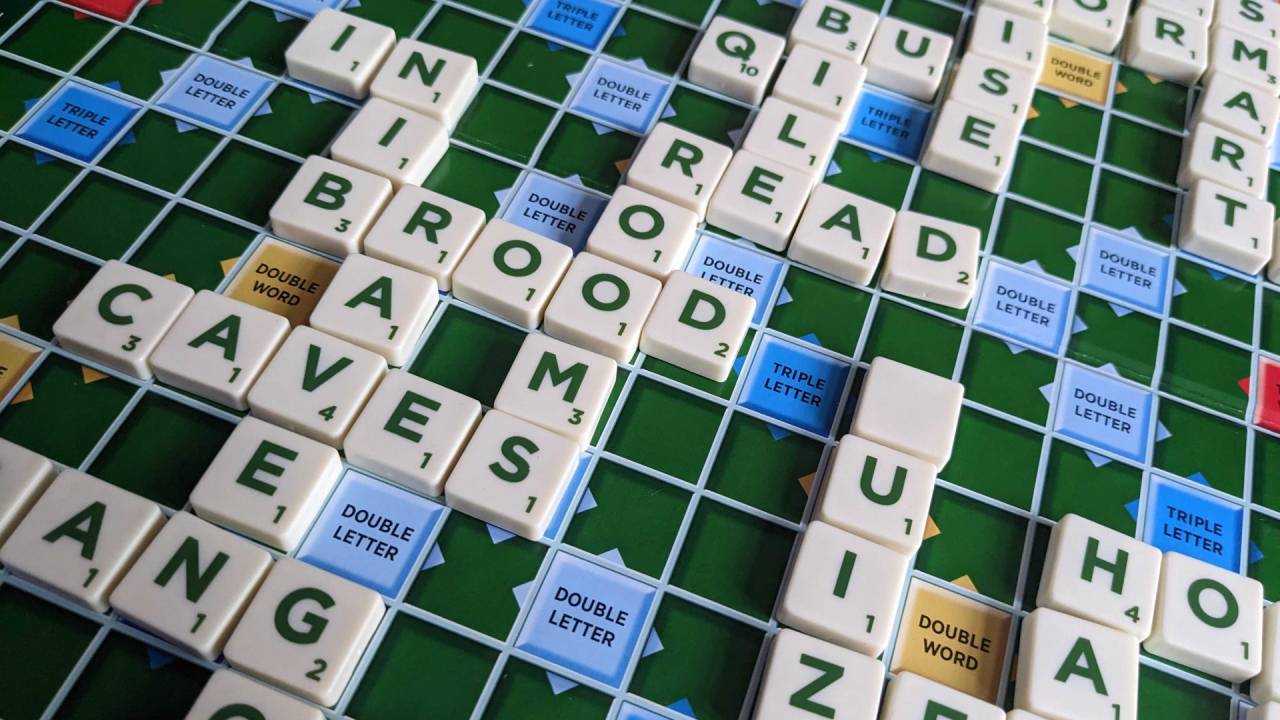
What makes UnscrambleX important to those who play word games?
If you wish to improve your vocabulary memory before taking on word games, you should study anagrams, get used to the correct combinations of letters, and use these expert tools when working on words; the tools give accurate answers almost instantly and have no effect on your in-game performance. Practicing with tools that allow users to actively search for words helps to improve pattern recognition.
It develops their orthographic processing skills—skills that are highly regarded in competitive word games. Consequently, there are measurable performance improvements that can be applied to crosswords, Scrabble, and word scrambles, and players who regularly use such tools to expand their vocabularies perform better in word games than those who depend entirely on their knowledge of the game.
If you want to find out possible word combinations, enlarge your working vocabulary, and get some experience in deciding on the letters before taking part in competitive games, you have the opportunity to take part in timed challenges, join multiplayer events, and play the daily puzzle games on UnscrambleX.
The platform does not replace the games; instead, it enhances the vocabulary and pattern recognition skills that influence your performance in all digital word games on mobile devices, in browsers, and on desktop PCs.
Does the ability of people who take part in word games increase over time?
People get better at these word games by spending more time on them. To achieve this, they practice steadily and, at the same time, carefully expand their vocabulary by using word discovery tools, looking into the etymology of words, and doing pattern recognition exercises in various types of word games.
To increase the speed at which they can remember words and their ability to identify combinations of letters—both of which are important for performing well in competitive word games—they look up the words that they do not know when they come across them during their game sessions, solve anagrams by rearranging the letters, and take part in the daily challenge features on several platforms.
They keep records of their scores (including the time it takes them to finish the tasks, their accuracy, and the number of points they earn) from several sessions so that they have clear evidence of their improvement. Based on this, they can identify specific weaknesses in their language skills that need to be corrected.
What are the present-day trends in the gaming industry having an impact on the future of word puzzle games?
The direction that word puzzle games are taking is being shaped by cross-platform play, daily challenges, AI-generated puzzles, community leaderboards, and live events, as these features offer greater accessibility, a higher degree of competitiveness, and a wider variety of content than can be achieved using static puzzle libraries.
Because AI-generated puzzles are now being used, it is possible to provide difficulty levels that can be scaled without limit and customized to each player's vocabulary and skill level, thereby eliminating content fatigue as a factor that had previously limited long-term engagement with word games.
Word puzzle games, which were once solitary activities, have now become social and competitive due to the introduction of community leaderboards and live competitive events. The appeal of live events and social leaderboards is that they bring in audiences who have hitherto only been present in the multiplayer action and strategy gaming sectors on both mobile and browser platforms.
What ought gamers to be looking for in word puzzle games which are of high quality?
If anyone wants to find out about some good word puzzle games, they should follow the seven steps which are listed below.
1. Gameplay: You ought to select games which involve a wide range of puzzles (for example, crosswords, anagrams, word scrambles, timed challenges, and so on) since the variety of activities will stimulate different cognitive skills within the same program. Offering a variety of tasks will help prevent the interaction from growing boring and will maintain high levels of interest throughout a
2. Difficulty Curve: Difficulty involves selecting games that have a slow yet high level of difficulty; this approach will manage to keep the users engaged while at the same time being suitable for new players. The difficulty is increased slightly to keep casual players interested, while also posing a challenge for competitive players.
3. Controls: Select games that have simple and responsive methods of play (such as tap-and-type or drag-and-drop, or controls that are friendly to the keyboard) so that the distance between what the player wants to do and what takes place on the screen is reduced. The controls are intuitive, and the durations of the sessions are based on a cognitive level, not a mechanical one.
4. Periodic Updates: Choose websites that regularly provide new puzzle collections, themed challenge events, and expansions to their word lists since the frequent updates indicate that the producers care about the game and help keep the content current (thus encouraging players to avoid outdated word game archives).ted word game archives).
5. Ease of Access: When choosing games, make sure that you can alter the text size, change the color contrast, and that the game is available on a variety of platforms, including mobile devices, the internet, and desktop computers. Well-designed games provide access to a broader range of players without compromising the competitive depth that experienced players expect.
6. Replayability: Players should expect to find procedural content, games in the style of daily challenges, and incremental scoring systems that make each playthrough unique. In fact, across various word game markets, there is a clear distinction between sustainable long-term platforms and those that are merely suitable as one-off novelty games when it comes to replayability.
7. Communities: Add leaderboards, social sharing, and competitive event frameworks so users have more than a single session to keep them engaged. Active communities foster social accountability and friendly competitiveness. This ultimately makes word games appealing for casual and competitive players alike.
Moderator, NoobFeed
Latest Articles
No Data.