
MSI RTX 5080 Price Hike Could Push Custom Graphics Card Beyond $2,000
MSI's reported RTX 5080 price increase exposes how memory shortages and enterprise AI demand are pushing premium gaming hardware beyond reasonable budgets.
Hardware by Tanvir Kabbo on Nov 11, 2026
The premium graphics card market is getting increasingly unfriendly for PC gamers, and MSI's newly reported price increase could make things a lot worse. MSI is reportedly preparing to significantly hike prices on its custom GeForce RTX 50 series cards, with some RTX 5080 variants potentially increasing by as much as $1,200, according to a supply-chain leak from Board Channels.
For the enthusiasts who recall NVIDIA releasing the RTX 5080 with a $999 MSRP, the alleged change is hard to swallow. A high-end competitor to the RTX 5090, a graphics card that debuted as a high-end alternative to the flagship RTX 5090, could soon be priced in the realm of the priciest GPUs. MSI hasn't officially confirmed these changes, but the published numbers show how bad things are getting in the consumer graphics industry.
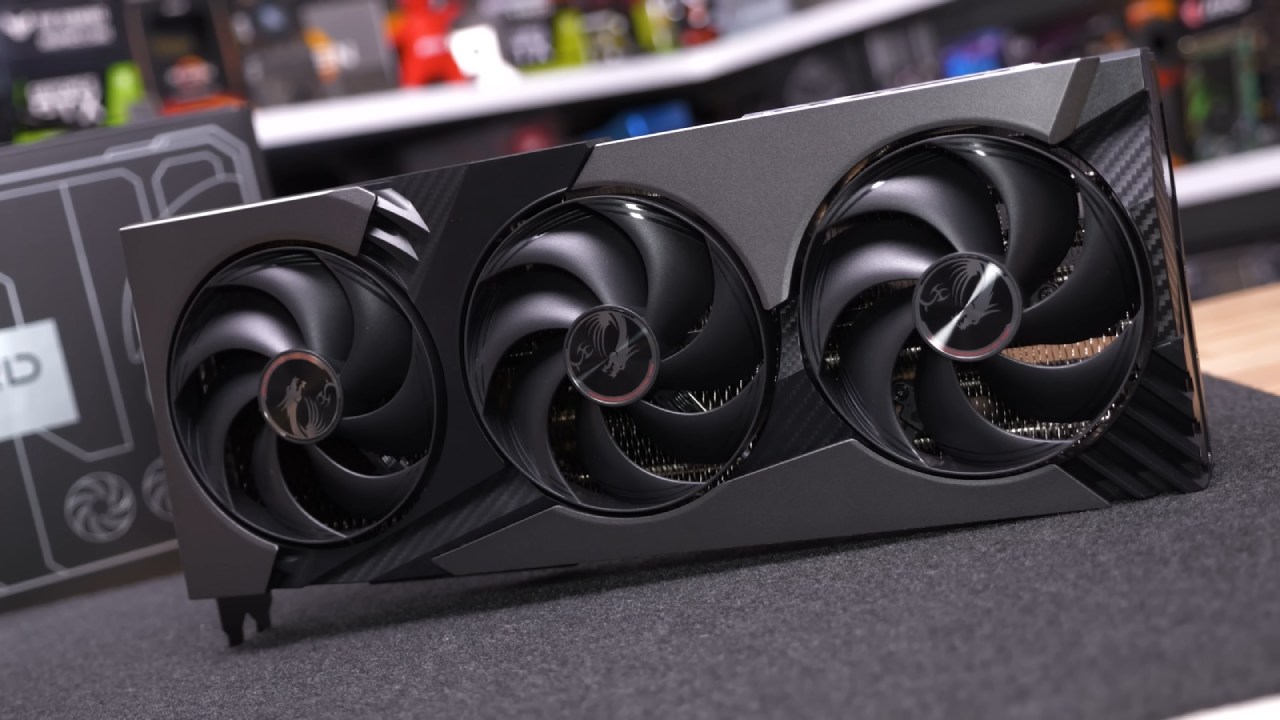
The Supply Chain Nightmare: Shortages of GDDR7 and The AI Tax
The major question is: What can explain such an incredible price rise? The reason is a mix of linked supply chain concerns, with memory shortages and enterprise AI demand playing a major role.
The persistent shortages of memory components, such as GDDR7, are adding further complications for graphics card producers. NVIDIA's RTX 50 series uses GDDR7; higher memory prices can directly affect production economics. If component prices become volatile, it becomes harder to keep retail prices at historical levels.
Enterprise AI demand is making matters worse. Hyperscalers and data center operators are investing enormous amounts in AI accelerators, high-bandwidth memory, server DRAM, and storage infrastructure. Memory manufacturers have strong financial incentives to prioritize enterprise customers, leaving consumer hardware manufacturers competing for increasingly constrained supplies.
The pressure extends beyond graphics memory. TLC NAND shortages are contributing to broader storage-market uncertainty, while rising copper and other raw-material costs are increasing manufacturing expenses across the electronics industry.
This growing combination of pressures is effectively creating an AI Tax for PC builders. However, increasing production costs do not inherently justify infinite price surcharges, especially when consumers are already paying large amounts for enthusiast hardware.
MSI and other Add-In Board (AIB) partners need to protect their margins amid unexpected procurement expenses. Unfortunately, these added costs are increasingly being passed straight on to the user, making top-end graphics cards even more unaffordable.
RTX 5080 Pricing Is Approaching RTX 5090 Territory
The most ridiculous consequence of the reported adjustment is what it means for NVIDIA's product hierarchy. The RTX 5080 launched at $999, while the flagship RTX 5090 carried a launch MSRP of $1,999. The RTX 5080 was supposed to offer high-end gaming performance without requiring buyers to spend flagship-level money. That distinction is rapidly disappearing.
With premium custom models already commanding substantial premiums, another potential $1,200 price hike could push certain MSI RTX 5080 variants beyond $2,000 and toward $3,000. That would place a non-flagship graphics card into an entirely different pricing category.
Custom models naturally command additional premiums for improved cooling, stronger power delivery, factory overclocks, and premium designs. However, those enhancements don't turn an RTX 5080 into an RTX 5090.
Buyers are still getting the same underlying GPU architecture and 16GB memory configuration. Spending several thousand dollars for improved cooling and modest factory overclocking becomes difficult to justify when considerably more affordable alternatives may offer better overall value.
The reported increases reportedly extend beyond the RTX 5080, affecting other RTX 50 series models, including the RTX 5070 Ti, RTX 5070, RTX 5060 Ti, and RTX 5060. That could mean the problem is more widespread than just MSI's high-end graphics cards.
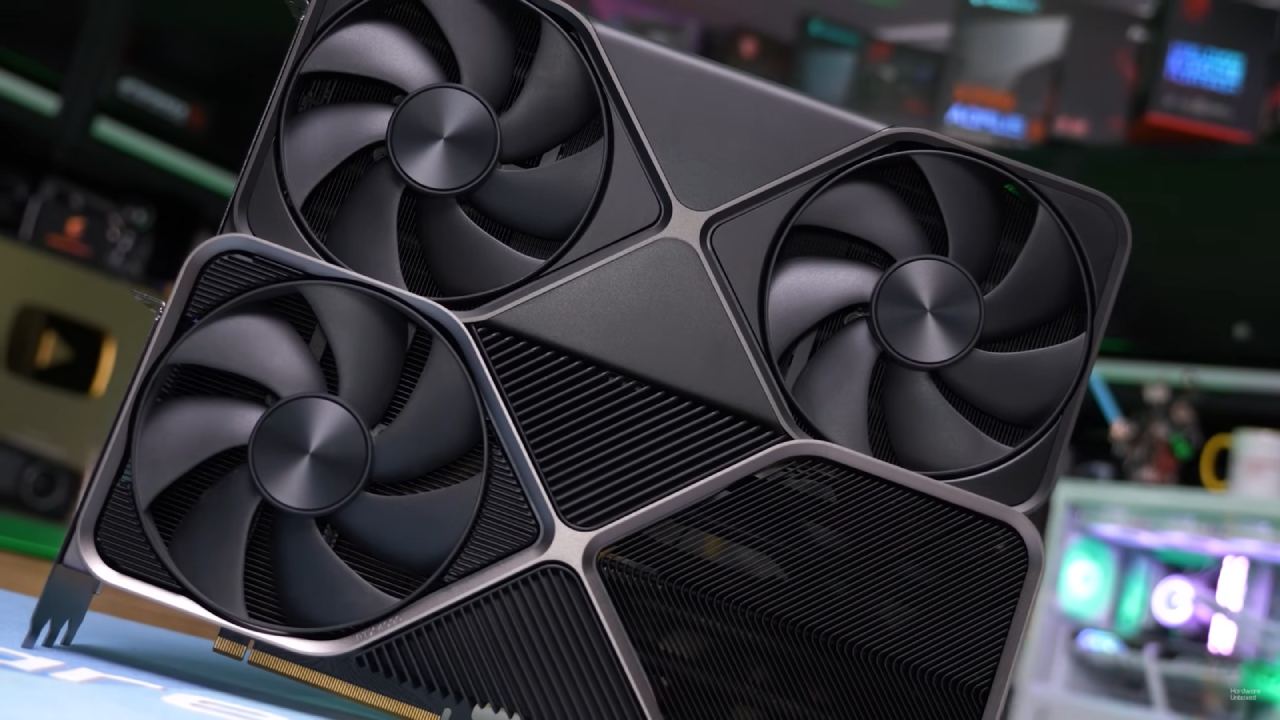
NVIDIA's AI Priorities Are Making Gaming More Expensive
Another concern is NVIDIA's increasing focus on enterprise AI hardware. Data center accelerators represent an enormous business opportunity, with enterprise customers often willing to spend substantially more than ordinary gaming consumers.
When production capacity and memory supplies tighten, consumer graphics products can end up competing against far more profitable enterprise opportunities. AIB manufacturers also have to pay distributor expenses and struggle to find components. In the end, PC makers have little say in these decisions and are left to deal with more uncertain retail costs.
It reminds me of the bitcoin mining frenzy when GPU shortages drove gaming hardware to unreasonable budgets. The reasons for the current crisis are different, but the consumer experience is growing frustratingly familiar.
FAQ
Q. How much could MSI increase the price of its custom RTX 5080 graphics cards?
A. According to the reported supply-chain leak, MSI could increase prices by up to $1,200 for certain custom RTX 5080 models, potentially pushing premium variants beyond $2,000.
Q. What is the original MSRP of the NVIDIA RTX 5080?
A. The NVIDIA GeForce RTX 5080 launched with an official MSRP of $999, making the reported MSI price adjustments particularly significant for PC gamers.
Q. Why are MSI RTX 5080 graphics cards reportedly becoming more expensive?
A. Memory shortages, rising GDDR7 procurement costs, enterprise AI demand, and increasing raw material expenses, such as copper, are driving up graphics card production costs.
Q. Should gamers buy an MSI RTX 5080 after the reported price increase?
A. Gamers should evaluate alternatives, consider the used market, or wait for more reasonable pricing rather than paying excessive premiums for an RTX 5080.
Senior Editor, NoobFeed
Gaming Hardware Updates
No Data.