
NVIDIA RTX 5070 8GB Laptops Struggle in Modern Games as 12GB Version Delivers Better Performance
NVIDIA's RTX 5070 12GB delivers improved gaming consistency, but its significantly higher price makes the upgrade difficult to justify.
Hardware by Tanvir Kabbo on Nov 10, 2026
As newer games demand more and more visual memory, choosing an NVIDIA RTX 5070 gaming laptop has become more complex. The initial 8GB setup can still play most games, but more demanding titles are already showing its limits. But today, NVIDIA has announced a redesigned RTX 5070 laptop GPU with 12GB of VRAM, which is 50% more memory. However, the enhanced version comes with a higher price tag, raising the question of whether the extra capacity is worth the extra cost.
RTX 5070 8GB vs. 12GB: Key Differences
The two RTX 5070 SKUs have the same number of CUDA cores, power restrictions, memory speeds, and other specs. The only difference is VRAM: the 12GB version offers more room for heavy textures and graphical elements. The comparison is against the Framework 16 laptop, which can handle either GPU combination because of its interchangeable modules. This way, the laptop stays the same; the only difference is VRAM capacity.
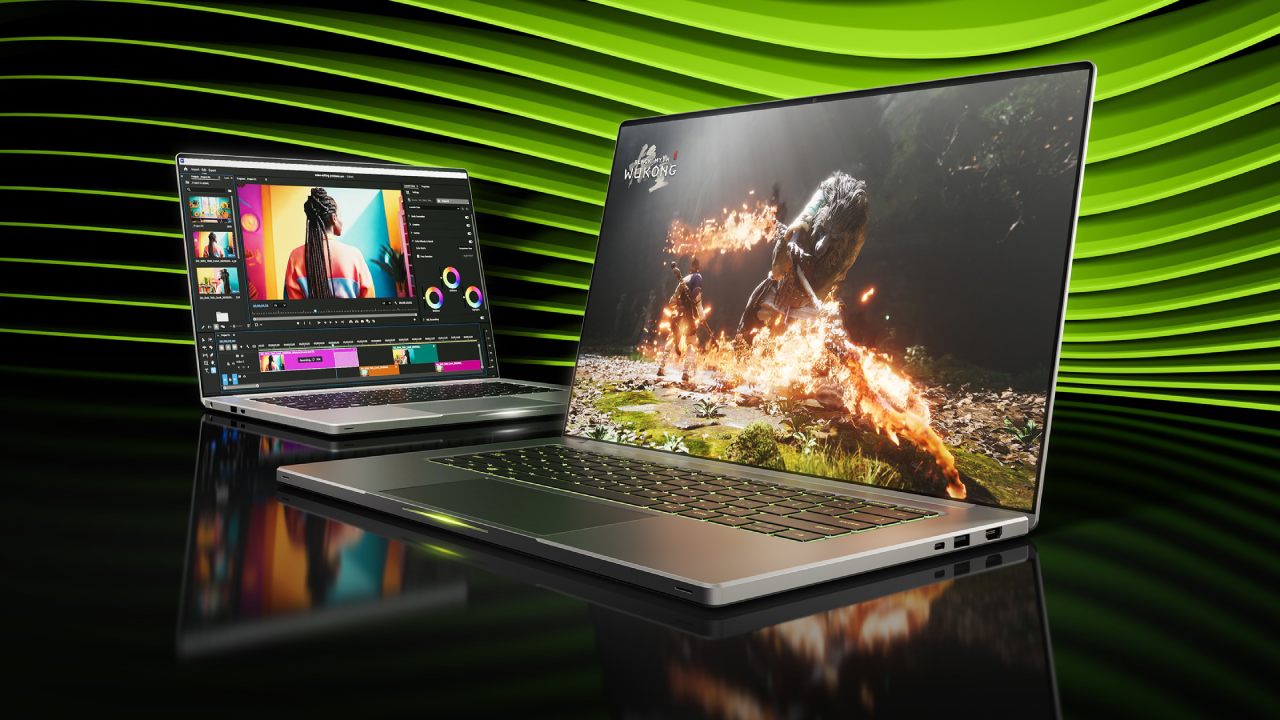
But the 12GB GPU module costs 71% more than the 8GB one if you buy it separately from Framework. Full gaming laptops have the same pricing issues. The cheapest RTX 5070 12GB laptop costs $1,900; however, several cost more than $3,000. Only eight models are listed right now.
Meanwhile, 66 RTX 5070 8GB laptops are available, with prices starting at $1,250. The original configuration offers far more options and better value.
Spider-Man 2 and Forza Horizon 6 Expose VRAM Limitations
Spider-Man 2 running at 1440p with very high settings demonstrates the biggest difference. The 8GB RTX 5070 delivers extremely choppy gameplay, with frame rates approximately one-third of the 12GB version. With the restricted VRAM, the 8GB GPU can't hit its 100W power limit. The 12GB option, in contrast, consumes about 10GB of VRAM and is far more pleasant to play.
Turning on ray tracing, DLSS, and frame generation makes the disparity even more evident. Even with ray tracing and frame generation off and balanced DLSS upscaling, it doesn't fully fix the problem. At 1440p, both configurations require low settings to match performance. At 1080p, the medium settings are significantly closer. Lower resolutions require less VRAM.
Forza Horizon 6 is another example. The 12GB version runs about 60fps at severe settings at 1440p, but the 8GB version slips into the mid-30s. Lowering settings helps, but you don't need to make concessions if you have more VRAM.
Performance Across 20 Games
Across all 20 games tested, the RTX 5070 12GB was, on average, over 30% faster. However, Spider-Man 2 and Forza Horizon 6 strongly influenced this outcome. Removing those two titles makes average performance across the remaining 18 games almost identical. Nevertheless, the 12GB configuration generally delivers better 1% lows, meaning fewer noticeable stutters and more consistent gameplay.
When VRAM runs out, additional memory requirements spill into slower system RAM. Performance dropped even more when we tested with only 16GB of system memory, since memory requirements could potentially spill over to the SSD. In the end, only two of the 20 titles had real issues with 8GB of VRAM, while around five had far worse 1% lows.
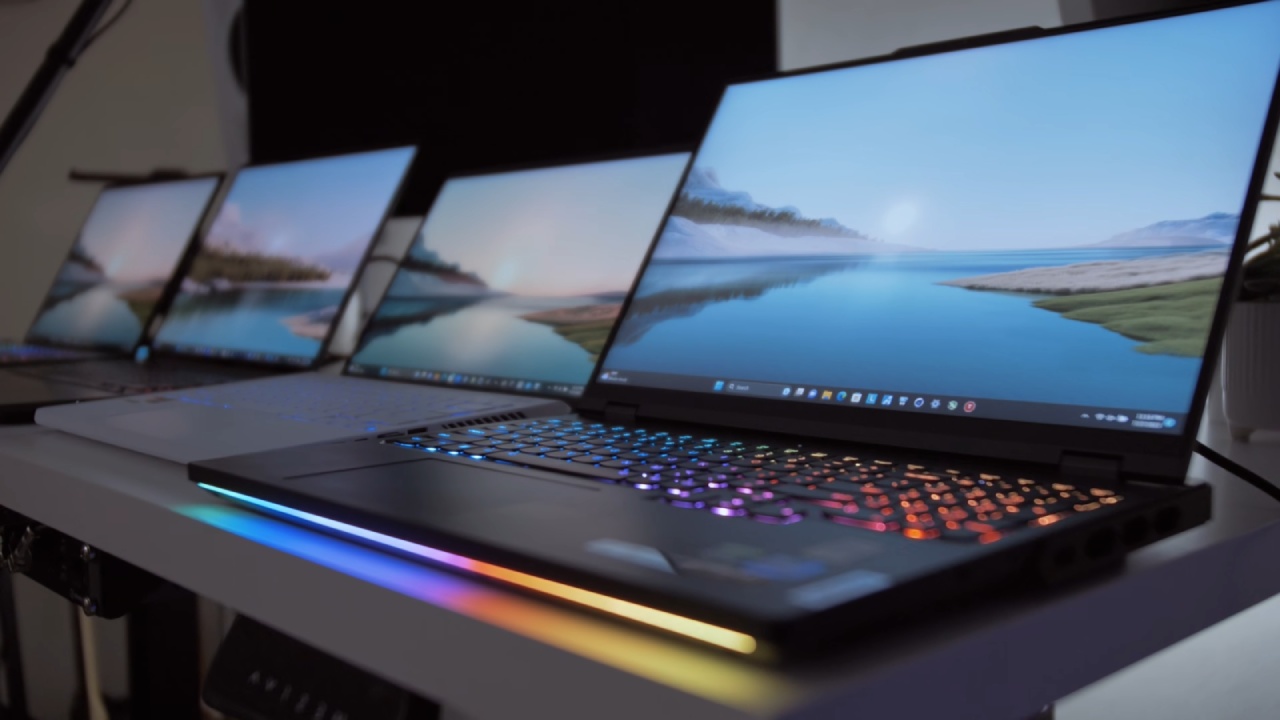
RTX 5070 12GB vs. RTX 5070 Ti: Which Is Better Value?
Average laptop prices in the US at the end of August 2026 show the RTX 5070 12GB was about 30% more expensive than the 8GB version. The extra performance isn't worth the extra cost, and the base model offers better value in most games tested.
But 8GB of VRAM has been a staple for laptop GPUs from the 70-series, starting with the GTX 1070 back in August 2016, for about 10 years now. Modern games are increasingly showing the limits of this capacity.
The RTX 5070 Ti makes the purchasing decision even more interesting. Across an earlier 25-game comparison, it was approximately 33% faster than the RTX 5070 8GB thanks to its more powerful GPU, higher power limit, faster memory, and additional VRAM.
More importantly, five RTX 5070 Ti laptops are currently cheaper than the least expensive RTX 5070 12GB laptop. For example, the HP Omen Max 16 offers RTX 5070 Ti graphics at the same price as the RTX 5070 12GB HP Omen 15, although with half the storage and without an OLED display.
Ultimately, the RTX 5070 8GB remains suitable for most games today, but demanding titles increasingly require compromises. The 12GB version offers better consistency, although its current pricing makes it difficult to recommend. Checking RTX 5070 Ti laptop prices before purchasing could deliver significantly better gaming performance without spending more.
FAQ
Q. What is the main difference between the RTX 5070 8GB and 12GB laptop GPUs?
A. The only hardware difference is VRAM capacity. The RTX 5070 12GB offers 50% more video memory, while both GPUs have identical CUDA cores, power limits, and memory speeds.
Q. How much faster is the RTX 5070 12GB compared to the 8GB version?
A. Across 20 tested games, the RTX 5070 12GB was approximately 30% faster on average. However, this result was heavily influenced by Spider-Man 2 and Forza Horizon 6, while performance across the remaining 18 games was nearly identical.
Q. Is the RTX 5070 12GB worth buying over the 8GB version?
A. The 12GB version offers more consistent performance in demanding games, but its laptop price is about 30% higher, making it hard to recommend based on overall value.
Q. Is the RTX 5070 Ti a better choice than the RTX 5070 12GB?
A. Yes. The RTX 5070 Ti 12GB delivers considerably better gaming performance, and some available RTX 5070 Ti laptops cost less than the cheapest RTX 5070 12GB models.
Senior Editor, NoobFeed
Gaming Hardware Updates
No Data.