
Intel Razor Lake-S Targets 2028 Launch With LGA 1954 Socket Support
Intel's 2028 desktop roadmap could finally deliver longer motherboard compatibility and a more flexible upgrade path for PC enthusiasts.
Hardware by Tanvir Kabbo on Nov 09, 2026
Intel could finally be addressing one of the biggest frustrations among desktop PC builders: frequent motherboard socket changes. According to a new hardware leak, Intel Razor Lake-S desktop processors are targeting a 2028 launch and could retain the same LGA 1954 socket expected to debut with Nova Lake-S in 2027.
If accurate, this would let Intel's next desktop platform support multiple CPU generations, making it far more attractive to enthusiasts planning their next upgrade.
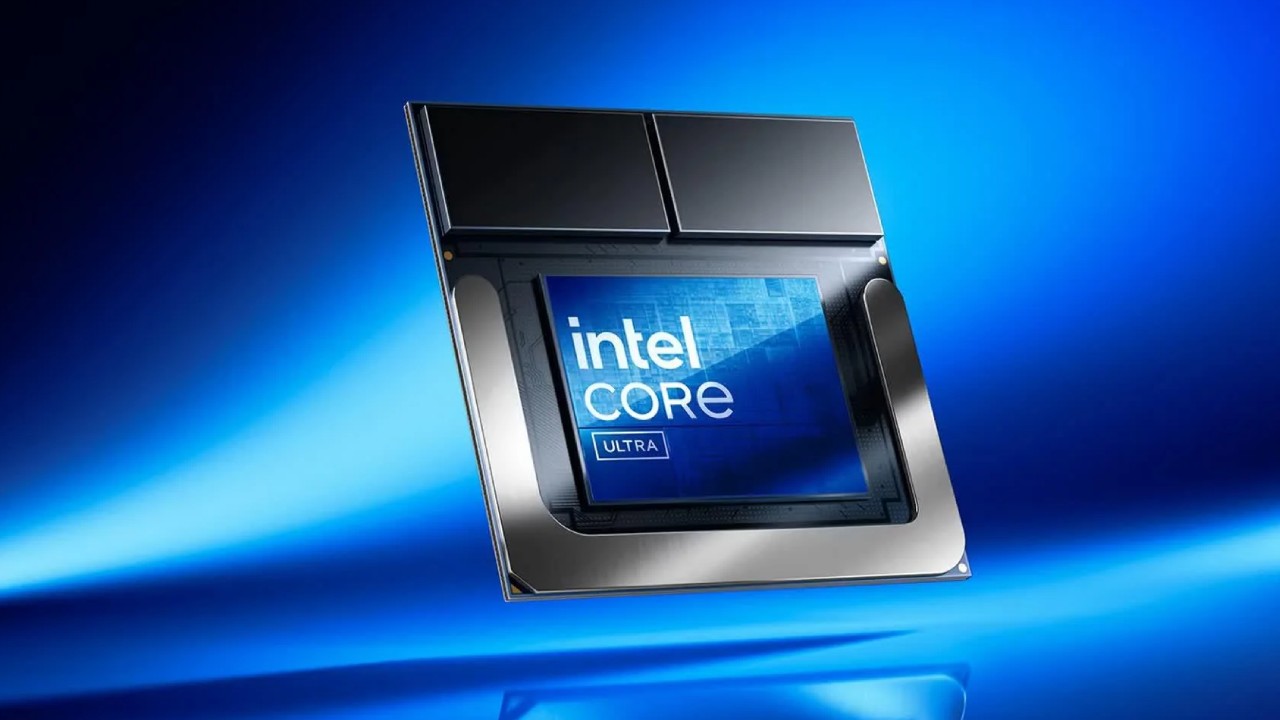
The reported timeline also offers an early look at Intel's desktop roadmap beyond Nova Lake-S. While the 2027 generation is expected to introduce the LGA 1954 platform, Razor Lake-S could build on that foundation just one year later. For consumers increasingly concerned about rising motherboard prices, this potential continuity may matter as much as the processors themselves.
Intel Razor Lake-S Targets a 2028 Desktop Launch
According to the latest sources, Intel Razor Lake-S desktop CPUs are projected to emerge in 2028, some time following the expected 2027 introduction of Nova Lake-S. Intel hasn't officially confirmed this roadmap, but the timeline suggests the company is already preparing multiple generations for its future desktop platform.
This is particularly intriguing because desktop CPU upgrades have been getting increasingly expensive. When you buy a new processor, you usually need a compatible motherboard, which is another expensive component in an already expensive PC setup. These extra costs can be difficult to justify for marginal performance gains, especially for enthusiasts who routinely upgrade their systems.
Razor Lake-S potentially sharing Nova Lake-S' socket could change that calculation.
LGA 1954 Could Bring Multi-Generational Motherboard Support
The most significant part of this leak is the reported decision to retain LGA 1954 for both Nova Lake-S and Razor Lake-S. Intel has faced criticism for comparatively short desktop socket lifespans. The manufacturer has supported many generations on some platforms, but frequent socket migrations have led many consumers to purchase new motherboards even when upgrading in a very short time frame.
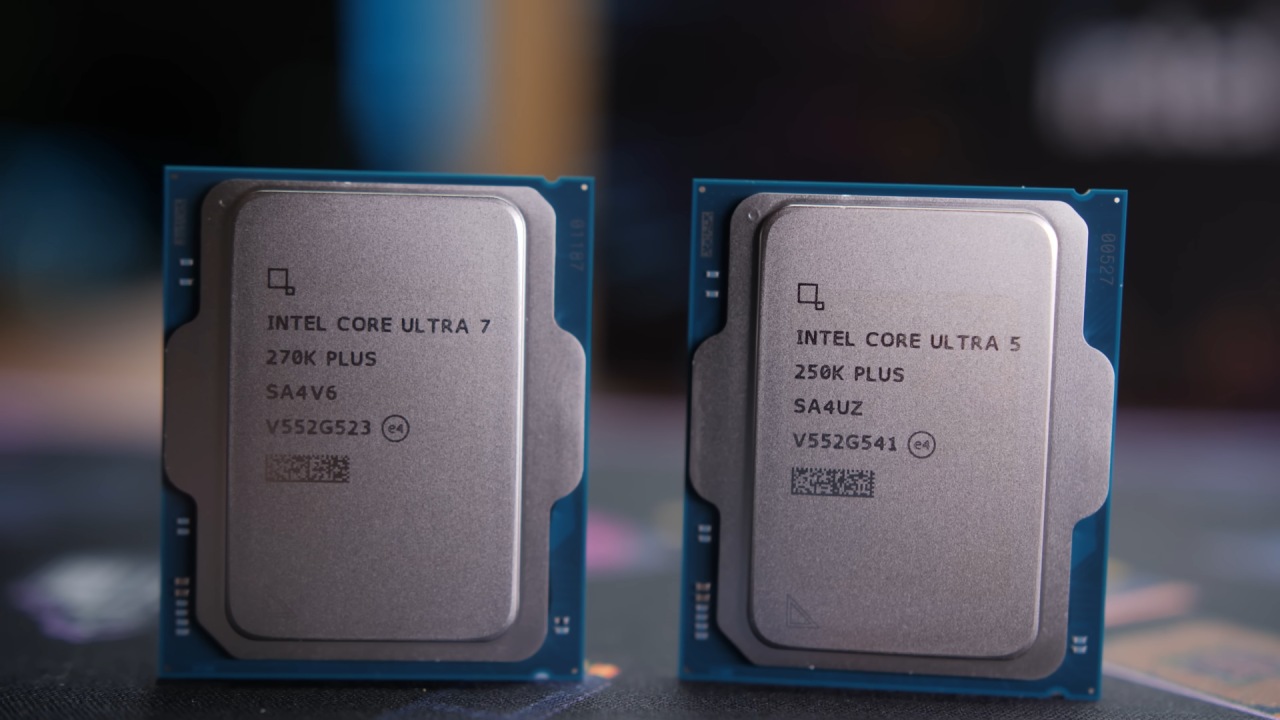
LGA 1954 strategy could represent a meaningful improvement
If Nova Lake-S releases in 2027 as planned, early adopters could buy an LGA 1954 motherboard and reuse it when Razor Lake-S arrives in 2028. It may simply require a processor upgrade, rather than a whole new motherboard platform. This might make buying a mid-range Nova Lake-S CPU particularly attractive for builders who aim to upgrade to a high-end Razor Lake-S model down the line.
But sharing a physical socket doesn't mean they're universally compatible. Intel and motherboard makers will still need to offer the necessary BIOS upgrades, and power delivery and chipset considerations will likely decide whether current motherboards can handle newer processors.
Still, a common socket across two generations of desktop CPUs would benefit Intel's desktop ecosystem.
Griffin Cove P-Cores and Xe3P Graphics Could Bring Bigger Changes
Beyond socket longevity, rumors suggest Razor Lake-S will also deliver architectural upgrades. One of the most interesting tidbits is Griffin Cove, said to be the processor's new performance-core design.
No specific specs are available yet, but a new P-core design could boost instructions per clock, efficiency, and overall single-threaded performance. Such benefits would matter most for gamers, as stronger individual cores could make a difference in CPU-bound titles.
Integrated graphics will also get plenty of attention. Whispers suggest certain Razor Lake-S configurations could sport up to 12 Xe3P GPU cores, potentially delivering a large boost in graphics power over typical desktop CPUs with rudimentary integrated graphics.
This could blur the line between traditional desktop CPUs and high-performance APUs. Stronger integrated graphics could offer customers who don't instantly need a dedicated graphics card a more capable starting point for everyday computing and lighter gaming.
But real-world performance will rely on clock rates, memory bandwidth and Intel's final implementation. So the 12 Xe3P cores described should be viewed as an early specification rumor rather than a confirmed feature.

Intel Needs to Compete With AMD's Platform Longevity
Intel's alleged LGA 1954 strategy comes at a pivotal time for the desktop CPU industry. AMD's AM4 platform established the value of long-term motherboard compatibility as a marketing factor, supporting numerous generations of processors and remaining relevant well beyond its initial release. AM5 has continued that strategy, giving consumers more confidence in their motherboard investments.
Intel needs a similar strategy to woo builders that value long-term upgrade flexibility. With motherboard prices steadily rising, asking users to swap out their boards every generation makes Intel's upgrade pitch less attractive. Supporting Nova Lake-S and Razor Lake-S on LGA 1954 could help address that concern and encourage earlier platform adoption.
FAQ
Q. When are Intel Razor Lake-S desktop CPUs expected to launch?
A. Intel Razor Lake-S desktop processors are reportedly targeting a 2028 launch, approximately one year after the expected 2027 release of Nova Lake-S.
Q. Will Intel Razor Lake-S use the same LGA 1954 socket as Nova Lake-S?
A. According to current leaks, Razor Lake-S will reportedly retain the LGA 1954 socket, potentially allowing users to upgrade from Nova Lake-S without replacing their motherboard, provided the board receives compatible BIOS support.
Q. What architecture will Intel Razor Lake-S processors feature?
A. Razor Lake-S is rumored to introduce Intel's Griffin Cove performance cores, alongside integrated graphics configurations featuring up to 12 Xe3P GPU cores.
Q. Will existing LGA 1700 or LGA 1851 motherboards support Razor Lake-S?
A. No. Current leaks indicate that Razor Lake-S will use the newer LGA 1954 socket, meaning existing LGA 1700 and LGA 1851 motherboards are not expected to support these processors.
Senior Editor, NoobFeed
Gaming Hardware Updates
No Data.