
Intel Nova Lake Edge Leak Reveals 8 E-Cores and Massive 12 Xe3P GPU Upgrade
Intel Nova Lake Edge leak highlights an E-core only design paired with massive 12 Xe3P graphics aimed at edge computing acceleration.
Hardware by Tanvir Kabbo on May 27, 2026
Intel's upcoming Nova Lake lineup is rapidly becoming one of the company's most diversified processor families in years. Beyond the high-core-count desktop parts and rumored enthusiast chips, fresh leaks now suggest Intel is preparing a highly specialized "Edge" processor aimed squarely at compact embedded systems, industrial deployments, and GPU-heavy edge workloads.
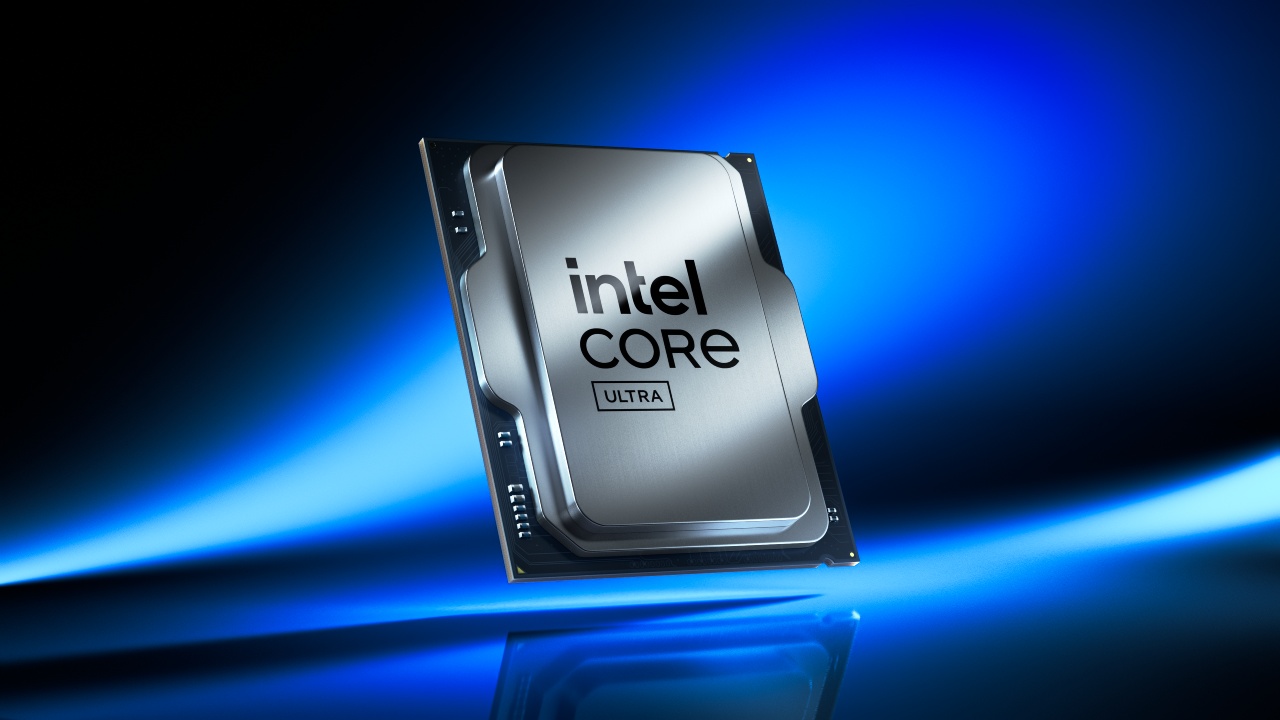
According to reports, the new Nova Lake Edge variant takes an unusually aggressive approach to efficiency-focused silicon design. Instead of mixing Performance and Efficiency cores like modern hybrid Intel CPUs, this chip reportedly eliminates P-cores entirely. It relies solely on 8 Arctic Wolf E-Cores alongside a surprisingly large 12 Xe3P integrated GPU cores configuration.
For readers following Intel's architectural direction, this is not just another low-power SKU. It looks like a deliberate attempt to reshape what an x86 edge processor can deliver in graphics acceleration, AI inferencing, and media workloads without requiring discrete GPUs.
An E-Core-Only Strategy Built for Edge Deployments
The most striking detail in the leak is the absence of Performance cores altogether. Intel's rumored Nova Lake Edge design reportedly uses only 8 Arctic Wolf E-Cores, marking a major departure from the hybrid formula that has defined Intel processors since Alder Lake.
For traditional desktops, that configuration would look underpowered. But Edge computing follows a completely different design philosophy.
In industrial PCs, embedded systems, automation hardware, robotics controllers, smart kiosks, and digital infrastructure deployments, sustained efficiency matters far more than peak single-threaded burst performance. These systems often run in thermally constrained enclosures, fanless chassis, or compact BGA-mounted designs where power draw and heat density become critical engineering limitations.
That makes E-cores surprisingly attractive. Intel's Arctic Wolf E-Core architecture is expected to emphasize throughput-per-watt, enabling multiple lightweight concurrent workloads without the thermal overhead associated with large P-core clusters. For edge deployments operating 24/7, that balance becomes more valuable than raw gaming-class CPU horsepower.
The soldered BGA direction also strongly suggests Intel intends these chips for fixed-function devices rather than socketed enthusiast systems. In other words, Nova Lake Edge appears to be designed to blend into the background rather than stand out in benchmark charts.
The 12 Xe3P Graphics Leap Changes the Equation
While the CPU configuration looks conservative, the graphics side tells a completely different story. The rumored inclusion of 12 Xe3P GPU cores represents a dramatic leap over the basic Nova Lake desktop configurations, which are expected to ship with only two Xe3 graphics cores.
That imbalance immediately reveals Intel's priorities. This processor is being engineered around graphics acceleration and parallel workloads first.
For edge hardware, that makes enormous sense. Modern embedded systems increasingly rely on local GPU compute for AI inferencing, video analytics, machine vision, and real-time media processing. Smart retail systems, transportation infrastructure, surveillance deployments, and industrial automation platforms all benefit from stronger integrated graphics without requiring the cost, space, or thermal complexity of a dedicated GPU.
A large Xe3P configuration could also dramatically improve AV1 encoding, multi-display support, edge AI acceleration, and lightweight inference workloads running locally instead of in the cloud. That is where this leak becomes especially important for the broader hardware market.
Intel is no longer treating integrated graphics as a secondary feature reserved for basic display output. The company appears to be designing full-featured GPU-centric silicon specifically for workloads that sit between traditional CPUs and discrete accelerators.
Intel's APU Ambitions Are Becoming Clear
The rumored Edge configuration also closely mirrors another leaked Nova Lake design: a desktop-oriented APU variant said to combine the same graphics-heavy approach with an added P-core cluster of four.
Taken together, the strategy looks increasingly obvious. Intel wants a stronger answer to AMD's Ryzen G-series APUs and its growing dominance in graphics-capable compact systems. AMD has spent years leveraging monolithic APU designs to dominate mini PCs, handhelds, and embedded hardware with strong Radeon graphics.
Intel's response now appears to involve aggressively scaling Xe3P graphics across multiple product segments, rather than reserving advanced iGPUs for mobile chips alone.
That could have major implications for compact gaming systems, AI-focused mini PCs, and industrial hardware vendors looking for GPU acceleration without discrete silicon.
The bigger story here is architectural specialization. Rather than forcing every chip into a single hybrid template, Intel seems willing to build purpose-specific silicon tuned for entirely different deployment scenarios.
Senior Editor, NoobFeed
Gaming Hardware Updates
No Data.