
GameCube Gets a New Homebrew Store After 25 Years
Dolphin Depot gives Nintendo’s classic console an easier way to browse, download and manage community made software.
News by Elme Dhee on Nov 08, 2026
25 years after its launch, the Nintendo GameCube still gets love from its homebrew community. Recent hardware and software developments have helped keep the console relevant, with enthusiasts finding new ways to expand its capabilities. The latest addition is Dolphin Depot, a homebrew browser that brings community-made software together.
Homebrew applications have been available for the GameCube for years, but finding and installing them has often required searching through different online sources and manually transferring files. Other consoles, including the Wii and Nintendo 3DS, have offered more convenient ways to browse available software directly. Dolphin Depot brings a similar approach to the GameCube, allowing users to discover and install applications through their console.
Affordable adapters are making online access easier.
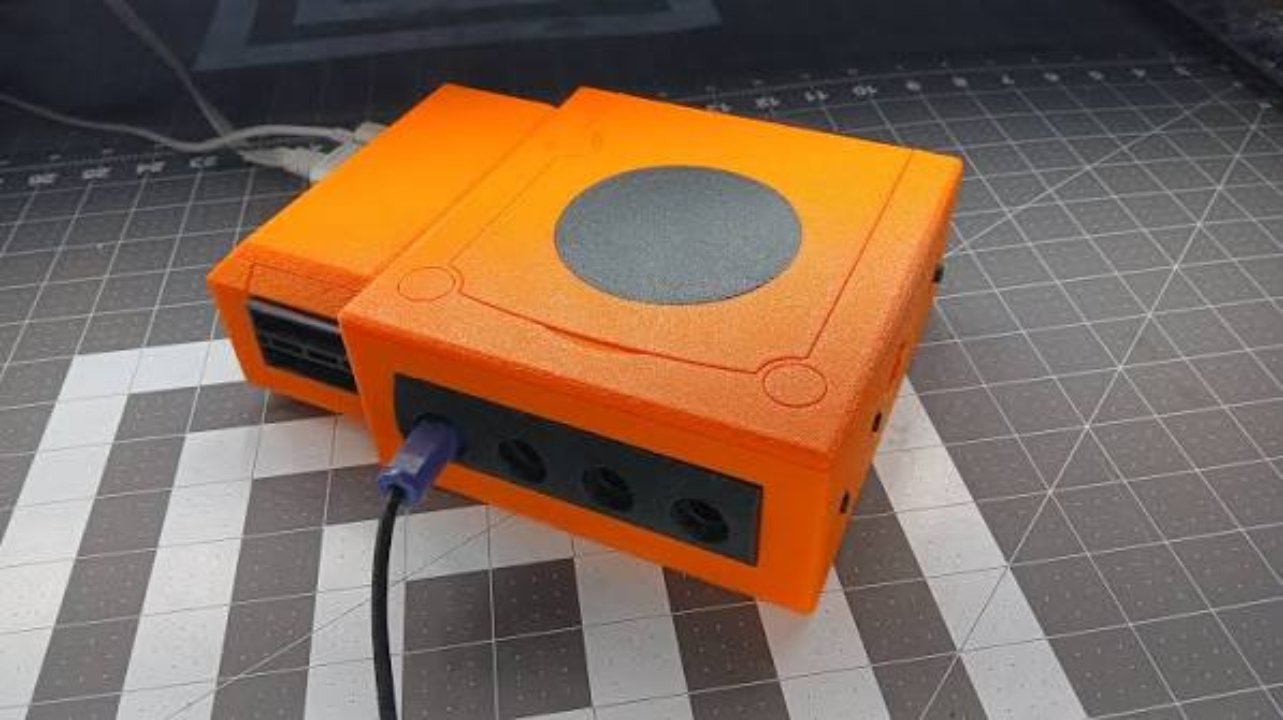
One of the biggest obstacles to using online services on the GameCube has been connecting the console to the internet. The original broadband adapter wasn't always affordable or accessible, but newer alternatives have made networking much easier. Some adapters connect through the memory card slot, while others use the console's bottom serial port.
One option from LaserBear costs around $25 and connects an Ethernet cable through the GameCube's bottom serial port. Used alongside a compatible loader such as Swiss, it provides an alternative to the original broadband adapter. The GameCube's port can theoretically support speeds of up to 100 Mbps, giving it considerable networking potential compared with the Wii's available connection methods.
Dolphin Depot brings homebrew projects together.
Dolphin Depot comes from WebHDX, a developer already involved in several GameCube hardware and software projects. Previous work includes PicoBoot and ETH2GameCube, both connected to expanding the console's homebrew capabilities. As networking solutions become more accessible, Dolphin Depot represents another step toward making community software easier to discover and manage.
The application is distributed as a .dol file that users place inside an apps folder on an SD card. Users can then launch it through Swiss, with compatible storage options including an SD2SP2 adapter or a GC Loader setup. The application also works with PicoBoot systems, giving users several ways to access the browser on their consoles.
The catalog includes games, emulators and useful tools.
Once launched, Dolphin Depot presents users with a collection of applications organized into sections such as recommended, most liked, recently updated, and staff picks. Although the catalog is still in its early stages, it already includes original games, emulators, utilities, and software ports. Its interface also allows users to browse available projects directly through their GameCube.
The catalog includes tools such as the 240p Test Suite, an FTP server and an HTTP server, alongside Swiss and other homebrew applications. These utilities offer practical uses beyond gaming, particularly for people working on development projects. Accessing network services without repeatedly disconnecting or restarting the console can also make certain tasks more convenient.
Several emulators are available through the browser, covering systems including the Nintendo 64, Game Boy Advance, Game Boy Color, Super Nintendo, PlayStation, NES, and Sega platforms. This gives users access to software for multiple older consoles through their GameCube setup. The selection also shows how Dolphin Depot can serve as a central place to discover different types of community-developed applications.
Game ports add more variety to the catalog.
Dolphin Depot also includes GameCube ports. One example is Raptor, a DOS game that users can prep via the browser. But the app doesn't include the game files. Players must supply their own required files, while Dolphin Depot helps organize the necessary folder structure.
The browser also makes downloading and installing smaller applications relatively straightforward. Once users select a project, they can download it and extract the files to the correct apps folder. This reduces the manual work of setting up Homebrew software and makes it easier for GameCube owners to experiment with different projects.
Extra utilities enhance the GameCube experience.
Beyond games and emulators, Dolphin Depot also includes utilities that simplify console management. CubaBoot, for instance, has a boot menu displaying games on an SD card. Its interface retains the general look and feel of the GameCube experience while letting users browse and launch installed titles.
Another useful addition is a memory card manager with exFAT compatibility. This lets users back up GameCube memory card data to an SD card and restore it when needed. This is especially useful for saving files, transferring data between storage devices, and creating backups without physical memory cards.
ClassiCube demonstrates the potential of online GameCube projects.
One of the more interesting projects available through Dolphin Depot is ClassiCube, a sandbox game inspired by the block building genre. The application requires additional files to download over the network before it can run. In testing, it ran consistently at about 58 to 59 frames per second, showing what developers can do with the console's networking capabilities.
ClassiCube also has online play, providing the project another reason to take advantage of improved internet connectivity. The browser's appearance on Dolphin Depot shows how it could give GameCube owners access to more experimental software and community projects. As networking becomes easier to establish, developers may find more opportunities to create applications that leverage these features.
Dolphin Depot may lead to further GameCube development.
Dolphin Depot has just been launched, and the catalog is still being expanded with more applications. But bringing a variety of projects together in one easily accessible place could be a big win for the homebrew community. Instead of searching disparate sources, users have a centralized place to find software, download applications, and track available updates.
The combination of accessible networking hardware and a centralized software browser could also encourage more developers to work on the GameCube. As tools, ports, and original projects become easier to distribute, the console may continue receiving community support well beyond its original lifespan. Dolphin Depot provides a useful foundation for that development, although its long-term impact will depend on how its catalog grows.
Editor, NoobFeed
Related News
No Data.